
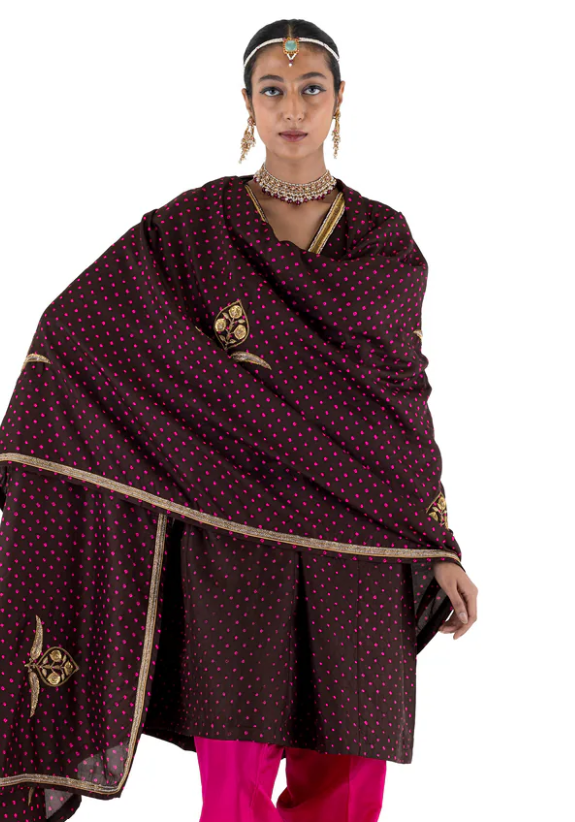
Indian fashion has always been deeply connected to craftsmanship, heritage, and storytelling. While trends change every season, certain clothing styles remain relevant because they carry cultural significance and exceptional artistry. Among these enduring wardrobe staples, handloom kurta sets stand out for their elegance, comfort, and connection to traditional weaving communities.
Today, more consumers are becoming conscious of what they wear and where it comes from. This shift has renewed interest in handcrafted textiles and authentic Indian weaves. Handloom garments represent more than fashion. They showcase centuries of weaving expertise, support artisan livelihoods, and celebrate India's rich textile heritage.
Understanding the Beauty of Handloom Textiles
Handloom fabrics are created on manually operated looms, where skilled artisans weave each thread with precision and care. Unlike mass-produced fabrics, handloom textiles often feature slight variations that highlight their handmade nature. These unique characteristics make every piece distinct.
The appeal of handloom clothing lies in its texture, breathability, and craftsmanship. Since the weaving process is not heavily mechanized, artisans have greater control over patterns, motifs, and fabric quality. The result is a garment that feels personal and authentic.
Across India, different regions contribute their own weaving traditions. From Bengal's fine cotton weaves to the intricate silks of Banaras and the rich textiles of South India, handloom fabrics reflect the diversity of Indian culture.
Why Handloom Kurta Sets Are Growing in Popularity
Modern consumers are increasingly looking for clothing that balances style with comfort. Handloom kurta sets achieve this balance effortlessly. Their lightweight construction, breathable fabrics, and timeless silhouettes make them suitable for various occasions.
Whether worn for work, festive celebrations, family gatherings, or casual outings, these outfits offer versatility that few garments can match. They can be styled with traditional accessories for a cultural look or paired with contemporary elements for a modern appearance.
Another reason for their popularity is sustainability. As awareness about fast fashion grows, many shoppers prefer garments that are crafted responsibly and designed to last. Handloom clothing often aligns with these values because it supports traditional production methods and emphasizes quality over quantity.
The Connection Between Handloom Kurta Sets and Indian Heritage
Every handloom garment tells a story of tradition, skill, and community. Many weaving techniques have been passed down through generations, preserving cultural knowledge that might otherwise disappear.
When people choose handloom kurta sets, they participate in a larger movement that supports artisan communities and keeps traditional crafts alive. The purchase becomes more than a fashion decision. It becomes a way of preserving cultural heritage.
Designers and textile brands have also played an important role in bringing handloom fabrics into contemporary wardrobes. By combining traditional weaving methods with modern cuts and styling, they have introduced these textiles to younger audiences without losing their authenticity.
How Handloom Sarees and Kurta Sets Complement Each Other
The growing interest in handloom fashion extends beyond kurtas. Many consumers who appreciate handcrafted clothing also explore handloom sarees online to build a wardrobe rooted in traditional artistry.
Both garments share common qualities such as craftsmanship, durability, and cultural significance. While sarees often serve as statement pieces for formal and festive occasions, kurta sets offer everyday elegance and practicality.
Together, they represent the versatility of Indian textiles. A wardrobe that includes both can seamlessly transition from professional settings to celebrations while maintaining a connection to traditional craftsmanship.
The Influence of Contemporary Indian Fashion Brands
Several Indian fashion labels have helped bring renewed attention to handloom textiles. Among them, Raw Mango has gained recognition for its thoughtful interpretation of traditional Indian fabrics and weaving techniques.
The brand is known for blending heritage craftsmanship with contemporary design sensibilities. Through its collections, Raw Mango has highlighted the artistic value of Indian textiles while introducing them to modern consumers seeking meaningful fashion choices.
Such brands have contributed to a broader appreciation of handwoven fabrics, encouraging consumers to look beyond trends and invest in garments with lasting cultural and aesthetic value.
Choosing the Right Handloom Kurta Set
Selecting a handloom kurta set involves more than choosing a color or pattern. Fabric type, weaving technique, comfort, and occasion all play important roles.
Cotton handloom kurtas are ideal for daily wear because of their breathability and lightweight feel. Silk-based options offer a more refined appearance suitable for festive events and celebrations. Blended fabrics can provide a balance between structure and comfort.
Paying attention to craftsmanship is equally important. Details such as weaving quality, finishing, and fit can significantly influence the overall experience of wearing the garment.
Consumers should also consider how easily the piece can be styled with existing wardrobe items. Neutral shades offer versatility, while vibrant colors and traditional motifs create stronger visual impact.
The Future of Handloom Fashion
The future of handloom fashion looks promising as consumers continue to prioritize authenticity, sustainability, and craftsmanship. Digital platforms have made handcrafted textiles more accessible than ever before, allowing shoppers from around the world to discover India's rich weaving traditions.
This growing visibility helps create new opportunities for artisans while increasing appreciation for handmade products. As fashion moves toward more responsible consumption, handloom garments are likely to remain an important part of the conversation.
Design innovation, artisan support programs, and growing consumer awareness will continue to shape the evolution of this sector. These factors ensure that traditional weaving techniques remain relevant in an increasingly modern fashion landscape.
Conclusion
Handloom kurta sets represent a unique blend of comfort, craftsmanship, and cultural heritage. Their enduring appeal comes from the skill of artisans who transform threads into garments that carry both beauty and meaning. Alongside the growing popularity of handloom sarees online, these outfits reflect a broader appreciation for India's textile traditions. Brands such as Raw Mango have further highlighted the value of handcrafted fabrics, helping modern audiences connect with timeless weaving practices. As interest sustainably and authentically grows, handloom garments will continue to hold an important place in wardrobes while preserving the rich legacy of Indian craftsmanship.
 English
Join our community to interact with posts!