
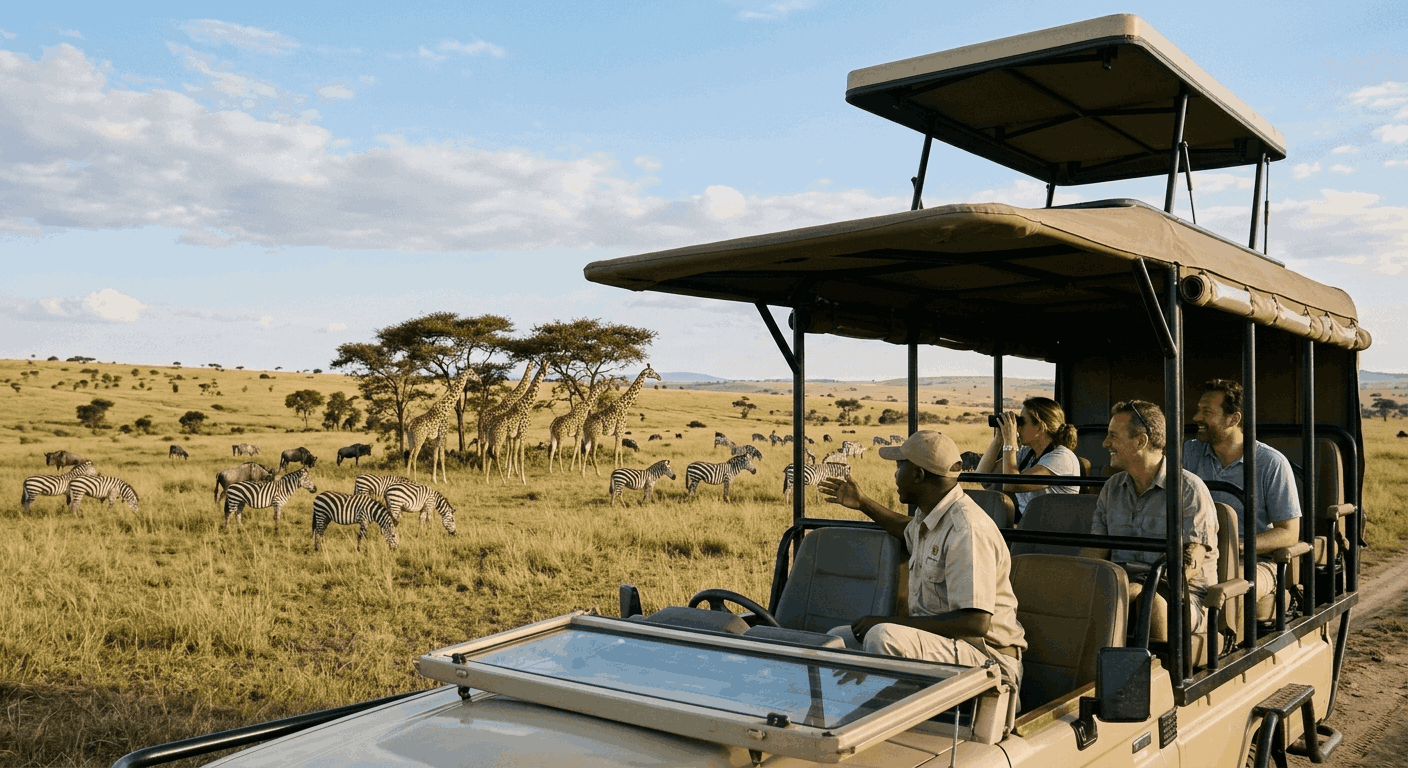
The Serengeti National Park stands as the crown jewel of African wilderness, a vast expanse of golden savannah that has captivated travelers for generations. Embarking on a Serengeti safari is more than a simple vacation; it is a profound immersion into the rhythms of the natural world, where ancient cycles of life, death, and migration play out daily under the vast East African sky. As you prepare for this journey, you are stepping into a landscape that defined the very concept of the safari, offering an unrivaled density of wildlife and the iconic backdrop of the Great Migration. Whether you are a first-time visitor dreaming of the Big Five or a seasoned photographer seeking the perfect light, the Serengeti promises a transformative experience that resonates long after you leave the plains.
Planning your expedition requires a thoughtful approach to timing, geography, and expectations. Because the park covers nearly fifteen thousand square kilometers, understanding where to go and when to visit is the key to unlocking the best sightings. The Serengeti is not merely a static destination but a dynamic ecosystem that shifts with the rains and the seasons. By aligning your travel dates with the movement of the wildlife, you can ensure that every day spent in the bush brings you closer to the heart of Africa. As you delve into the planning process, remember that the goal is not just to see animals, but to witness the raw, unfiltered majesty of a world that has remained largely unchanged for millennia.
Navigating the Best Seasons for Your Serengeti Wildlife Adventure
Choosing the right time for your Tanzania Safari depends heavily on what you hope to witness, as the park offers distinct experiences throughout the year. The dry season, typically spanning from June to October, is widely considered the peak window for game viewing. During these months, the vegetation thins out, and the animals congregate around permanent water sources, making them significantly easier to spot. This period also coincides with the dramatic river crossings of the Great Migration, where thousands of wildebeest and zebra traverse the treacherous Mara River. If your dream is to see the sheer power of the migration and the predator action that follows, these months offer the most reliable and spectacular opportunities.
Conversely, the wet season, which includes the short rains in November and December and the long rains from March to May, presents a completely different and equally rewarding perspective. The landscape transforms into a vibrant, emerald paradise, and the arrival of newborn animals during the calving season in January and February brings a tender vitality to the plains. Visiting during these quieter months allows you to explore the park with fewer crowds, often at more accessible price points. While the terrain may be greener and the wildlife slightly more dispersed, the photographic potential of the lush surroundings and the intimacy of the sightings can make for a deeply rewarding, less hurried experience.
Unlocking the Secrets of the Great Migration and Resident Game
The Great Migration is frequently the primary motivation for a trip to the Serengeti, but it is essential to remember that the park holds incredible value even outside of these mass movements. The migration is a continuous loop of movement, driven by the search for grazing and water, and observing the herds is a lesson in resilience and instinct. To maximize your chances of seeing the migration, you must consult with experts who understand the current trajectory of the herds, as the exact timing of their movement can shift annually based on rainfall patterns. Being in the right region, whether it be the southern plains for calving or the northern riverbanks for crossings, is crucial for a successful encounter.
Beyond the migration, the Serengeti boasts a rich population of resident wildlife that thrives throughout the year. Predators such as lions, leopards, and cheetahs are territorial and remain in their established ranges regardless of the migration. You can expect consistent, high-quality sightings of these majestic cats, along with elephants, giraffes, buffalo, and an astonishing variety of bird species. The kopjes, which are distinctive granite rock formations, serve as lookout points for lions and leopards, providing a reliable venue for sightings. By focusing on the resident game, you can enjoy a profound safari experience regardless of whether the massive herds are currently in your immediate vicinity.
Choosing the Perfect Accommodations for Your Unique Safari Style
Your choice of accommodation will play a significant role in defining the character of your Serengeti safari. The options range from opulent permanent lodges that offer every modern convenience to intimate, mobile tented camps that move alongside the migration. Permanent lodges often provide a sense of stability and luxury, featuring amenities like swimming pools, spas, and gourmet dining, which can be a welcome comfort after a long, dusty day in the field. These properties are perfect for travelers who appreciate architectural beauty and a high level of service, allowing you to retreat into comfort while remaining connected to the wild surroundings.
For those who crave a more authentic, back-to-nature experience, mobile tented camps offer an unparalleled connection to the bush. These camps are designed to minimize their environmental footprint while providing an immersive experience where the sounds of the night—the distant roar of a lion or the rustle of hyenas—are audible from your canvas suite. Staying in a mobile camp often positions you closer to the daily wildlife movements, effectively placing you in the heart of the action. Whether you select a sophisticated lodge or a rustic tented camp, ensure your base of operations aligns with your personal comfort levels and the specific regions you wish to explore during your stay.
Essential Preparation and Practical Tips for a Seamless Expedition
A successful Serengeti safari is built on a foundation of careful preparation. Before you arrive, verify all entry requirements, including visas and necessary vaccinations, and consult with your medical provider about malaria prophylaxis. Pack clothing that is comfortable, durable, and neutral in color to blend into the natural environment. Layers are key, as the temperatures can fluctuate significantly from the crisp, cool early mornings to the warm, sunny afternoons. Do not forget to bring high-quality binoculars and a reliable camera with a zoom lens, as these tools will dramatically enhance your ability to observe and document the wildlife encounters that make this region famous.
Logistics also play a vital role in the flow of your journey. Many travelers choose to fly into regional airstrips to maximize their time in the park, as this avoids the long, bumpy road transfers that can be exhausting. Once in the Serengeti, the quality of your guide will be the single most important factor in the success of your safari. A knowledgeable guide is not just a driver; they are a tracker, an educator, and a storyteller who can help you interpret the subtle signs of the wild. Take the time to communicate your interests to your tour operator or guide, whether you are particularly interested in photography, birdwatching, or learning about the local Maasai culture, as this ensures your itinerary is tailored to your unique passions.
Conclusion and Your Path to the African Wilderness
The Serengeti is not merely a destination; it is a profound testament to the wild heart of our planet. From the vast, undulating plains that stretch toward the horizon to the intimate encounters with some of the world's most iconic wildlife, every moment spent in this park is a privilege. By thoughtfully planning your travel dates, choosing the right accommodations, and embracing the expertise of your guides, you can create a truly unforgettable journey that reflects the wonder of the African bush. This is a place that challenges, inspires, and ultimately changes all who visit, leaving an indelible mark on your soul. If you are ready to witness the untamed beauty of the Serengeti for yourself, begin your planning process now and start looking forward to the adventure of a lifetime. Contact a reputable safari specialist today to design an itinerary that brings your dream of the Serengeti to life.
 English
Join our community to interact with posts!