
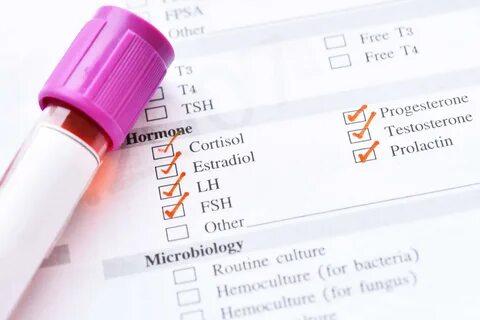
When your healthcare provider recommends a cortisol blood test, you may wonder what the procedure involves, why it is necessary, and how the results can impact your health. Understanding the complete testing process can help you feel more prepared and confident before your appointment.
A Cortisol Blood Test Dubai is a laboratory examination that measures the amount of cortisol circulating in your bloodstream. Cortisol is a hormone produced by the adrenal glands and is essential for regulating metabolism, maintaining blood pressure, controlling inflammation, supporting the immune system, and helping the body respond to physical and emotional stress. Because cortisol affects multiple organs and body systems, testing its levels can provide valuable information about adrenal function and overall hormonal health.
This guide explains every stage of the cortisol blood testing process, from the initial recommendation to interpreting your results and discussing the next steps with your healthcare provider.
Understanding Why the Test Is Ordered:
The testing process begins when a healthcare provider identifies symptoms or medical conditions that may be linked to abnormal cortisol production. Since cortisol influences many bodily functions, both elevated and reduced levels can produce a wide variety of symptoms.
A cortisol blood test is commonly recommended for people experiencing:
-
Persistent fatigue
-
Unexplained weight gain or weight loss
-
High or low blood pressure
-
Muscle weakness
-
Frequent infections
-
Mood changes
-
Difficulty sleeping
-
Chronic stress symptoms
-
Skin thinning or easy bruising
-
Darkening of the skin
Doctors may also request the test to monitor adrenal disorders, evaluate pituitary gland function, or assess patients receiving long-term corticosteroid therapy.
Scheduling the Blood Test:
Unlike many routine blood tests, cortisol testing often requires careful scheduling because cortisol levels naturally fluctuate throughout the day.
Under normal circumstances, cortisol reaches its highest level during the early morning hours and gradually declines throughout the afternoon and evening. To obtain the most accurate results, healthcare providers frequently schedule the blood draw between 7:00 AM and 9:00 AM.
In certain situations, your doctor may request multiple blood samples collected at different times of the day to evaluate your body's natural cortisol rhythm.
Preparing Before Your Appointment:
Proper preparation improves the accuracy of cortisol testing. Your healthcare provider will explain any specific instructions based on your medical history and current medications.
Preparation may include:
Reviewing Current Medications:
Certain medications, including corticosteroids, hormone replacement therapy, birth control pills, and some anti-seizure medications, can influence cortisol levels. Always inform your healthcare provider about prescription drugs, supplements, and over-the-counter medicines.
Managing Physical Activity:
Strenuous exercise shortly before testing may temporarily increase cortisol production. Light daily activities are generally acceptable unless instructed otherwise.
Following Dietary Instructions:
Some patients may be asked to fast before the blood draw, while others can eat normally. Always follow your healthcare provider's recommendations.
Minimizing Stress:
Because emotional stress can temporarily elevate cortisol levels, arriving early and remaining relaxed before the procedure may help produce more reliable results.
What Happens During the Blood Collection?
The blood collection process is simple and usually takes less than ten minutes.
After confirming your identity, a healthcare professional will ask you to sit comfortably. A tourniquet is placed around your upper arm to make the vein easier to locate. The skin is cleaned with an antiseptic solution before a sterile needle is inserted into a vein, usually inside the elbow.
A small blood sample is collected into a laboratory tube. Once the sample has been obtained, the needle is removed, gentle pressure is applied, and a small adhesive bandage is placed over the puncture site.
Most patients describe the sensation as a brief pinch that lasts only a few seconds.
What Happens to the Blood Sample?
After collection, the blood sample is carefully labeled and transported to a medical laboratory for analysis.
Laboratory specialists measure cortisol concentration using specialized testing equipment designed to detect even small hormonal variations. Depending on the clinical situation, additional hormone tests such as ACTH measurement may be performed to provide a more complete assessment of adrenal gland function.
Receiving Your Results:
The turnaround time varies among laboratories, but most cortisol blood test results become available within one to three business days.
Your healthcare provider reviews the results alongside your symptoms, physical examination, medical history, and any additional diagnostic tests before reaching a conclusion.
Because cortisol levels naturally change throughout the day, timing plays an important role when interpreting laboratory values.
Understanding What the Results Mean:
A cortisol blood test does not diagnose every condition by itself. Instead, it provides important information that helps healthcare providers identify possible hormonal disorders.
Elevated Cortisol Levels:
Higher-than-normal cortisol levels may be associated with:
-
Cushing syndrome
-
Chronic psychological stress
-
Adrenal gland tumors
-
Pituitary gland disorders
-
Severe illness
-
Pregnancy
-
Certain medications
Persistent elevation often requires additional testing to determine the exact cause.
Reduced Cortisol Levels:
Low cortisol levels may indicate:
-
Addison's disease
-
Primary adrenal insufficiency
-
Pituitary hormone deficiency
-
Autoimmune adrenal disorders
-
Long-term steroid withdrawal
Prompt diagnosis is important because untreated adrenal insufficiency can become a medical emergency.
Conditions Commonly Investigated Through Cortisol Testing:
A cortisol blood test helps healthcare providers investigate several endocrine disorders.
Cushing Syndrome:
This condition develops when the body produces excessive cortisol over an extended period. Common symptoms include abdominal weight gain, facial rounding, muscle weakness, high blood pressure, and elevated blood sugar.
Addison's Disease:
In Addison's disease, the adrenal glands produce insufficient cortisol. Patients often experience fatigue, weight loss, low blood pressure, dizziness, salt cravings, and skin pigmentation changes.
Adrenal Tumors:
Both benign and malignant adrenal growths may alter cortisol production, requiring further imaging studies and hormone evaluation.
Pituitary Disorders:
Because the pituitary gland controls cortisol production through adrenocorticotropic hormone (ACTH), abnormalities within the pituitary may directly affect cortisol levels.
Additional Tests That May Follow:
Depending on your cortisol blood test results, your healthcare provider may recommend further evaluation.
These tests may include:
-
ACTH blood test
-
Salivary cortisol test
-
Twenty-four-hour urine cortisol test
-
Dexamethasone suppression test
-
CT scan of the adrenal glands
-
MRI of the pituitary gland
These investigations help determine the precise cause of abnormal hormone production.
Practical Tips for a Smooth Testing Experience:
Many first-time patients feel anxious before laboratory testing. Fortunately, a few simple steps can make the experience easier.
Helpful recommendations include:
-
Wear loose-fitting clothing with sleeves that can be rolled up easily.
-
Drink adequate water unless fasting is required.
-
Arrive several minutes before your appointment.
-
Inform the technician if you have a history of fainting during blood draws.
-
Follow all medication instructions provided by your healthcare provider.
-
Remain seated for a few minutes after the blood draw if you feel lightheaded.
Frequently Asked Questions:
Is a cortisol blood test painful?
The procedure is similar to any routine blood test. Most patients experience only brief, mild discomfort when the needle is inserted.
Can stress affect the results?
Yes. Physical illness, emotional stress, lack of sleep, and vigorous exercise may temporarily increase cortisol levels, which is why proper preparation is important.
Will one blood test provide a diagnosis?
Not always. Your healthcare provider may combine cortisol testing with additional hormone tests, imaging studies, and a physical examination to reach an accurate diagnosis.
Are there any risks?
The test carries very little risk. Mild bruising or temporary soreness at the needle site is the most common side effect and usually resolves quickly.
Final Thoughts:
A cortisol blood Lab tests is a reliable and informative diagnostic tool that provides valuable insight into adrenal gland function and hormone balance. Understanding each stage of the testing process—from scheduling and preparation to blood collection, laboratory analysis, and result interpretation—can help patients approach the procedure with confidence.
Whether your healthcare provider is evaluating unexplained fatigue, blood pressure changes, weight fluctuations, or suspected adrenal disorders, this simple laboratory test plays a critical role in identifying the underlying cause. By following preparation instructions and discussing your results with your healthcare provider, you can take an informed step toward better hormonal health and more effective medical care.
 English
Join our community to interact with posts!