
Most streetwear brands have a shelf life measured in months, not years. You buy the hoodie, wear it through one season, and by the time the weather shifts again it already feels like something from a different chapter. Mixed Emotions, Amiri, and Chrome Hearts don't operate that way, and that's not an accident or a marketing line it's the direct result of design decisions made at the construction level before a single piece ever reaches the shelf. Each brand carries a distinct visual identity that doesn't depend on whatever silhouette or graphic treatment went viral last week, and that independence from trend cycles is what makes them worth serious attention if you're trying to build something that lasts rather than something that photographs well once and then fades quietly into the back of the closet.
The Difference Between Buying a Brand Name and Buying Into a Design Identity
There's a version of streetwear buying that's really just logo collection, and there's a version that's actually about the garment what it's made of, how it fits across different body types, and whether the design holds meaning beyond the name on the tag. The best pieces from premium labels fall firmly into the second category, and the brands that have maintained genuine staying power in the market are the ones whose pieces communicate something specific even when the branding is stripped away. A Chrome Hearts flannel reads as Chrome Hearts because of the gothic cross motif pressed into the sleeve and the particular weight of the brushed cotton not just because of the tag. An Amiri jacket communicates a specific rock-and-roll LA attitude through its distressing, its leather panel placement, and the way the shoulders sit, not only through the name embroidered on the chest. Mixed Emotion works similarly, using rhinestone placement patterns, color family choices, and character-based design names that give each piece a personality the wearer participates in rather than just carries around. This is the actual value proposition of spending more on a garment not status, but specificity. And that specificity is what makes these pieces feel right across multiple years of wearing rather than only feeling right in the week they arrived.
How Mixed Emotions Turned Emotional Design Into a Wearable Language That Actually Communicates
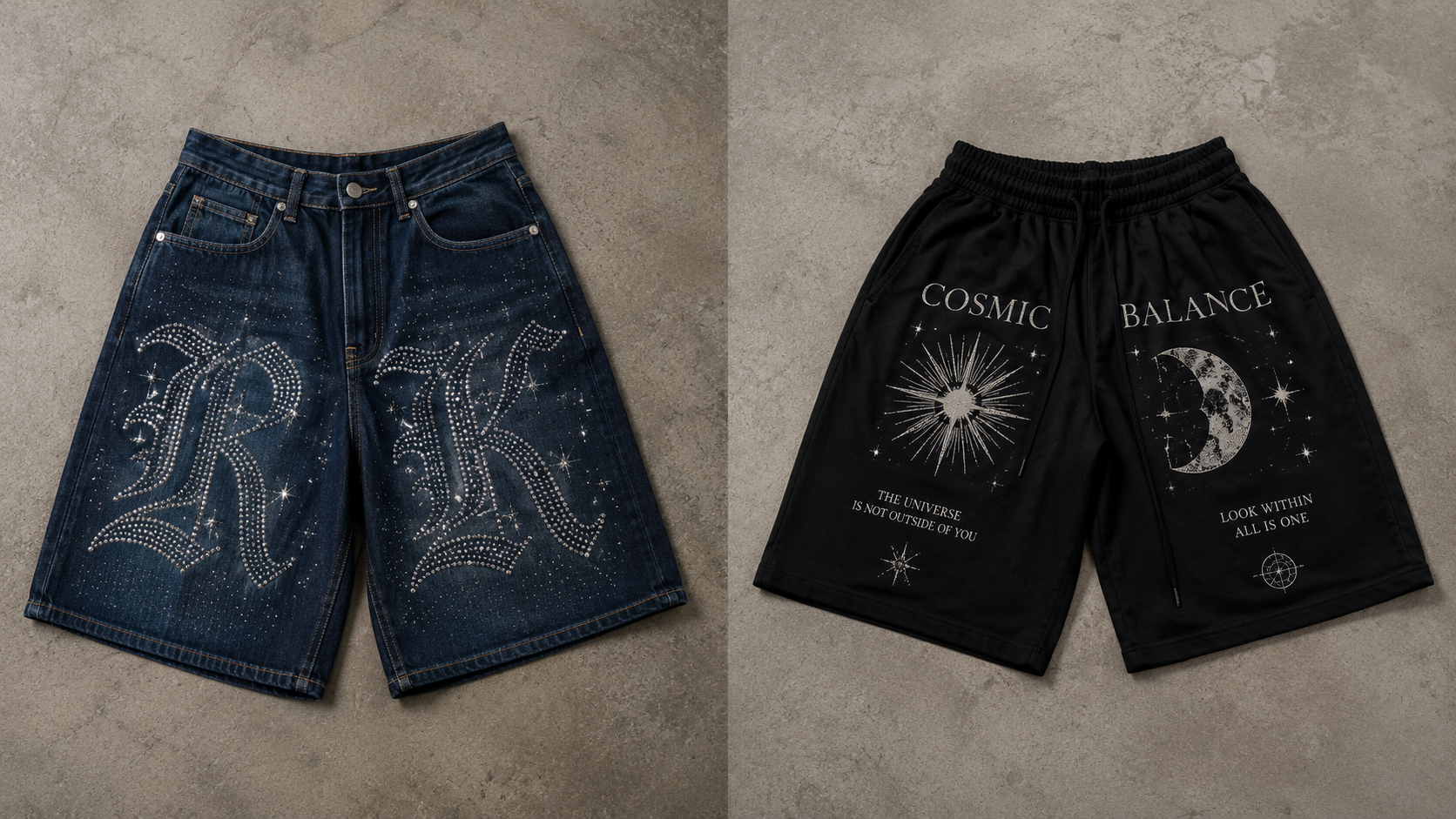
Mixed Emotion built something unusual in the streetwear market: a design system where each piece corresponds to a specific emotional character Angel, Astronaut, Goblin, Ranger and those character names aren't just cute labels slapped on for marketing purposes. They actively shape the design choices on each garment, from the rhinestone pattern shape to the color palette to the fit silhouette, so two pieces from different character families genuinely look like they belong to different moods rather than just different colorways of the same template. The rhinestone application on the graphic pieces uses heat-press bonding that sits deeper in the fabric structure than adhesive crystal work, which is why you can wash a Mixed Emotion tee repeatedly without watching the design progressively disappear something that distinguishes it immediately from cheaper rhinestone applications that start flaking within five or six washes. The denim line is equally considered, available across four distinct wash treatments that were developed to coordinate with the brand's color families rather than just offering the standard light-medium-dark spread you find almost everywhere else. For a label positioned in the premium-accessible tier, the mixed emotions brand site gives you a clear picture of how the character system works across categories, and seeing the full range together makes the internal design logic much easier to follow than looking at individual pieces in isolation. I'd personally start with the heavyweight tees before moving to the denim, because the fabric quality communicates itself most directly in the T-shirt format where there's nothing else in the construction to distract from it.
The Amiri Blueprint Rock Legacy, Los Angeles Streets, and Why the Combination Actually Works
Amiri's design vocabulary pulls from two sources that don't usually collaborate: the visual language of 1970s and 1980s rock tour jackets, destroyed denim, hardware-heavy boots and the clean, sun-bleached aesthetic of Los Angeles street life. The brand manages to combine those two influences without the result feeling like a costume or a nostalgia piece, which is genuinely difficult to pull off and partly explains why the label has maintained relevance across multiple fashion cycles since its founding. Understanding Amiri means understanding its four primary design pillars, because knowing which pillar a piece comes from tells you how to wear it: 1. Sneakers and footwear the MA-1 silhouette in particular, built on a platform sole with leather uppers and available in tenis amiri hombre colorways including bandana denim prints and distressed bone/off-white treatments that reference the brand's textile work. 2. Denim using twill weave construction and hand-applied distressing at specific structural points rather than machine-automated damage, which is why Amiri denim's knee repairs and patch details sit cleanly rather than looking like they arrived pre-damaged in a way that feels accidental. 3. Graphic Tees and Playeras the entry point for most buyers, carrying the brand's skull, eagle, and stacked-logo print treatments on cotton that sits above the weight standard for most labels at this price tier. 4. Outerwear and Leather Pieces where Amiri pushes hardest into luxury territory, with varsity construction and hand-stitched chenille patches that carry the rock heritage most directly. Each pillar informs the others, which is why mixing Amiri pieces within a single outfit usually works better than mixing them with brands that don't share any part of that visual language.
Chrome Hearts and the Craft Tradition That Predates the Modern Streetwear Industry
Chrome Hearts was making sterling silver gothic cross jewelry and custom leather goods in Los Angeles in 1988 which means the brand existed with a fully formed identity before streetwear as we currently understand it had even established its own vocabulary. Richard Stark built the brand around fine craft skills first: lost-wax silver casting, hand-tooled leather, custom hardware and the clothing line that followed decades later carries that material obsession directly into fabric form. The flannel shirts use a double-brushed cotton finish rather than single-sided brushing, which produces a texture that feels substantially warmer and denser than the single-brushed flannels available at most other price points and holds its nap quality across repeated washing far better. The gothic cross motif that runs through Chrome Hearts' jewelry translates directly into the cross-print flannel fabrics, the embroidered sleeve logos, and the hardware used on bags and leather accessories creating a visual consistency across categories that makes the brand immediately identifiable without requiring prominent logo placement on every surface. This cross-category consistency is something I think Chrome Hearts does better than almost any other premium label that started in craft and expanded into ready-to-wear, because most brands lose coherence when they stretch beyond their founding category. Chrome Hearts held the thread, and it shows in how the pieces wear together. The sterling silver jewelry carries a 925 hallmark and is cast at genuine gauge thickness rather than the hollow-shell construction common in silver pieces at lower price points the weight difference is perceptible in your hand the moment you pick it up.
Reading the Room When Each Brand Works Best and Where Each One Belongs in Your Week
Knowing how to wear a brand means knowing where it fits in the actual texture of your days, not just how it looks in a studio photo. Here's an honest breakdown of the contexts where each of these three labels performs best:
-
Mixed Emotion for daily wear and creative environments the character-based design system makes the pieces feel intentional in casual settings, coffee shops, studio sessions, or any context where you want your clothing to communicate personality without formal weight. The rhinestone tees in particular read well in evening settings where the light catches the crystal detailing without the piece tipping into costume territory.
-
Amiri for nights out and environments where the rock-luxury signal works in your favor gallery openings, live music, late dinners in cities where fashion is observed rather than ignored. The tenis Amiri hombre sneakers carry enough visual weight to anchor a full outfit without the rest of the clothing needing to compensate.
-
Chrome Heart shirt pieces for layering and transitional weather the flannel shirts and heavyweight button-downs work best as open outer layers over a plain tee, where the gothic cross motif and fabric weight do the work without the outfit needing anything else.
-
Any combination of all three when the occasion calls for considered dressing a structured outfit built across all three brands works in contexts where fashion literacy is assumed in the room.
-
None of the three for situations where clothing needs to be entirely invisible premium streetwear has a presence, and there are settings where that presence works against you rather than for you. Recognizing those situations is part of wearing the brands well.
Why These Three Labels Don't Fade Out of Style the Way Most Streetwear Does After Eighteen Months
Trend-dependent streetwear operates on a very specific cycle: a silhouette or graphic treatment gets visibility through social media, brands rush similar versions to market within three to six months, the original signal gets diluted by imitation, and the piece that felt fresh six months ago now feels generic because it's everywhere in a cheaper form. Mixed Emotion, Amiri, and Chrome Hearts resist that cycle for different reasons that are each worth understanding. Mixed Emotion's resistance comes from the character-based design language you can't effectively imitate the Angel or Astronaut pieces without copying the entire emotional system the brand built, which requires more investment than most fast-fashion competitors are willing to make for a single aesthetic borrowed from someone else. Amiri's resistance comes from the construction specificity the twill denim, the leather paneling, the hand-applied distressing which is expensive and time-consuming to replicate and simply doesn't land the same way when executed at lower cost. Chrome Hearts' resistance is the most structural of the three: the brand has never licensed its aesthetic, rarely does collaborations outside of highly curated partnerships, and controls its distribution tightly enough that the visual language hasn't been diluted by overexposure. The practical result is that all three labels still look like themselves several years after you buy a piece, which means the cost-per-wear calculation starts looking very different from how it appears at the moment of purchase.
What Nobody Actually Tells You About Buying Premium Streetwear for the First Time
The information gap around premium streetwear purchases is real and nobody in the industry has much incentive to close it, because confusion at the point of purchase often pushes buyers toward spending more than they need to in order to feel secure in their decision. So here's the honest picture. First: the first piece you buy from any premium label will probably not be your best purchase from that label, because you don't yet know how the brand fits your specific body and how its aesthetic integrates with what you already own. That's normal, and it's a reason to start with something at the lower end of the brand's price range rather than the highest a tee rather than a jacket, a tenis rather than a full leather piece. Second: sizing varies in ways that aren't fully captured by standard size charts, and Amiri in particular runs narrow in the toe box on most sneaker silhouettes, so reading the fit notes on each specific product page saves you the hassle of an exchange. Third: the honest limitation of investing in these brands is simply budget timing none of these labels reward impulse buying, and buying one right piece at the right moment is consistently better than buying three pieces that almost work together. The wardrobe built slowly with intention consistently outlasts the one assembled quickly through hype.
Final Words
Mixed Emotion, Amiri, and Chrome Hearts each arrived at their current position through different paths mood-driven accessible streetwear, LA rock luxury, gothic craft tradition but the thing they share is a refusal to let trend cycles define what they make. That independence is exactly what makes them worth building around if you're trying to put together a wardrobe that reflects something real about how you see yourself rather than just tracking what's been visible online recently. The construction quality across all three brands rewards the kind of sustained, attentive wearing that makes a good piece feel increasingly personal over time rather than progressively tired. Buy fewer pieces, buy them with intention, and wear them often enough to find out what they actually are.
FAQs
Q1: Is Mixed Emotion a good first premium streetwear brand for someone who hasn't bought at this price point before? Yes, and specifically because the brand sits in a price range that's genuinely premium without requiring the full luxury budget that Amiri and Chrome Hearts sometimes demand. The heavyweight tees give you an immediate, tactile sense of what construction quality actually feels like compared to fast fashion, which makes every subsequent purchase decision clearer.
Q2: Do tenis Amiri hombre sneakers work with non-Amiri clothing, or do they look out of place? They work across a wide range of clothing combinations precisely because the MA-1 silhouette is clean enough at the toe and collar to pair with minimal streetwear, wide-leg denim, or even tailored trousers worn casually. The bandana denim colorways are the most brand-specific and work best in full Amiri looks, while the bone and off-white versions integrate much more broadly.
Q3: How do you tell genuine Chrome Hearts pieces from counterfeits? The 925 sterling silver stamp on jewelry pieces is the most immediate indicator, but the weight is what settles it genuine Chrome Hearts hardware has a density that counterfeits consistently fail to replicate because they use hollow casting. On clothing, the double-brushed flannel texture and the precision of the cross motif embroidery are harder to fake at scale.
Q4: Can a Mixed Emotion rhinestone piece be dry-cleaned instead of machine washed? Cold-cycle machine washing inside-out on a gentle setting is actually the recommended approach and causes less stress on the rhinestone heat-press bonding than dry-cleaning solvents, which can degrade the adhesion over time. Air drying flat is safer than tumble drying regardless of the temperature setting.
 English
Join our community to interact with posts!