
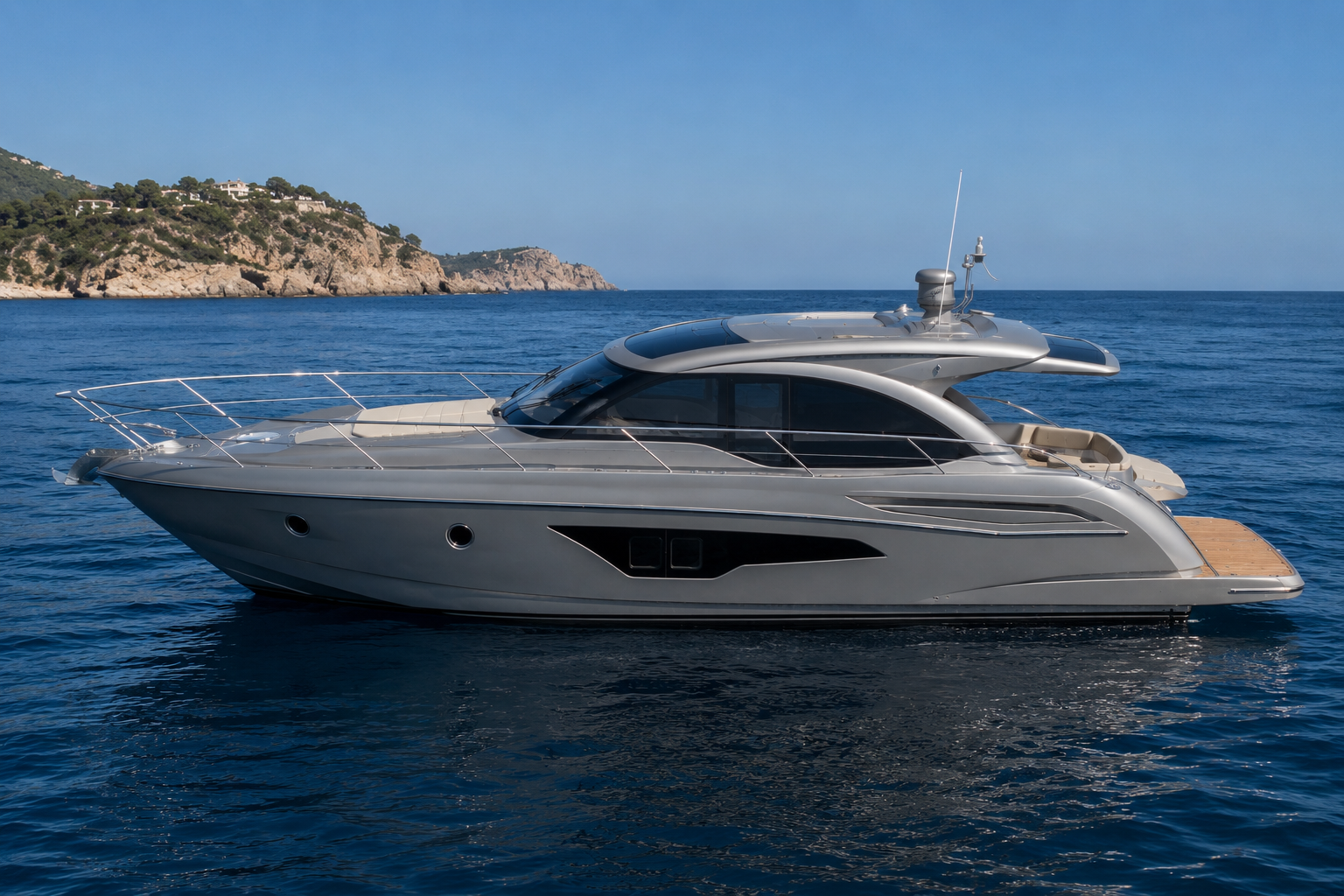
Owning a boat or yacht is an exciting investment, but proper registration is one of the most important responsibilities every owner must complete. Whether you use your vessel for private cruising, family holidays, or commercial operations, registering it under the right flag can improve legal protection, simplify international travel, and make ownership easier to manage.
Many boat owners focus only on purchasing their vessel and overlook the importance of selecting the right registration system. However, the flag your vessel flies affects documentation, compliance requirements, insurance, and even future resale opportunities.
What Is Boat Registration?
Boat registration is the legal process of recording a vessel under the authority of a country's maritime administration. Once registered, the boat receives official documentation that confirms ownership and allows it to operate legally under that nation's flag.
Each registry has its own eligibility requirements, documentation standards, and benefits. Choosing the right option depends on your nationality, the type of vessel you own, and whether it is used for private or commercial purposes.
Why Registration Is More Than a Legal Requirement
Many people believe registration is simply paperwork. In reality, it provides several practical advantages that every boat owner should consider.
A properly registered vessel helps establish clear ownership, supports insurance applications, and reduces complications when visiting foreign ports. It also creates confidence for buyers if you decide to sell the yacht in the future.
For commercial operators, correct registration demonstrates compliance with maritime regulations and improves credibility with clients and authorities.
Factors to Consider Before Selecting a Registry
No single registry is perfect for every owner. Before making a decision, it is important to evaluate several key factors.
International Recognition
A registry that is widely accepted by ports, marinas, and maritime authorities makes international cruising much smoother. Well-recognized registrations often simplify inspections and administrative procedures.
Documentation Requirements
Some registration systems require extensive documentation, while others offer a more streamlined application process. Understanding these requirements in advance can save valuable time.
Private or Commercial Use
The intended use of your vessel should influence your registration choice. Certain registries are ideal for recreational boating, while others provide better solutions for charter businesses and commercial operations.
Long-Term Ownership
Boat registration should also support future ownership changes. A registry that maintains clear ownership records can simplify transfers and improve resale value.
Common Mistakes Boat Owners Make
Many first-time owners experience delays because they underestimate the importance of preparing accurate documentation.
Some of the most common mistakes include:
-
Submitting incomplete paperwork.
-
Choosing a registry without understanding eligibility rules.
-
Ignoring radio licensing requirements.
-
Delaying compliance updates after registration.
-
Failing to keep ownership records current.
Avoiding these issues can save both time and unnecessary expenses.
The Importance of Professional Guidance
Maritime regulations differ from country to country and often change over time. Working with experienced registration specialists helps reduce errors and ensures every document is prepared correctly before submission.
Professional support also makes the process easier for international clients who may not be familiar with local maritime requirements or administrative procedures.
Instead of managing complex paperwork alone, many owners choose expert assistance to complete the registration efficiently from start to finish.
Registration Is Only the Beginning
After registration, vessel owners may also need additional services depending on where and how they operate.
These services may include:
-
Tonnage certification.
-
CE compliance support.
-
Ownership transfer assistance.
-
Company formation for eligible registrations.
-
Annual compliance services where required.
Planning these requirements early helps prevent delays later.
Benefits of Proper Boat Documentation
Keeping your vessel documentation accurate and up to date offers several long-term advantages.
Owners often benefit from:
-
Faster approval during inspections.
-
Improved international recognition.
-
Better protection of ownership rights.
-
Easier insurance processing.
-
Higher buyer confidence during resale.
-
Reduced administrative complications.
Good documentation creates confidence for both owners and maritime authorities.
Final Thoughts
Choosing the right boat registration is an important decision that can affect your vessel for many years. Every owner has different requirements, and selecting the most suitable registry depends on factors such as nationality, vessel type, intended use, and future plans.
Taking time to understand the available options and ensuring that every document is prepared correctly can make boat ownership much simpler. With the right approach, owners can enjoy smoother international cruising, stronger legal protection, and greater peace of mind while focusing on what truly matters—spending more time on the water.
 English
Join our community to interact with posts!