
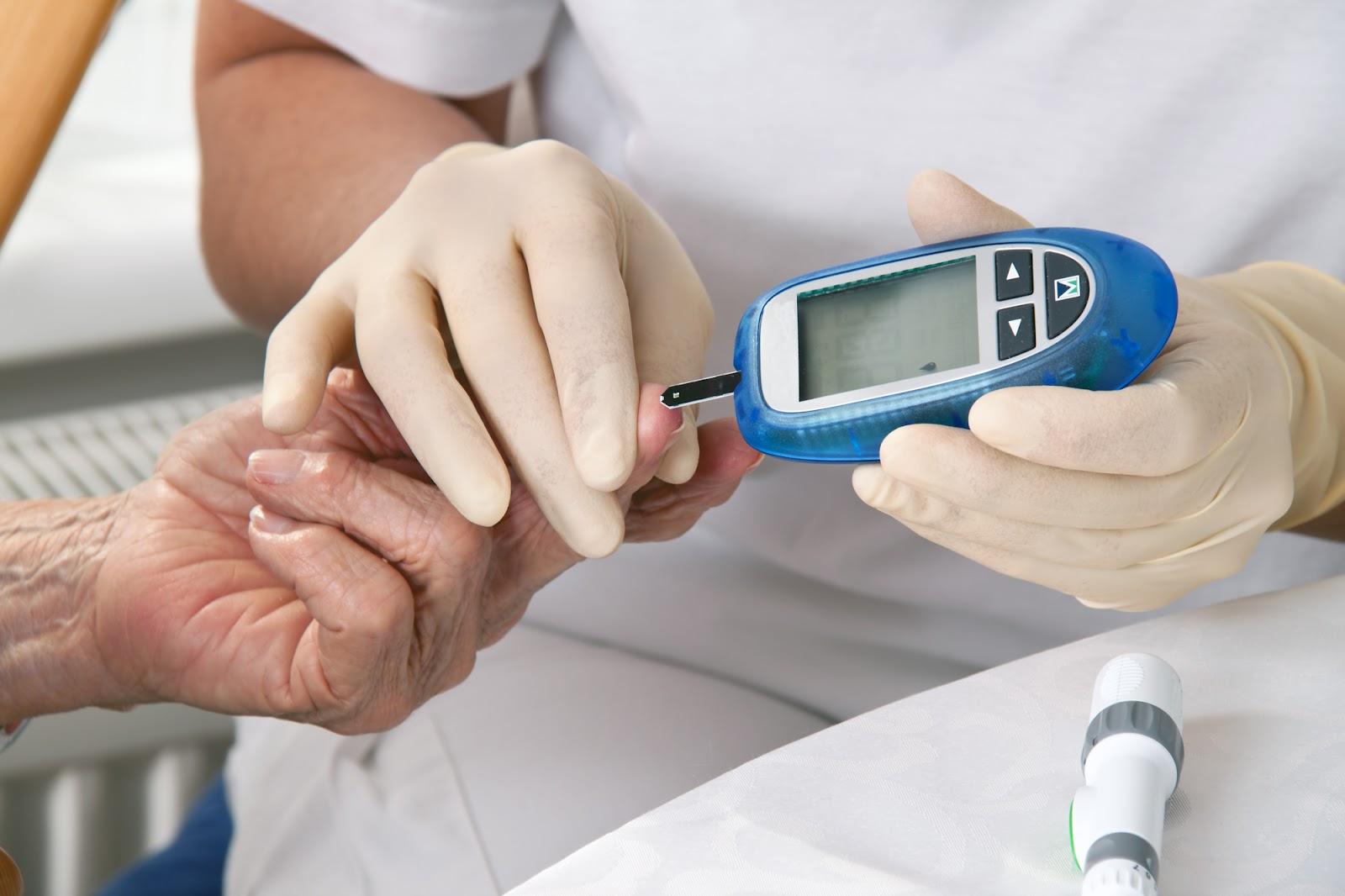
A blood sugar test is more than a routine medical check. It is one of the most useful tools for understanding how your body processes glucose and for identifying whether symptoms may be linked to high blood sugar. When glucose remains elevated for long periods, it can affect energy levels, hydration, vision, nerves, and overall health.
This article explains what a Blood Sugar Test Dubai measures, the symptoms commonly associated with high blood sugar, and when it is important to seek medical advice.
Understanding Blood Sugar and Why It Matters:
Blood sugar, also called blood glucose, refers to the amount of glucose circulating in your bloodstream. Glucose is the body’s main source of energy and comes primarily from the foods you eat, especially carbohydrates.
The hormone insulin, produced by the pancreas, helps move glucose from the blood into the cells where it can be used for energy. If the body does not produce enough insulin or cannot use insulin effectively, glucose can build up in the bloodstream. This condition is known as hyperglycemia, or high blood sugar.
Consistently high blood sugar may be associated with diabetes mellitus, including type 1 diabetes, type 2 diabetes, and prediabetes.
What Is a Blood Sugar Test?
A blood sugar test measures the amount of glucose in the blood at a specific moment. Healthcare providers use these tests to diagnose diabetes, monitor blood glucose levels, and assess how well a treatment plan is working.
Common Types of Blood Sugar Tests:
-
Fasting blood sugar test: Measures glucose levels after not eating for at least 8 hours.
-
Random blood sugar test: Measures glucose at any time of day, regardless of when you last ate.
-
Postprandial blood sugar test: Measures glucose levels after a meal.
-
Hemoglobin A1c (HbA1c) test: Reflects average blood sugar levels over the previous 2 to 3 months.
-
Oral glucose tolerance test (OGTT): Measures the body’s response to a glucose drink over a set period.
Symptoms Linked to High Blood Sugar:
High blood sugar symptoms can develop gradually, especially in type 2 diabetes, and may initially be mild. In some cases, symptoms become noticeable only when blood glucose levels are significantly elevated.
Frequent Urination:
One of the hallmark signs of high blood sugar is frequent urination, also known as polyuria. Excess glucose in the blood causes the kidneys to work harder to remove it, resulting in increased urine production.
Excessive Thirst:
As the body loses more fluid through urination, it can lead to excessive thirst, or polydipsia. People may feel persistently thirsty even after drinking fluids.
Increased Hunger:
Increased hunger, known as polyphagia, may occur because the body’s cells are not receiving enough glucose for energy. This can lead to a feeling of hunger even after eating.
Fatigue and Weakness:
When glucose cannot effectively enter the cells, the body may not have enough energy to function normally. This can cause fatigue, weakness, and a general feeling of low energy.
Blurred Vision:
High blood sugar can affect fluid balance in the eyes, leading to blurred vision. Vision changes may improve once blood glucose levels are brought under control.
Unexplained Weight Loss:
In some cases, particularly with type 1 diabetes, the body may begin breaking down fat and muscle for energy when glucose cannot enter the cells properly. This can result in unexplained weight loss.
Slow-Healing Wounds and Infections:
Elevated blood sugar can impair circulation and immune function, making it harder for the body to heal. Slow-healing cuts, frequent infections, and recurring skin or urinary tract infections may be warning signs.
Tingling or Numbness:
Over time, persistent high blood sugar can damage nerves, leading to tingling, numbness, or burning sensations, particularly in the hands and feet. This condition is called diabetic neuropathy.
Dry Mouth and Dehydration:
Fluid loss caused by frequent urination may also lead to dry mouth, dehydration, and dry skin.
How Blood Sugar Tests Help Identify the Cause?
Because many high blood sugar symptoms can be caused by other conditions, a blood glucose test is essential for confirming whether elevated glucose levels are contributing to the symptoms.
For example:
-
A fasting blood sugar level of 126 mg/dL (7.0 mmol/L) or higher on two separate tests may indicate diabetes.
-
A random blood sugar level of 200 mg/dL (11.1 mmol/L) or higher, along with symptoms of hyperglycemia, may also suggest diabetes.
-
An HbA1c level of 6.5% or higher is commonly used as a diagnostic criterion for diabetes.
Who Should Consider a Blood Sugar Test?
A blood sugar test may be recommended if you have symptoms of high blood sugar or if you are at increased risk for diabetes.
Risk Factors for Diabetes and Hyperglycemia:
-
Family history of diabetes
-
Overweight or obesity
-
Physical inactivity
-
High blood pressure
-
High cholesterol or triglyceride levels
-
History of gestational diabetes
-
Age 45 years or older
-
Polycystic ovary syndrome (PCOS)
When to Seek Medical Advice?
You should consult a healthcare provider if you experience symptoms such as frequent urination, excessive thirst, unexplained weight loss, or persistent fatigue. Early detection of elevated blood sugar can help prevent complications and allow for timely treatment.
Seek urgent medical attention if you experience signs of severe hyperglycemia or diabetic ketoacidosis (DKA), including:
-
Nausea or vomiting
-
Abdominal pain
-
Rapid breathing
-
Confusion
-
Fruity-smelling breath
-
Extreme drowsiness
What Happens During a Blood Sugar Test?
The testing process depends on the type of test being performed.
Fasting Blood Sugar Test:
-
You will be asked not to eat or drink anything except water for at least 8 hours.
-
A healthcare professional will take a blood sample, usually from a vein in your arm.
-
The sample is analyzed to determine your fasting glucose level.
HbA1c Test:
-
A blood sample is taken without the need for fasting.
-
The test measures the percentage of hemoglobin coated with glucose.
-
It provides an average picture of blood sugar control over the past 2 to 3 months.
Interpreting Blood Sugar Test Results:
| Test | Normal Range |
|---|---|
| Fasting blood sugar | 70–99 mg/dL |
| Prediabetes fasting level | 100–125 mg/dL |
| Diabetes fasting level | 126 mg/dL or higher |
| HbA1c normal | Below 5.7% |
| HbA1c prediabetes | 5.7%–6.4% |
| HbA1c diabetes | 6.5% or higher |
These values may vary slightly depending on the laboratory and the guidelines used by your healthcare provider.
Managing High Blood Sugar:
If a blood sugar test indicates elevated glucose levels, management strategies may include:
-
Following a balanced diet with controlled carbohydrate intake
-
Engaging in regular physical activity
-
Maintaining a healthy body weight
-
Monitoring blood glucose levels as recommended
-
Taking prescribed medications or insulin therapy when necessary
-
Attending regular medical checkups to monitor diabetes management
Preventing Long-Term Complications:
Keeping blood sugar levels within the target range can reduce the risk of complications such as:
-
Heart disease
-
Kidney disease
-
Nerve damage
-
Eye damage and vision loss
-
Poor wound healing
-
Stroke
Regular blood sugar monitoring, healthy lifestyle choices, and adherence to medical advice are key components of preventing complications.
Conclusion:
A blood sugar Lab tests is a vital tool for detecting and monitoring high blood sugar. Symptoms such as frequent urination, excessive thirst, increased hunger, fatigue, blurred vision, and slow-healing wounds may indicate that blood glucose levels are elevated.
If you experience these symptoms or have risk factors for diabetes, consulting a healthcare professional for appropriate testing is an important step. Early diagnosis and effective management can help maintain healthy blood glucose levels and reduce the risk of long-term complications.
 English
Join our community to interact with posts!