
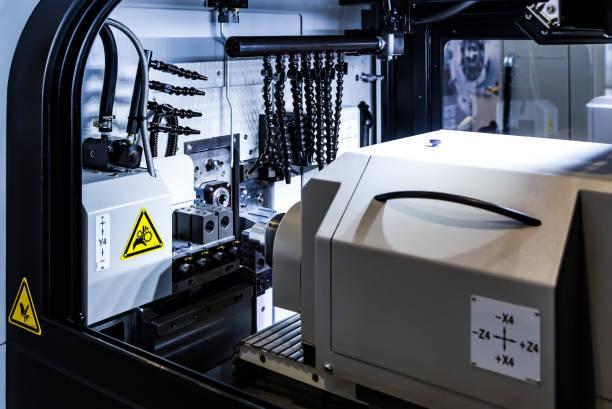
Let’s not overcomplicate it. Manufacturing today is all about precision, speed, and not messing things up at scale. That’s where a Swiss machining center comes into play. Not in some flashy, overhyped way, but in a very practical, “this actually works” kind of way. These machines were originally built for tiny watch parts, which tells you something right away, they’re made for detail. And now? They’re everywhere. Medical, aerospace, electronics, you name it.
How They Actually Work (Without the Fluff)
The short answer is… they hold the material differently. Instead of the workpiece sticking out and wobbling around like in traditional lathes, Swiss machines support it right near the cutting tool using a guide bushing. That changes everything. Less vibration, tighter tolerances, cleaner cuts. You can push materials harder without things going sideways. Sounds simple, but it’s kind of a big deal. And yeah, it looks a bit more complicated when you first see one. More moving parts, sliding headstock, tools hitting from different angles. But once you get it, it makes sense. It’s built for control. Tight, consistent control.
Why Precision Matters More Than Ever
Here’s the thing, industries don’t tolerate “close enough” anymore. Especially not in medical or aerospace. If a part is even slightly off, it can cause real problems. Not theoretical ones. Real ones. Swiss machining centers handle this pressure better than most setups. They’re designed for high-precision work where repeatability isn’t optional. You run the same part a thousand times; you expect the same result. No surprises. No weird deviations halfway through a batch.
Efficiency Without Cutting Corners
People assume precision slows things down. Sometimes that’s true. Not here, though.
A good Swiss setup can run multiple operations in a single cycle. Turning, drilling, milling… all happening without moving the part to another machine. That cuts down handling time. Less human error too, which, let’s be honest, always creeps in somewhere. You’re not just saving time, you’re reducing headaches. Fewer setups, fewer chances to screw up alignment. It adds up fast.
Where Swiss Style CNC Machining Fits In
Now, right in the middle of all this, you’ve got swiss style cnc machining, which is basically the evolved version of the same idea. More automation, better programming, tighter integration with CAD/CAM systems. It’s not just about making parts anymore, it’s about making them smarter, faster, and with less waste. And yeah, it takes skill to run these machines properly. This isn’t plug-and-play territory. But once dialed in, they’re insanely reliable. Shops that invest the time usually don’t go back.
Handling Complex, Small Parts Like It’s Nothing
Let’s be real: small parts are tricky. They bend, they shift, they don’t behave the way you want them to. Traditional machining struggles here. Swiss machines don’t, at least not as much. Because the support is so close to the cutting action, even thin or delicate components stay stable. You can machine long, slender parts without that annoying deflection issue ruining your tolerances. That’s why industries like medical device manufacturing lean on this tech so heavily. Tiny screws, pins, connectors… all need to be perfect. No room for guesswork.
Material Flexibility (More Than You’d Expect)
Another thing people overlook, these machines aren’t picky. You can run stainless steel, brass, titanium, plastics. Even tougher alloys that normally chew through tools can be managed better here because of the stability. It’s not magic, obviously. Tool wear still happens. But the control you get helps extend tool life a bit. And over time, that means lower costs. Not immediately obvious, but it shows up in the numbers later.
Is It Worth the Investment? Honestly… Depends
Alright, let’s not pretend this is cheap. Swiss machining centers cost more upfront. Setup takes longer. Operators need real training, not just basic CNC knowledge. But if you’re producing high volumes of small, precise parts? It’s worth it. No question. The efficiency, the consistency, the reduced scrap, it pays back. Slowly at first, then all at once. If you’re just doing low-volume, simple work, then yeah, maybe it’s overkill. Not every shop needs one. But the ones that do, they know.
Final Thoughts: Why Swiss Machining Isn’t Going Anywhere
Truth is, manufacturing keeps pushing toward tighter tolerances and faster production. That’s not slowing down. If anything, it’s getting more demanding every year. Swiss style CNC machining plays a major role in meeting those expectations by delivering exceptional accuracy, repeatability, and efficiency for complex, small-diameter components. Swiss machining centers fit right into that shift. They’re not trendy or flashy. They just solve real problems. Precision, stability, efficiency, all the stuff that actually matters on the shop floor. And once you see what they can do, it’s hard to ignore. Not perfect, not cheap, but very, very effective. Sometimes that’s all you need.
 English
Join our community to interact with posts!