
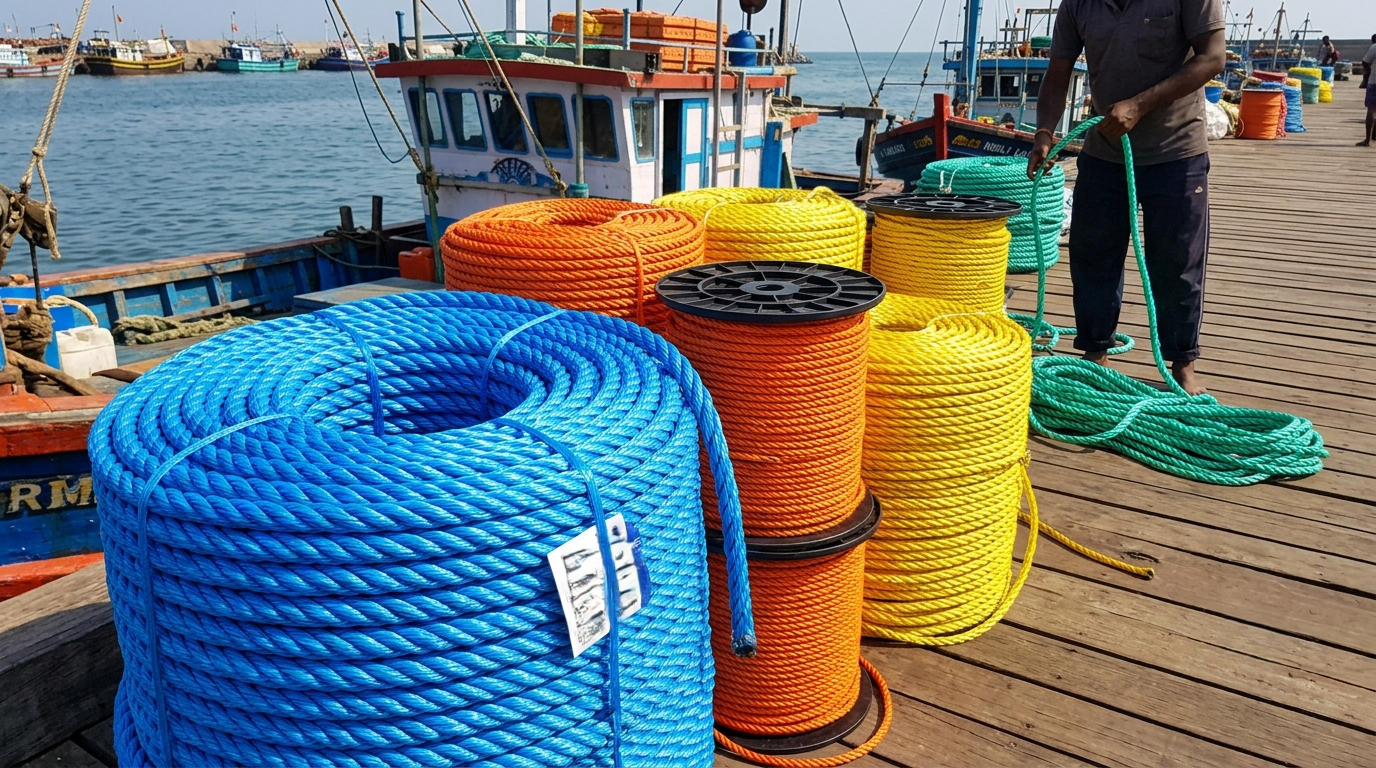
Choosing the correct rope is critical for assuring safety, efficiency, and long-term performance in industrial operations. Due to their lightweight design, superior strength, and resilience to moisture and chemicals, Polypropylene Ropes have become one of the most popular types of ropes available. They are commonly utilised in marine, construction, agricultural, logistics, fishing, and other industrial applications.
However, not all polypropylene ropes are appropriate for all applications. Understanding the various types, sizes, and specifications can help organisations make the best investment decisions. Working with reputable Polypropylene Ropes Suppliers also ensures that you receive high-quality items that satisfy your operating needs.
Polypropylene Ropes: What Are They?
Polypropylene ropes are synthetic ropes made from high-quality polypropylene fibres. They are noted for their lightweight, robust, and water-resistant properties, making them excellent for areas where moisture is an issue.
Polypropylene ropes, unlike natural fibre ropes, do not absorb water, therefore they stay lightweight even in damp situations. They can float on water, making them ideal for maritime and water-related applications.
Their versatility and cost have made them a popular choice in a variety of industries.
Why Do Industries Use Polypropylene Ropes?
Because they offer an outstanding blend of strength, longevity, and cost-effectiveness, businesses use polypropylene ropes.
Some of their main advantages include:
-
Lightweight and easy to handle
-
Excellent resistance against water and dampness
-
Floats on water
-
Resistant to mildew and decay
-
Good chemical resistance
-
Affordable when compared to several other rope materials
-
Available in several diameters and strengths
-
Ideal for both indoor and outdoor use
These characteristics make polypropylene ropes excellent for both short-term and long-term uses.
Understanding Various Rope Constructions
Before purchasing a rope, it is critical to understand its construction.
Twisted Polypropylene Rope
Twisted ropes are produced by twisting many strands together.
They are typically used for:
-
General utility work
-
Agriculture
-
Construction
-
Cargo handling
-
Mooring applications
Twisted ropes are inexpensive and simple to splice.
Braided Polypropylene Rope
Braided ropes offer increased flexibility and a smoother surface.
They are suitable for:
-
Maritime operations
-
Industrial lifting support
-
Decorative applications
-
Utility work requires improved handling
Braided ropes typically provide greater flexibility while keeping superior strength.
Choosing the Right Diameter
The diameter of the rope directly influences its strength and performance.
Thicker ropes typically provide:
-
Higher breaking strength
-
Better durability
-
Higher load capacity
Smaller diameter ropes are ideal for lighter applications that require flexibility and ease of handling.
The appropriate diameter is determined by the weight being handled and the operating conditions.
Consider the Working Environment
Each industry has unique operating circumstances.
Consider elements such as: when choosing Polypropylene Ropes
Marine Applications
Ropes used in marine situations must be resistant to seawater, dampness, and continual exposure to the elements.
Polypropylene ropes are extensively used because they float and do not absorb water.
-
Boat mooring
-
Dock lines
-
Rescue lines
-
Fishing operations
-
Marine cargo handling
Construction Sites
Ropes that can withstand enormous loads are required for construction operations.
Polypropylene ropes are typically used for:
-
Material handling
-
Safety barriers
-
Temporary lifting support
-
Equipment securing
Workers can easily take them around job sites because of their lightweight design.
Agriculture
Farmers use polypropylene ropes because they are weatherproof and inexpensive.
Applications include:
-
Livestock handling
-
Crop support
-
Fencing
-
Equipment tying
Their moisture resistance makes them ideal for outdoor farming.
Logistics and Warehousing
Polypropylene ropes are used by warehouses and logistics organisations for:
-
Securing freight and packaging
-
Load stabilisation
-
General material handling
Strong yet lightweight ropes increase operational efficiency while requiring less handling effort.
Evaluate Strength Requirements
One of the most significant considerations when choosing a rope is its working load requirement.
Businesses should never select a rope solely based on its maximum breaking strength.
Rather, they should consider:
-
Workload limit
-
Safety factor
-
The frequency of use
-
Environmental circumstances
-
Type of load being handled
Using the suitable rope reduces wear and improves worker safety.
Search for Quality Manufacturing Standards
Not all ropes are made with the same quality.
Reliable Polypropylene Ropes Suppliers deliver items that satisfy recognised quality requirements and are thoroughly tested.
Choosing quality products has various advantages:
-
Consistent performance
-
Longer service life
-
Better resistance to wear
-
Enhanced workplace safety
-
Increased dependability during difficult operations
High-quality ropes also mean lower replacement expenses over time.
Maintenance Tips for Longer Rope Life
Proper maintenance extends the lifespan of polypropylene ropes.
Some basic maintenance procedures include:
-
Inspect the ropes before each use
-
Avoid utilising ropes that are damaged or frayed
-
Store ropes in a clean, dry place
-
Avoid placing ropes near sharp edges whenever possible
-
Clean the ropes after being exposed to dirt, chemicals, or saltwater
-
Replace ropes that are too worn
Routine inspections increase safety and assist to avoid unforeseen breakdowns.
Selecting the Right Polypropylene Ropes Suppliers
Choosing the correct provider is equally crucial as choosing the right rope.
Professional Polypropylene Ropes Suppliers provide:
-
High-quality rope items
-
Various sizes and specs
-
Expert product recommendations
-
Competitive price
-
Reliable stock availability
-
Excellent client support
Working with an experienced supplier ensures that businesses receive ropes that are tailored to their specific operational requirements while keeping quality and safety standards.
Conclusion
Choosing the correct Polypropylene Ropes takes careful consideration of the intended use, load requirements, working environment, and rope construction. Whether in marine operations, construction, agricultural, logistics, or industrial environments, using the right rope increases safety, efficiency, and long-term performance.
Partnering with reputable Polypropylene Ropes Suppliers provides organisations with access to high-quality materials, experienced guidance, and dependable solutions. Companies who invest in the right polypropylene rope and manage it properly may save downtime, increase productivity, and assure consistent performance across a wide range of applications.
 English
Join our community to interact with posts!