
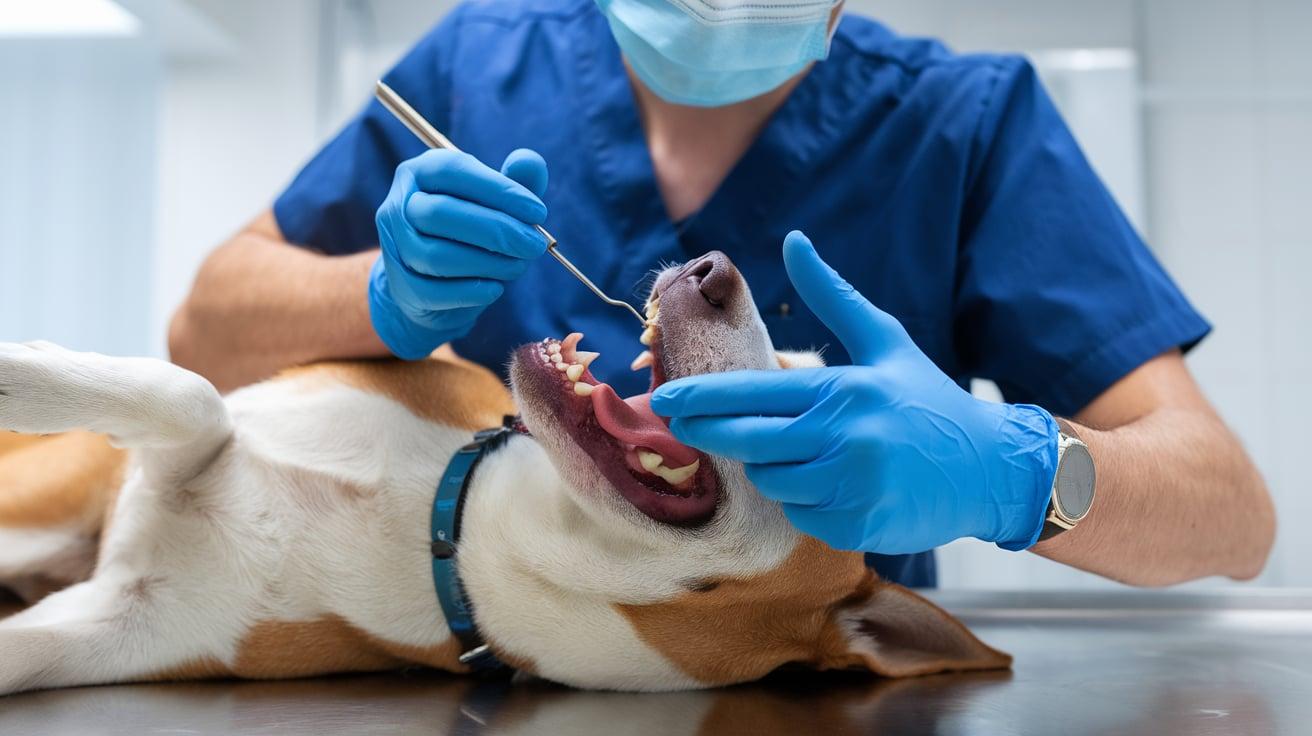
If your vet has recommended a dental procedure for your dog or cat, there's a good chance the word "anaesthesia" made you pause. It's one of the most common worries pet owners bring up, and it's a fair one to have. Nobody wants to put their furry family member at risk just to get their teeth cleaned.
The good news is that modern veterinary anaesthesia is far safer than most people assume. In this article, we'll break down why anaesthesia is necessary for pet dental work, what the actual risks are, how vets minimise them, and what you can do as a pet owner to feel confident before the big day.
Why Can't Vets Just Clean Teeth Without Anaesthesia?
You might have seen ads or heard about "anaesthesia-free" dental cleaning for pets. While it sounds appealing, it's not something most veterinary professionals recommend, and here's why.
A proper dental clean requires more than a surface scrub. The real damage that causes pain and disease in pets happens below the gumline, where you can't see it. Without anaesthesia, a vet can only clean the visible parts of the teeth, which does very little for your pet's actual oral health and can create a false sense that everything is fine.
Pets don't hold still voluntarily. Unlike humans, dogs and cats can't be asked to open wide and stay calm while sharp instruments work around their mouths. Even the most placid pet will flinch, and a sudden movement near the face with dental tools can cause injury.
X-rays are essential, and they require a still patient. A huge portion of dental disease lives below the gumline and inside the tooth root, invisible to the naked eye. Dental X-rays are the only way to properly assess this, and they simply aren't possible on an awake, wriggling animal.
It allows for a thorough, pain-free examination. Anaesthesia means your vet can check every tooth, probe around the gumline, and identify problems your pet would otherwise never let them find.
What Actually Happens During a Pet Dental Procedure
Understanding the process can make the whole thing feel a lot less mysterious. A typical dental procedure includes:
- Pre-anaesthetic health check and bloodwork, to confirm your pet is a safe candidate
- Induction and maintenance of anaesthesia, carefully calculated for your pet's weight, age, and health status
- Continuous monitoring of heart rate, oxygen levels, blood pressure, and breathing throughout the procedure
- A full oral examination and dental X-rays to assess every tooth, not just the ones that look obviously bad
- Scaling and polishing to remove plaque and tartar above and below the gumline
- Treatment of any problem teeth, which may include extractions or referral for more advanced work
That last point matters more than people realise. Vets don't just look for teeth that are visibly broken or discoloured. As one clinic puts it, the goal is to identify teeth of concern which may be a source of dental pain, and these can be extracted if necessary or referred for advanced dental treatment such as a root canal. This means your pet might go in for what seems like a routine clean and come out having had a genuinely painful problem resolved, one they'd been quietly living with.
So, What Are the Actual Risks?
It's important to be honest here rather than pretend the risk is zero, because it isn't for any anaesthetic procedure, human or animal. But context matters.
For a healthy pet undergoing a standard dental procedure, the risk of a serious anaesthetic complication is low. Veterinary anaesthesia protocols have improved dramatically over the past couple of decades, largely thanks to better monitoring equipment, safer drug combinations, and more thorough pre-anaesthetic screening.
Risk tends to increase with:
- Older age, particularly in senior pets with underlying organ changes
- Pre-existing conditions, such as heart disease, kidney disease, or diabetes
- Certain breeds, especially brachycephalic (flat-faced) breeds like pugs, bulldogs, and Persian cats, which can have airway complications
- Obesity, which affects how drugs are processed and can complicate airway management
- Not having proper pre-anaesthetic testing done
This is exactly why a thorough pre-anaesthetic assessment isn't just a box-ticking exercise. It's how your vet tailors the anaesthetic plan specifically to your pet, rather than using a one-size-fits-all approach.
How Vets Keep Dental Anaesthesia Safe
If you're picturing your pet being knocked out with a single injection and left unsupervised, that's not how modern veterinary practice works. Here's what safety actually looks like behind the scenes.
Pre-Anaesthetic Screening
Before any sedative is given, your vet will usually run bloodwork to check organ function, and may also recommend additional tests like an ECG or chest X-ray depending on your pet's age and health history. This helps catch hidden issues, such as early kidney or liver changes, that wouldn't be obvious just from looking at your pet.
Tailored Drug Protocols
There's no single "anaesthesia" drug. Vets use a combination of medications chosen specifically for your pet's age, breed, weight, and health status. A young, healthy Labrador will have a very different protocol to a senior cat with mild kidney concerns.
Airway Management
Once your pet is sedated, a tube is placed in the windpipe to maintain a clear airway and deliver oxygen and anaesthetic gas. This also protects the lungs from any water or debris during the dental cleaning.
Continuous Monitoring
Throughout the procedure, trained veterinary staff monitor:
- Heart rate and rhythm
- Blood oxygen levels
- Blood pressure
- Body temperature
- Breathing rate and depth
This isn't a "set and forget" process. Someone is watching these numbers the entire time and adjusting as needed.
Temperature Support
Pets can lose body heat quickly under anaesthesia. Warming blankets or pads are used to keep body temperature stable, since being too cold can slow recovery and cause complications.
Careful Recovery Monitoring
The job isn't done when the procedure finishes. Pets are watched closely as they wake up to make sure breathing, heart rate, and temperature return to normal smoothly.
Questions You Can Ask Your Vet
Feeling informed goes a long way toward easing anxiety. Don't hesitate to ask your vet things like:
- What pre-anaesthetic tests do you recommend for my pet specifically?
- What monitoring equipment will be used during the procedure?
- Will dental X-rays be part of the procedure?
- What happens if you find a problem tooth while my pet is under anaesthesia?
- What's the recovery process like, and what should I watch for at home?
A good vet clinic will welcome these questions and take the time to walk you through their approach.
How to Prepare Your Pet for the Big Day
There are a few simple things you can do to support a smooth procedure:
- Follow fasting instructions carefully. Your vet will usually ask you to withhold food for a set number of hours beforehand, as an empty stomach reduces the risk of complications during anaesthesia.
- Mention any changes in behaviour or health, even small ones, at your pre-procedure check-up.
- Bring a list of current medications and supplements, since some can interact with anaesthetic drugs.
- Plan for a quiet recovery day at home, with limited activity and easy access to water once your vet gives the all-clear.
- Don't feed your pet before checking with your vet, even if they seem hungry after the fasting period, since post-anaesthetic nausea is common.
Signs of Dental Disease Worth Watching For
Many pets hide dental pain remarkably well, which is part of why regular checks matter. Keep an eye out for:
- Bad breath that seems unusually strong
- Yellow or brown buildup on the teeth
- Red, swollen, or bleeding gums
- Reluctance to chew hard food or treats
- Pawing at the face or mouth
- Dropping food while eating
- Excessive drooling
If you notice any of these, it's worth booking a check-up rather than waiting for the next routine visit.
The Bottom Line
Anaesthesia for pet dental procedures carries some risk, as does any anaesthetic, but for the vast majority of healthy pets, that risk is low and well managed through careful screening, tailored protocols, and continuous monitoring. The alternative, leaving dental disease untreated, tends to carry far greater risks over time, including chronic pain, infection, and even damage to organs like the heart and kidneys from long-term bacterial exposure.
The best thing you can do as a pet owner is choose a vet clinic you trust, ask questions until you feel comfortable, and make sure your pet has proper pre-anaesthetic screening before any procedure. With the right precautions in place, dental anaesthesia is a routine and generally safe part of keeping your pet healthy and pain-free for years to come.
 English
Join our community to interact with posts!