
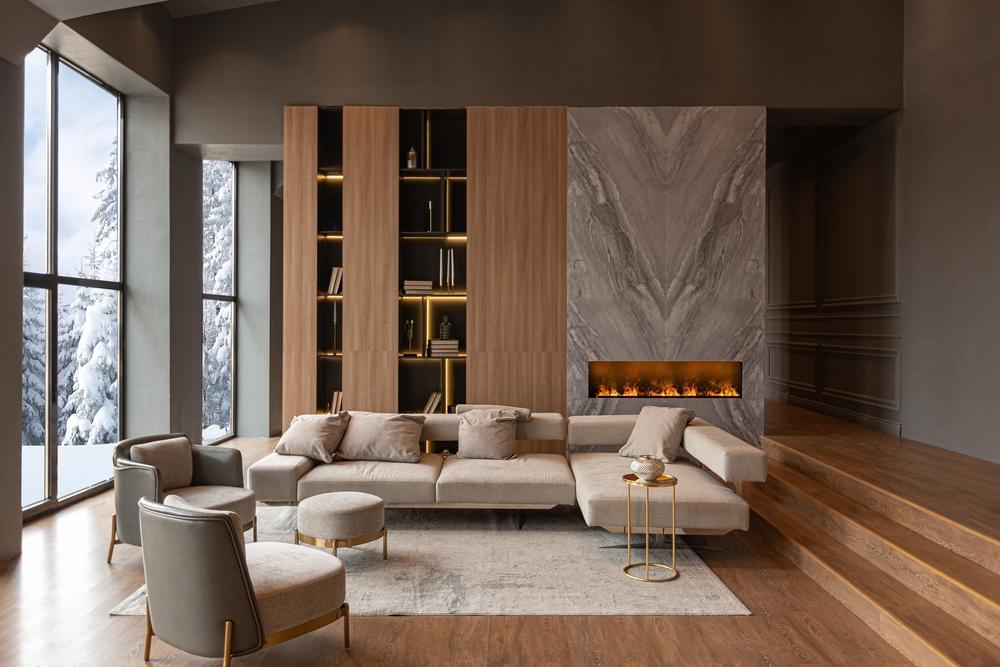
What to Look for When Buying a Home Safe: Security Meets Design
A home safe protects more than valuables. It protects peace of mind. After testing dozens of models for clients over the years, we know one thing for certain: the right safe blends strong security with a design that fits your home. This guide walks you through every factor that matters, in plain language, so you can buy with confidence.
Why Every Home Needs a Safe
Fires, break-ins, and floods happen without warning. A quality safe keeps your passports, jewelry, cash, and family documents protected when disaster strikes. Insurance companies often ask for a rated safe before they cover high-value items, so this purchase pays for itself over time.
What People Usually Store Inside a Safe
-
Important documents (wills, deeds, insurance papers)
-
Jewelry and heirlooms
-
Firearms and ammunition
-
Backup drives and digital storage
-
Cash and emergency funds
Understanding Home Safe Security Ratings
Security ratings tell you how well a safe resists fire, forced entry, and tampering. Look for two main types of protection.
Fire Resistance Ratings
Check how long the safe withstands heat before the interior temperature rises. A 30-minute rating protects paper documents. A 60-minute or higher rating protects digital media and photos, which burn at lower temperatures.
Burglary Resistance Ratings
Look for UL-rated steel construction, pry-resistant doors, and reinforced locking bolts. Thicker steel walls mean better resistance against drills and crowbars.
Quick Tip
Never assume a fireproof safe is also burglar-proof. The two ratings measure completely different things, so check both before you buy.
Lock Types: Choosing What Works for You
The lock decides how fast you access your valuables and how secure they stay.
Electronic Keypad Locks
These offer quick access and easy code changes. Choose a model with a battery backup so a dead battery never locks you out.
Biometric Locks
Fingerprint scanners give instant access and work well for families who want speed without remembering codes.
Mechanical Dial Locks
These never need batteries and remain reliable for decades, making them a smart backup option even in modern homes.
Size, Placement, and Everyday Practicality
Buy a safe that fits your actual needs, not just today's needs. Families who plan to add jewelry, documents, or a firearm collection should choose a slightly larger model from the start.
Best Placement Options
-
Closet floor, bolted down
-
Home office, hidden behind furniture
-
Basement or utility room, away from windows
Common Placement Mistakes
Many buyers place the safe in the master bedroom closet, which is the first spot burglars check. Choose a less obvious location and always anchor the unit to the floor or wall.
Where Design Meets Security
A safe no longer needs to look like a bulky metal box. Modern designers now create safes that match high-end interiors, sitting comfortably beside other statement pieces in a home.
Matching Your Interior Style
Just as homeowners choose matte finishes and warm wood tones for LUXURY BAR FURNITURE, they now expect the same craftsmanship from their safes. A well-designed LUXURY SAFES collection blends brushed steel, wood veneer, and hidden panels so the unit disappears into the room rather than standing out.
Safes as Statement Pieces
High-end homes often pair a bold LUXURY SAFES unit with other refined fixtures, from LUXURY BATHTUBS in the primary suite to custom cabinetry in the study. This approach turns a purely functional item into part of the home's overall design story.
Concealment Without Compromise
Some manufacturers build safes into cabinetry near LUXURY BAR FURNITURE setups or behind artwork, so security stays invisible to guests while remaining fully accessible to the homeowner.
Budget Tiers Explained
Entry-Level ($100–$300)
Basic fire protection and lighter steel. Good for documents and small items.
Mid-Range ($300–$800)
Stronger locking bolts, better fire rating, and improved tamper resistance.
Premium ($800+)
TL-rated security, designer finishes, and custom interior configurations. This tier often overlaps with premium home features like LUXURY BATHTUBS and designer furniture, since homeowners furnish every room, including the safe room, with the same attention to detail.
Installation and Anchoring Tips
Bolt every safe to a solid surface, whether it sits on concrete or a wood subfloor. A heavy, unanchored safe still gets carried away by determined intruders. Professional installation adds a small cost but guarantees a secure setup.
Maintenance Checklist
-
Replace electronic lock batteries every 12 months
-
Test backup keys and codes twice a year
-
Check door seals on fireproof models for cracks
-
Keep the safe dry to prevent rust on steel components
Frequently Asked Questions
1. What is the best type of safe for a home?
A fireproof, UL-rated safe with electronic or biometric locking works well for most households. Choose the size based on what you plan to store.
2. How much does a good home safe cost?
Reliable safes start around $150 and go beyond $1,500 for premium, design-forward models with advanced security ratings.
3. Are biometric safes reliable?
Yes. Modern fingerprint scanners are accurate and fast, though a backup key or code is recommended in case of sensor failure.
4. Can a home safe survive a house fire?
A properly fire-rated safe protects contents for the duration listed on its certification, typically 30 to 120 minutes at a specific temperature.
5. Where is the best place to hide a home safe?
Avoid the master bedroom closet. Choose a less predictable spot, such as a utility room, home office, or a concealed cabinet, and always bolt it down.
Final Thoughts
The best home safe balances certified security with a design that fits your lifestyle. Check the fire rating, confirm the burglary rating, pick a lock type that suits your routine, and choose a size that fits your future needs. Once security is settled, let design take over, so your safe feels like part of your home rather than an afterthought.
 English
Join our community to interact with posts!