
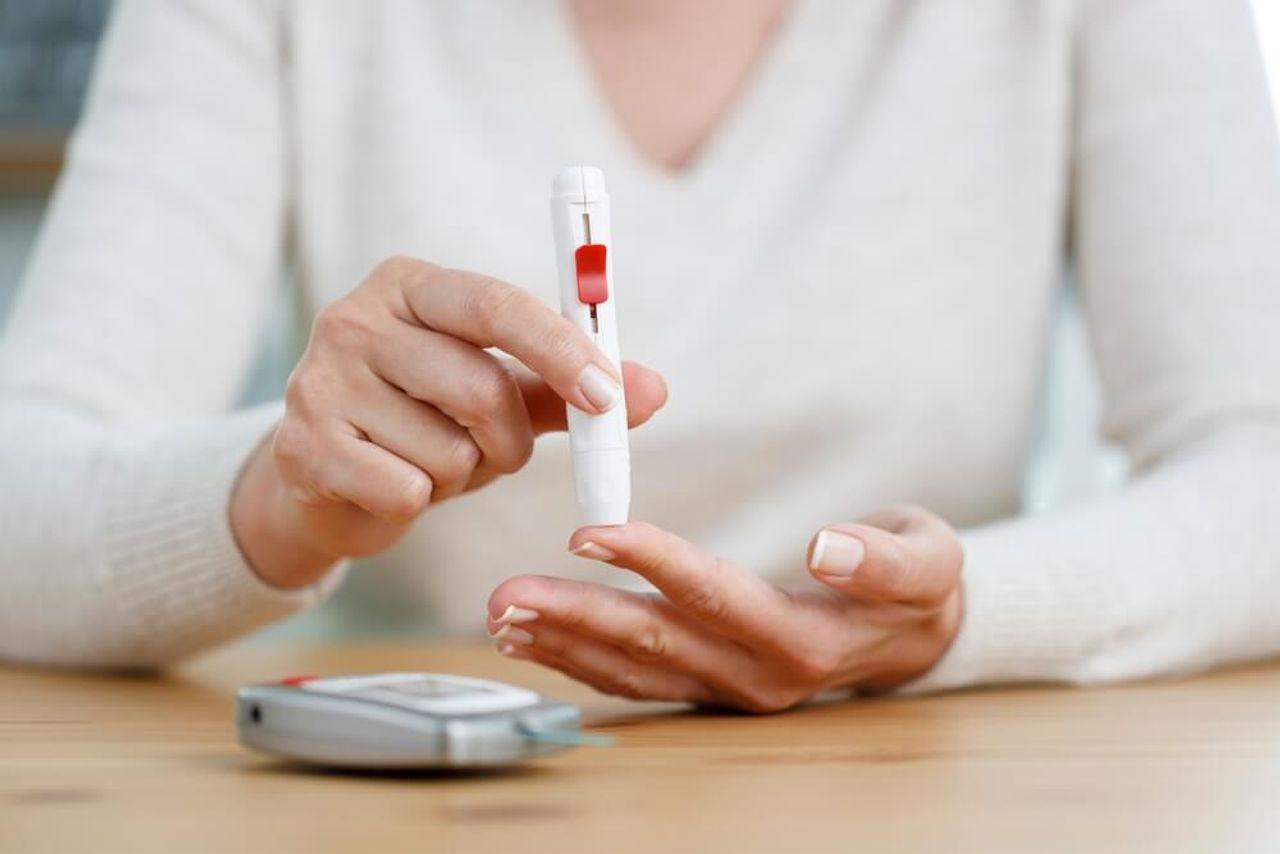
A blood sugar test is more than just a routine laboratory examination—it is an important indicator of how well your body regulates glucose. Whether you are being screened for diabetes, monitoring an existing condition, or simply checking your overall health, understanding your blood sugar test ranges helps you make informed decisions about your lifestyle and medical care.
Many people receive their Blood Sugar Test Dubai results without fully understanding what the numbers mean. Seeing a value within or outside the normal range can be confusing, especially when different tests measure blood sugar in different ways. Learning how to interpret these ranges provides valuable insight into your metabolic health and helps you recognize when further medical evaluation may be necessary.
Why Blood Sugar Ranges Matter?
Blood glucose serves as the body's primary source of energy. Every organ, muscle, and cell relies on glucose to function properly. The hormone insulin helps move glucose from the bloodstream into cells, where it is used for energy or stored for future needs.
When insulin production or insulin sensitivity becomes impaired, blood glucose levels may rise or fall outside the healthy range. Persistently abnormal blood sugar can increase the risk of diabetes, cardiovascular disease, kidney problems, nerve damage, and vision complications.
Understanding normal blood sugar ranges allows healthcare providers to identify early metabolic changes before symptoms become severe.
Different Blood Sugar Tests Measure Different Things:
Not every blood sugar test provides the same information. Each test measures glucose from a different perspective, which is why your healthcare provider may recommend more than one type of test.
Fasting Blood Sugar Test:
The fasting blood sugar test measures your glucose level after avoiding food for at least eight hours. It provides a baseline reading that is commonly used to screen for diabetes and prediabetes.
Random Blood Sugar Test:
A random blood sugar test measures glucose at any time of the day regardless of meals. It is often used when symptoms such as excessive thirst, fatigue, or frequent urination require immediate evaluation.
Postprandial Blood Sugar Test:
This test measures blood glucose approximately two hours after eating. It helps determine how effectively your body processes carbohydrates following a meal.
Oral Glucose Tolerance Test:
The oral glucose tolerance test evaluates how your body responds to a concentrated glucose drink. It is commonly used to diagnose gestational diabetes and impaired glucose tolerance.
HbA1c Test:
Unlike other blood glucose tests, the HbA1c test reflects your average blood sugar over the previous two to three months. It is widely used to monitor long-term diabetes management and assess glucose control.
Understanding Normal Blood Sugar Test Ranges:
Although exact interpretation should always come from your healthcare provider, blood sugar results are generally categorized into three groups: normal, elevated, and diabetic ranges.
A normal fasting blood sugar level usually indicates that your body is effectively regulating glucose through healthy insulin function. Values that fall slightly above the normal range may suggest prediabetes, while consistently higher readings can indicate diabetes and require additional evaluation.
For post-meal testing, blood glucose naturally rises after eating before gradually returning toward normal levels. Healthcare providers evaluate these results alongside fasting glucose and HbA1c values to obtain a complete picture of glucose regulation.
Rather than focusing on one isolated reading, healthcare professionals examine patterns across multiple tests and consider your overall medical history.
Why Blood Sugar Levels Change Throughout the Day?
Blood glucose is not a fixed number. It changes continuously in response to daily activities and natural body processes.
Meals rich in carbohydrates increase glucose levels temporarily. Physical activity often lowers blood sugar by helping muscles use glucose more efficiently. Emotional stress, illness, dehydration, hormonal changes, medications, and poor sleep may also influence glucose measurements.
Because of these normal fluctuations, healthcare providers select specific testing methods depending on the clinical question they are trying to answer.
Understanding these natural variations helps explain why one blood sugar result should never be interpreted in isolation.
Factors That Can Influence Your Blood Sugar Results:
Several lifestyle and medical factors affect blood glucose readings.
Recent food intake is one of the most significant influences, especially for fasting glucose testing. Medications such as corticosteroids, certain blood pressure medicines, and hormone therapies may also alter blood sugar levels.
Stress hormones released during illness or emotional distress can temporarily raise glucose, while prolonged exercise may lower blood sugar in some individuals.
Hydration status, alcohol consumption, smoking, pregnancy, chronic health conditions, and even sleep quality contribute to glucose regulation.
Providing accurate information about these factors allows healthcare providers to interpret your blood sugar test results more effectively.
When Blood Sugar Falls Outside the Normal Range?
Abnormal blood sugar results do not always mean someone has diabetes.
Temporary increases may occur during infections, surgery, severe stress, or while taking certain medications. Likewise, low blood sugar can result from prolonged fasting, diabetes medications, excessive physical activity, or hormonal disorders.
If your blood glucose levels remain consistently above or below the expected range, your healthcare provider may recommend repeat testing, HbA1c measurement, or an oral glucose tolerance test to confirm the diagnosis.
Early identification of abnormal glucose regulation allows timely treatment and helps prevent long-term complications.
How Healthcare Providers Interpret Blood Sugar Results?
Blood sugar test ranges are only one part of the diagnostic process.
Healthcare professionals also evaluate symptoms, family history, age, body weight, medical conditions, medications, blood pressure, cholesterol levels, and additional laboratory findings before making a diagnosis.
Someone with borderline fasting glucose but a normal HbA1c may require monitoring rather than immediate treatment. Conversely, an individual with normal fasting glucose but an elevated HbA1c may have persistent long-term hyperglycemia that requires intervention.
Looking at the complete clinical picture ensures accurate diagnosis and appropriate care.
Keeping Your Blood Sugar Within a Healthy Range:
Maintaining healthy blood glucose levels depends largely on consistent daily habits.
A balanced eating pattern that includes vegetables, fruits, whole grains, legumes, lean protein, healthy fats, and fiber-rich foods supports stable glucose control. Limiting refined carbohydrates, sugary beverages, and highly processed foods reduces unnecessary blood sugar spikes.
Regular physical activity improves insulin sensitivity and helps maintain a healthy body weight. Managing stress, staying hydrated, avoiding tobacco, limiting alcohol, and getting sufficient sleep also contribute to healthy glucose metabolism.
Routine blood glucose monitoring and scheduled health checkups provide valuable opportunities to identify changes early and adjust lifestyle habits before problems become serious.
Common Misunderstandings About Blood Sugar Ranges:
Many people believe that one normal blood sugar test guarantees lifelong protection against diabetes. In reality, blood glucose regulation changes with age, lifestyle, weight, and overall health.
Another common misconception is that only people with diabetes need blood sugar testing. Preventive screening is equally important because prediabetes often develops without noticeable symptoms.
Some individuals also assume that home glucose monitoring can replace laboratory testing. While home monitoring provides useful daily information, laboratory blood sugar tests and HbA1c measurements remain essential for accurate diagnosis and long-term evaluation.
Understanding these misconceptions helps individuals make better healthcare decisions.
The Importance of Regular Monitoring:
Blood sugar testing should be viewed as an ongoing part of preventive healthcare rather than a one-time event.
Individuals with diabetes, prediabetes, family history of diabetes, obesity, hypertension, cardiovascular disease, or other metabolic risk factors benefit from routine blood glucose monitoring and periodic HbA1c testing.
Regular screening allows healthcare providers to identify subtle metabolic changes before symptoms appear, making treatment more effective and reducing the risk of serious complications.
Early awareness is one of the strongest tools for protecting long-term health.
Conclusion:
Understanding normal blood sugar Lab tests ranges is an essential step toward taking control of your health. Blood glucose values provide important information about how effectively your body regulates sugar, but they should always be interpreted within the context of your medical history, symptoms, lifestyle, and additional laboratory findings.
Whether your blood sugar results are normal, slightly elevated, or require further investigation, early monitoring and healthy daily habits remain the foundation of long-term metabolic wellness. By combining regular blood sugar testing with balanced nutrition, physical activity, quality sleep, and professional medical guidance, you can support stable glucose levels, reduce the risk of diabetes complications, and protect your overall health for years to come.
 English
Join our community to interact with posts!