
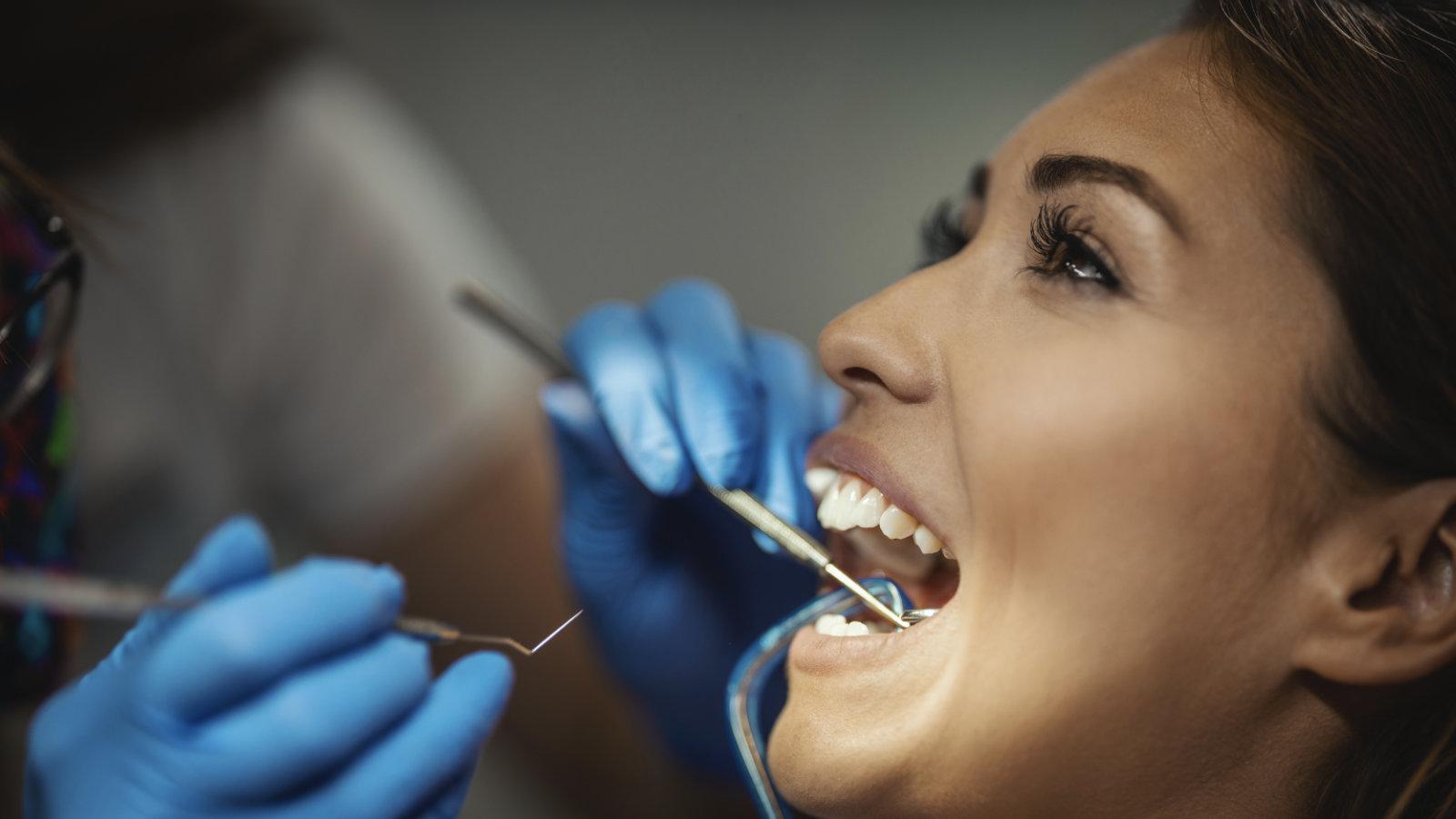
Dental Clinic in Dubai for Emergency Dental Care
Dental emergencies can happen unexpectedly and may cause significant pain, swelling, bleeding, or damage to the teeth. Knowing when to seek professional help can prevent a minor problem from becoming more serious. A reliable dental clinic in dubai can assess urgent dental concerns, identify the underlying cause, and recommend appropriate treatment based on the condition of your teeth and gums.
What Is a Dental Emergency?
A dental emergency is an oral health problem that requires prompt professional assessment.
Severe toothache, facial swelling, a knocked-out tooth, significant dental trauma, a broken tooth, or a damaged dental restoration may require urgent attention.
Not every dental problem needs immediate treatment, but persistent or severe symptoms should not be ignored.
Severe Toothache
A sudden or intense toothache can have several causes, including tooth decay, infection, a damaged filling, cracked tooth, or trauma.
Pain that continues or becomes worse should be evaluated by a dentist.
Avoid relying on pain relief alone without identifying the cause. Treating the underlying problem is important for protecting the affected tooth and surrounding tissues.
Dental Infection and Swelling
An infection can cause pain, swelling, tenderness, or an unpleasant taste in the mouth.
Swelling around the tooth, gums, jaw, or face may indicate a problem requiring prompt dental assessment.
A dentist can determine whether the issue is related to decay, gum disease, an abscess, or another condition and recommend appropriate treatment.
Broken or Cracked Teeth
A tooth can crack or break because of an accident, biting something hard, decay, or weakened tooth structure.
The treatment depends on how much of the tooth has been damaged.
Minor damage may be restored with bonding or a filling, while more extensive damage may require a crown or other restorative treatment. If the inner part of the tooth is affected, root canal treatment may be considered.
Knocked-Out Tooth
A knocked-out permanent tooth is a time-sensitive dental injury.
If possible, handle the tooth carefully by the crown rather than the root. Avoid scrubbing the root surface.
Seek professional dental care as quickly as possible. The dentist can assess the injury and determine whether the tooth can be managed appropriately.
Children and adults with dental trauma should receive professional evaluation even if pain appears limited.
Dental Injuries in Children
Children can experience dental injuries during sports, falls, or accidents.
A damaged or displaced tooth should be assessed by a dental professional because an injury may affect developing permanent teeth or surrounding tissues.
Parents should seek prompt guidance after significant dental trauma rather than waiting for symptoms to develop.
Lost or Damaged Fillings
A filling can become loose or fall out due to wear, new decay, trauma, or pressure on the tooth.
Although the situation may not always be an emergency, the affected tooth should be evaluated.
Leaving the tooth unprotected can allow food and bacteria to enter the area and may increase the risk of further damage.
Broken Dental Crowns
A damaged or loose crown should be assessed by a dentist.
If the crown has completely detached, keep it safe and contact your dental provider for instructions.
Do not attempt to permanently reattach a dental restoration using household adhesives.
The dentist can determine whether the existing crown can be repaired or needs replacement.
Dental Abscess
A dental abscess is a collection of infection that can develop around a tooth or in the surrounding gum tissues.
It may cause pain, swelling, sensitivity, or an unpleasant taste.
Professional treatment is necessary to address the source of the infection. Depending on the cause, treatment may involve drainage, root canal treatment, periodontal care, or extraction.
Emergency Root Canal Treatment
When infection reaches the inner part of a tooth, root canal treatment may be needed to preserve the natural tooth.
During the procedure, the infected tissue is removed, the canals are cleaned and sealed, and the tooth is restored.
Prompt treatment can help manage infection and relieve symptoms while preserving the affected tooth when it is restorable.
Emergency Tooth Extraction
Sometimes a tooth is too damaged or infected to be saved.
In such cases, extraction may be recommended after the dentist evaluates all suitable options.
The dentist will explain the procedure and discuss replacement options when appropriate.
Depending on the location of the missing tooth, options may include a dental implant, bridge, or denture.
Gum Emergencies
Sudden gum swelling, severe tenderness, bleeding, or trauma may require professional evaluation.
Gum problems can sometimes be related to infection, injury, periodontal disease, or an underlying dental issue.
A dentist can determine the cause and recommend appropriate treatment.
What to Do Before Your Appointment
If you experience a dental emergency, remain calm and contact a dental professional as soon as possible.
Avoid placing aspirin directly on the gums or tooth because it can irritate the soft tissues.
For swelling, follow professional advice and avoid attempting to drain an abscess yourself.
If a tooth has been injured, protect the area and seek professional guidance promptly.
When Dental Trauma Requires Urgent Attention
Dental trauma accompanied by severe bleeding, significant swelling, facial injury, loss of consciousness, or difficulty breathing or swallowing requires urgent medical assessment.
In serious accidents, dental treatment may need to be coordinated with emergency medical care.
Do not delay seeking appropriate help when symptoms suggest a potentially serious injury.
Preventing Dental Emergencies
Not every emergency can be prevented, but some risks can be reduced.
Wear an appropriate mouthguard during contact sports, avoid chewing hard objects, maintain good oral hygiene, and attend regular dental checkups.
Treating cavities and damaged teeth early can also reduce the chance of unexpected complications.
Why Regular Dental Checkups Matter
Routine examinations allow your dentist to identify weakened teeth, damaged restorations, cavities, and gum problems before they become urgent.
Professional cleaning can help control plaque and tartar buildup.
Preventive care is therefore an important part of reducing the risk of unexpected dental problems.
Choosing an Emergency Dental Provider
When selecting a dental provider, consider emergency availability, professional qualifications, experience, available treatments, technology, and communication.
If you have a recurring dental concern, ask whether the clinic can provide follow-up treatment after the emergency has been managed.
Clear information about treatment options and costs can also help you make informed decisions.
Emergency Dental Care Costs
The cost of emergency treatment varies depending on the cause and procedure required.
A consultation may be followed by diagnostic imaging, medication, restorative treatment, root canal therapy, extraction, or another procedure.
Ask for an explanation of the recommended treatment and expected costs before proceeding whenever the situation allows.
Follow-Up After Emergency Treatment
Emergency treatment may resolve immediate symptoms, but additional care can sometimes be necessary.
For example, a temporary repair may need to be followed by a permanent crown or restoration.
Following your dentist's instructions and attending recommended appointments can help protect the affected tooth and prevent recurrence.
Conclusion
A dental emergency can be stressful, but prompt professional assessment can help protect your oral health. A dependable dental clinic in dubai can evaluate severe tooth pain, swelling, broken teeth, dental injuries, infections, and damaged restorations and recommend suitable care.
Regular checkups, good oral hygiene, protective equipment during sports, and timely treatment of dental problems can reduce the risk of emergencies. If severe symptoms or significant dental trauma occur, seeking professional dental care promptly is the safest approach.
 English
Join our community to interact with posts!