
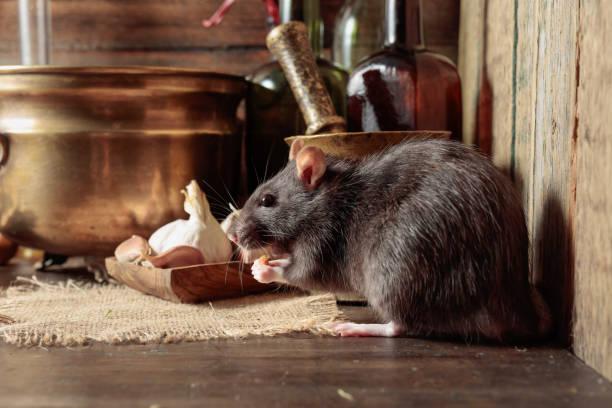
You hear something scurrying around your house and immediately your brain jumps to rat removal, which honestly makes sense, that's the go to assumption for most people. But it's not always rats, sometimes it's squirrels, sometimes it's something else entirely, and knowing the difference actually matters for how the problem gets handled.
The Sound Timing Tells You A Lot
Rats are nighttime creatures, so if you're hearing scratching or scurrying after everyone's gone to bed, that lines up pretty well. Squirrels on the other hand are active during the day, so noises around sunrise or mid afternoon point more toward a squirrel situation than a rat one. This one detail alone saves a lot of guessing before you even see anything.
Size And Movement Give It Away Too
Rat movement tends to be quicker and lighter sounding, almost a scampering noise, while squirrels are heavier and louder, sometimes sounding like actual footsteps or thumping. If it sounds like something's genuinely running around up there with some weight behind it, that's leaning more toward squirrel activity than rats. It's a small distinction but it matters once you're trying to figure out what you're actually dealing with.
Rats Multiply Faster Than You'd Think

If it does turn out to be rats, here's something worth knowing right away, they breed incredibly fast. A female can have a new litter every few weeks under decent conditions, so what seems like one rat sighting can quickly become a much bigger colony hiding somewhere in your walls or attic if it's not addressed soon.
Squirrels Tend To Show Up Seasonally
Unlike rats, which are pretty much a year round concern, squirrel activity in attics tends to spike during spring when females are looking for a safe spot to nest and have babies. That seasonal pattern is honestly one of the more reliable clues, if it's springtime and you're hearing daytime activity, squirrel removal calls in that window go up noticeably compared to other times of year.
Both Chew, But For Slightly Different Reasons
Rats gnaw because it's just part of their nature and helps keep their teeth manageable, chewing through wiring, wood, insulation, whatever's in their path. Squirrels chew for the same basic reason, their teeth never stop growing either, so they need to wear them down constantly. Either way, chewed wiring is a real fire risk, not just cosmetic damage, so this part of the concern is basically identical regardless of which animal you're dealing with.
Entry Points Aren't The Same Size
This is a genuinely useful distinction. Rats can squeeze through gaps about the size of a quarter, sometimes smaller depending on the species, while squirrels need a bit more room but are excellent climbers and jumpers, meaning they'll find weak spots higher up like rooflines or soffits that rats might not even reach. A proper inspection has to account for both possibilities depending on what signs you're seeing.
DIY Traps Work Differently For Each
Store bought traps can catch a rat or two, sure, but rats are cautious and often avoid new objects in their space for a while before approaching. Squirrels are a bit bolder and curious by comparison, but trapping them without addressing the actual entry point just means more will likely show up eventually anyway. Either way, trapping alone without sealing access points tends to be a temporary fix at best.
Babies Change The Whole Approach For Both

If there's a litter involved, whether it's rats or squirrels, sealing the entry point immediately is the wrong move in either case. The mother will tear right back through trying to reach her babies, causing new damage in the process. Confirming whether babies are present and handling that properly before sealing anything up matters regardless of which animal you're dealing with.
The Damage Left Behind Looks Pretty Similar
Whether it was rats or squirrels living in your attic, you're often looking at chewed insulation, droppings, and sometimes a lingering smell that doesn't just disappear once the animals are gone. Proper cleanup matters just as much as the initial removal in both cases, since skipping it means living with the aftermath long after the actual problem's been resolved.
Prevention Overlaps A Lot Between The Two
Trimming tree branches away from your roofline, sealing small gaps as you notice them, keeping food sources secured, all of this helps reduce your odds with both rats and squirrels since they're both opportunists looking for easy access and easy food. You can't eliminate the risk completely just by living somewhere with decent tree cover or older housing, but these habits genuinely tip the odds in your favor either way.
Wrapping This Up
At the end of the day, figuring out whether you're dealing with rats or squirrels matters more than people initially think, since the timing, entry points, and even the approach to sealing things up afterward can differ depending on which one you've actually got. Either way, waiting around hoping it resolves itself rarely works out well for anyone. If you're hearing noises and aren't totally sure what's going on up there, Elite Wildlife Services can come take a proper look, figure out exactly what you're dealing with, and handle it the right way from removal through sealing everything back up.
FAQs
How can I tell if it's rats or squirrels without seeing them directly?
Pay attention to timing, rats are more active at night while squirrels move around during the day. The sound itself is also a clue, squirrels tend to sound heavier and louder compared to the quicker scampering of rats.
Can I have both rats and squirrels at the same time?
It happens more than people expect, especially if there's an existing weak point in the roofline that both can access. They usually don't nest in the exact same spot, but one damaged entry point can invite both over time.
Is one of these animals more destructive than the other?
They're honestly pretty comparable in terms of potential damage, both chew through wiring and insulation and both leave behind droppings and odor issues. The bigger difference tends to be entry point size and seasonal timing rather than overall destructiveness.
Do I need different traps for rats versus squirrels?
Yes, trap size and placement differ significantly between the two since squirrels are considerably bigger than rats. Using the wrong setup usually just means an ineffective attempt and a problem that keeps going.
 English
Join our community to interact with posts!