
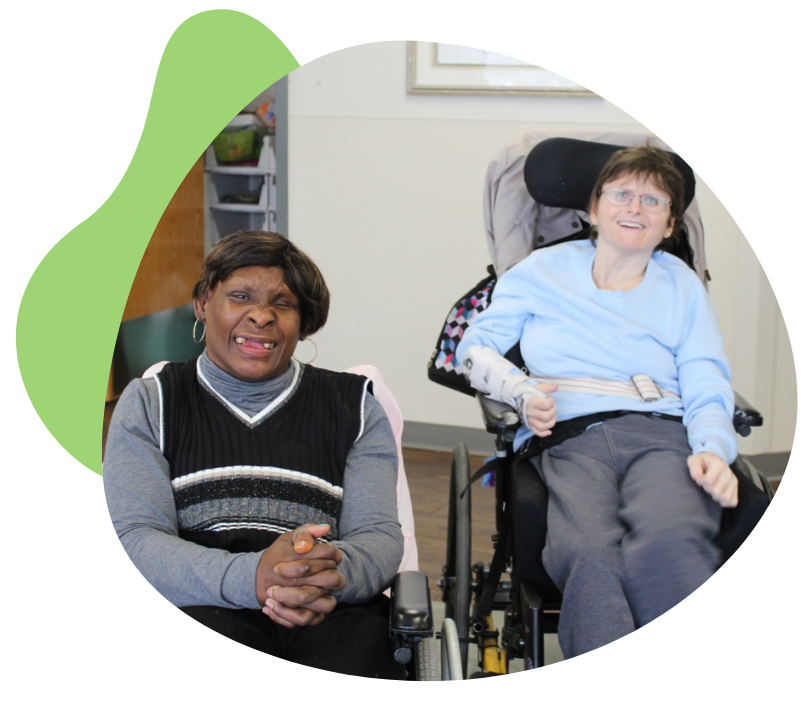
Finding the right living environment can make a meaningful difference in the daily lives of people with disabilities. Supportive residential programs can provide a safe place to live while helping individuals develop independence, maintain routines, build relationships, and participate in their communities. Quality Residential Services with Disabilities are designed around individual needs and abilities, offering personalized assistance that supports both daily living and long-term well-being. With the right combination of care, encouragement, and opportunities for personal growth, individuals can enjoy greater confidence, stability, and quality of life.
Promoting Independence
Independence is an important part of personal development and well-being. Residential programs can encourage individuals to participate in everyday activities based on their abilities.
Independence May Include
- Choosing daily activities
- Preparing simple meals
- Organizing personal belongings
- Practicing personal care routines
- Making everyday decisions
Providing appropriate support rather than taking over tasks allows individuals to build confidence and maintain important life skills.
Supporting Daily Living Skills
Residential services often provide assistance with activities that individuals may find challenging.
Daily Support Can Include
- Personal hygiene
- Meal preparation
- Household responsibilities
- Medication reminders
- Managing daily schedules
Consistent guidance helps individuals establish routines and develop skills that contribute to greater independence.
Creating a Safe and Stable Environment
A predictable and supportive living environment can promote emotional security. Residential programs typically establish routines and safety procedures that help individuals feel comfortable in their surroundings.
A Supportive Environment May Provide
- Accessible living spaces
- Trained staff
- Consistent routines
- Emergency procedures
- Individualized support plans
Stability can make it easier for individuals to focus on personal goals and participate in daily activities.
Encouraging Social Connections
Social relationships are an important part of long-term well-being. Residential programs can create opportunities for individuals to interact with housemates, staff, friends, and community members.
Social Opportunities May Include
- Group activities
- Community events
- Recreational programs
- Shared meals
- Local outings
Regular social interaction can reduce isolation and help individuals develop meaningful relationships.
Supporting Community Participation
Being part of the community can provide a stronger sense of belonging and purpose.
Community Activities May Include
- Shopping trips
- Recreational activities
- Volunteer opportunities
- Educational programs
- Local events
Participating in community life helps individuals build confidence while developing practical social and communication skills.
Promoting Emotional Well-Being
Emotional support is another important component of residential care. Staff can encourage individuals to express their feelings, communicate their needs, and work through everyday challenges.
Emotional Support Can Encourage
- Self-confidence
- Positive communication
- Coping skills
- Personal expression
- Healthy relationships
A supportive environment allows individuals to feel respected, valued, and understood.
Encouraging Personal Goals
Every individual has unique interests, abilities, and aspirations. Residential programs can help individuals identify and work toward meaningful personal goals.
Goals May Include
- Learning new skills
- Increasing independence
- Participating in hobbies
- Improving social skills
- Exploring employment opportunities
Working toward achievable goals can create a sense of accomplishment and motivation.
Supporting Health and Wellness
Healthy routines contribute to long-term quality of life. Residential programs may help individuals maintain habits that support physical and emotional wellness.
Wellness Support May Include
- Balanced meals
- Regular physical activity
- Healthcare appointments
- Healthy sleep routines
- Personal wellness activities
Consistent support can make healthy habits easier to maintain.
Providing Individualized Support
Effective residential services recognize that every person has different needs. Individualized support plans can help ensure assistance is appropriate while respecting personal preferences.
Support may change as an individual's abilities, goals, or circumstances change. Regular communication between individuals, families, caregivers, and support professionals can help ensure that services remain relevant.
Conclusion
Residential programs can provide much more than a place to live. They can create supportive environments where people with disabilities develop independence, strengthen daily living skills, maintain meaningful relationships, participate in their communities, and work toward personal goals. By combining safety, individualized support, social opportunities, and wellness-focused routines, these programs can contribute to greater stability and long-term quality of life. Families exploring Residential Services with Disabilities can look for programs that respect individual choices, encourage independence, and provide the personalized support needed for a fulfilling and meaningful life.
 English
Join our community to interact with posts!