
The phrase "antibiotic resistance" gets thrown around a lot in health news, often without much explanation of what it actually means or why it matters to everyday patients. Stripped of the scientific jargon, it's a surprisingly intuitive concept — and understanding it can change how people approach their own prescriptions.
Bacteria, like all living organisms, reproduce and occasionally mutate. Most mutations are meaningless or even harmful to the bacteria itself. But every so often, a mutation happens to make a bacterial cell slightly better at surviving exposure to a particular antibiotic. When that antibiotic is used, it kills off the vulnerable bacteria but leaves the slightly resistant ones behind — and those survivors multiply, passing along their resistance.
This process, called selective pressure, happens naturally and can't be entirely avoided. But certain human behaviors dramatically speed it up. Stopping an antibiotic course early, taking antibiotics for viral illnesses where they have no effect, and inconsistent dosing all give bacteria more opportunities to survive partial exposure and develop resistance over time.
The consequences aren't abstract. Infections that were once treated easily with a short course of first-line antibiotics increasingly require longer courses, stronger medications, or, in more serious cases, hospitalization with intravenous treatment. Some resistant strains have become genuinely difficult to treat with any currently available medication, representing one of the more serious challenges in modern medicine.
Individual patients play a bigger role in this global picture than they might assume. Every time someone completes a full prescribed course exactly as directed, they reduce the chance of leaving behind partially resistant bacteria. Every time someone shares leftover antibiotics with a friend or family member for unrelated symptoms, they contribute to the same problem on a smaller, more personal scale.
Healthcare providers have adapted their prescribing habits in response to this growing concern. Rather than defaulting to the broadest, strongest antibiotic available, many now start with more targeted options when possible, reserving broader-spectrum treatments for cases where testing confirms they're genuinely needed. This more measured approach helps preserve the effectiveness of existing antibiotics for longer.
Patients can support this effort in a few practical ways: never requesting antibiotics for a suspected viral illness, always completing a prescribed course fully, and properly disposing of unused medication rather than keeping it "just in case." These small habits, multiplied across millions of patients, genuinely shift the broader resistance trend over time.
Testing has also become more sophisticated, allowing providers to identify not just the presence of bacteria but which specific antibiotics a given strain remains vulnerable to. This kind of targeted approach reduces unnecessary broad-spectrum use while improving the odds that the first prescribed treatment actually works.
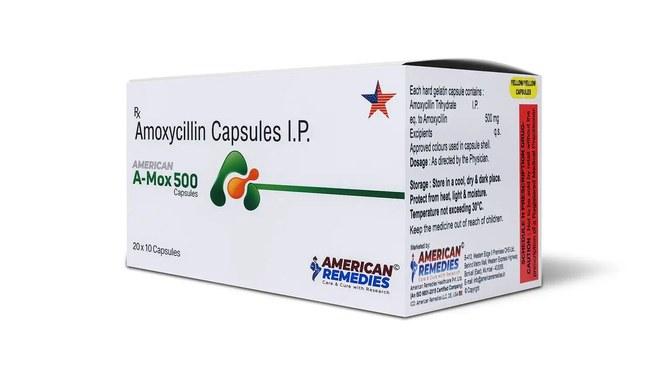
For patients currently managing a prescribed course, understanding the "why" behind sticking to the schedule can make adherence feel less like an arbitrary rule and more like an active choice with real consequences. If you're checking your current prescription against packaging details, you can look at the available dosage and pack information here to confirm everything matches what was prescribed.
This broader conversation about resistance also touches nearly every category of antibacterial treatment, not just one specific medication. Readers interested in understanding how different antibiotic classes are being used more strategically today can browse the full range of antibacterial treatment options to see how prescribing patterns have shifted across various infection types.
Antibiotic resistance isn't a distant, abstract problem reserved for hospitals and headlines — it's shaped by everyday decisions made by ordinary patients. Understanding the mechanism behind it turns what can feel like an overwhelming global issue into something genuinely actionable at the individual level, one completed course at a time.
 English
Join our community to interact with posts!