
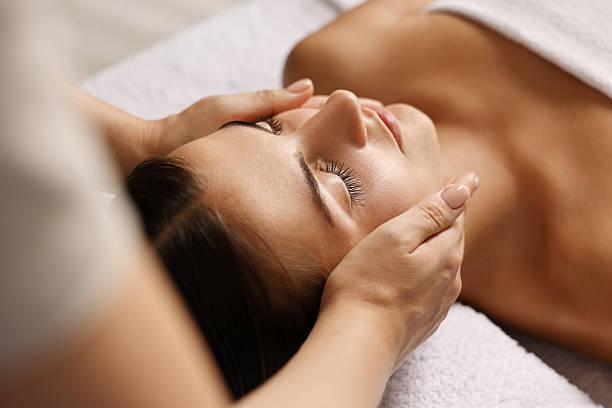
Booking a facial sounds simple until you're staring at a menu of ten different options and have no idea what half of them mean. Hydrating, brightening, deep cleansing, anti-aging... they all sound good. So people just pick whichever one sounds fanciest or cheapest, sit back, and hope for the best. That's where things go sideways. The wrong facial can irritate your skin, skip over the problem you actually wanted fixed, or just leave you feeling like you wasted an hour and sixty bucks. If you've been thinking about booking a Facial Service in Mandeville, LA, this guide will help you walk in knowing exactly what to ask for.
The Most Common Facial Types (And What They Actually Do)
Not all facials are built the same. Each one targets something specific, and knowing the difference saves you from a lot of trial and error.
A hydrating facial is basically a big drink of water for your face. It uses ingredients like hyaluronic acid, aloe, or ceramides to restore moisture to skin that feels tight, flaky, or dull. It won't do much for acne or deep wrinkles, but if your skin looks tired and flat, this one does a solid job fast. Deep cleansing facials go after clogged pores, blackheads, and excess oil. They usually include steam, exfoliation, and extractions. Pretty uncomfortable sometimes, but genuinely effective if you deal with congestion.
Anti-aging facials focus on fine lines, firmness, and skin texture. They often use peptides, retinol, or microcurrent technology to stimulate collagen and give the skin a lifted look. Brightening facials are different. They target uneven tone, dark spots, and that general lack of glow, usually with vitamin C, kojic acid, or light chemical exfoliation. And acne-focused facials combine antibacterial ingredients with extractions and calming treatments to reduce breakouts without making your skin angrier than it already was.
Figuring Out Your Skin Type First
Before you pick a facial, you need to be honest about your skin. Most people think they know their skin type but are actually a little off. Here's a quick way to check: wash your face with a gentle cleanser, don't apply anything, and wait 30 minutes. Then look in a mirror.
If your whole face looks shiny, you're oily. If it feels tight and looks flaky in patches, you're dry. If your forehead and nose are shiny but your cheeks feel normal or tight, that's combination. Sensitive skin usually shows up as redness, stinging, or irritation after products that work fine for everyone else. Normal skin is the lucky one. Balanced, not too oily, not too dry, minimal issues.
Oily and acne-prone skin does best with deep cleansing or acne-specific facials. Dry skin needs hydrating treatments. Sensitive skin should stick to gentle, fragrance-free facials with calming ingredients like oat extract or chamomile. Combination skin can sometimes benefit from multi-zone treatments where different areas get treated differently. Normal skin? Honestly, you've got options. A good esthetician can tailor almost anything to you. According to the American Academy of Dermatology, understanding your skin type is the foundation of any effective skincare routine, professional or otherwise.
Matching Specific Skin Concerns to the Right Treatment
Skin type and skin concerns aren't always the same thing. You can have oily skin and hyperpigmentation. Or dry skin with clogged pores. So it helps to think about both.
Clogged pores and blackheads respond well to steam and extractions, usually part of a deep cleansing facial. Hyperpigmentation, those stubborn dark spots from sun damage or old breakouts, is better addressed with brightening treatments that include exfoliating acids or vitamin C. Fine lines and loss of firmness are best handled by anti-aging facials with peptides or collagen-boosting technology. Redness and general sensitivity need calming facials, not anything aggressive. Dullness, that flat, tired look, is usually a hydration and circulation issue, so a hydrating facial with a good massage component helps a lot.
A good esthetician will ask about all of this before they start. If they don't, that's a red flag. You shouldn't be getting the same treatment as the person in the next room just because you booked the same slot.
What Actually Happens During a Professional Facial
A lot of people feel nervous about their first professional facial because they don't know what to expect. Here's the general flow. It's pretty consistent across most Facial Salon in Mandeville, LA locations.
It starts with a consultation. The esthetician looks at your skin, asks about your concerns, allergies, and any products you're using. Then comes cleansing, usually a double cleanse to remove makeup and surface buildup. After that, they'll often apply steam to soften the skin and open up pores. Exfoliation comes next, either a scrub or a mild chemical peel depending on your skin type. Then extractions, if needed. This is the part where they manually clear blackheads and clogged pores. It can sting a little, but a skilled esthetician keeps it manageable.
After extractions, they'll apply a mask suited to your skin, then finish with serums, moisturizer, and SPF. The whole thing usually runs 60 to 90 minutes. Your skin might look a bit red right after, especially if you had extractions. That's normal. It usually calms down within a few hours.
If you're in the area and looking for a place that walks you through the process properly, DeVibe Nail Lounge & Salon is one option people mention for personalized skin consultations alongside their facial services.
How Often Should You Get a Facial?
This is one of the most common questions, and the answer depends on your skin and your goals. Most estheticians recommend every four to six weeks. That roughly matches your skin's natural cell turnover cycle. But it's not a hard rule.
If you're dealing with active acne or trying to fade hyperpigmentation, you might want to go more frequently at first, maybe every two to three weeks, until things settle down. If your skin is generally healthy and you're just maintaining, once every six to eight weeks is fine. Sensitive skin types should space treatments out a bit more to avoid over-stimulating things.
Between sessions, the aftercare you do at home matters a lot. Keep it simple right after your facial. No active ingredients like retinol or exfoliating acids for 48 hours. Wear SPF every day, no exceptions. Stay hydrated. Skip heavy makeup for a day or two if you can. These small things genuinely extend how long your results last. A good Facial Salon in Mandeville, LA will give you specific aftercare instructions based on exactly what was done to your skin, not just a generic sheet.
And if you're unsure where to start, just book a consultation. Tell the esthetician what bothers you most about your skin and let them guide you. That conversation alone is worth more than any amount of online research. The second time you book a Facial Service in Mandeville, LA, you'll already know what worked and what to ask for next.
Frequently Asked Questions
Can I get a facial if I have active breakouts?
Yes, but you need to tell your esthetician upfront. Certain acne-focused treatments are designed specifically for active breakouts. The wrong facial, like a heavy extraction session on inflamed skin, can make things worse. An acne facial with antibacterial ingredients and gentle techniques is usually the right call.
How long do facial results last?
It depends on the treatment and your skin. Most people see results that last two to four weeks before their skin starts reverting to its usual behavior. That's why regular sessions matter. One facial is a nice treat. A consistent schedule is what actually changes your skin over time.
Should I wear makeup to my facial appointment?
You can, but you don't have to. The esthetician will remove it anyway as part of the cleansing step. Some people prefer to come with a clean face to save time. Either way works fine.
What's the difference between a spa facial and a medical-grade facial?
Spa facials focus on relaxation and general skin maintenance using cosmetic-grade products. Medical-grade facials, done in a dermatology or medspa setting, use stronger ingredients and devices. For most everyday skin concerns, a professional spa facial from a trained esthetician gets solid results without the clinical price tag.
Is it normal for my skin to break out after a facial?
Sometimes, yes. It's called a purge, and it can happen after a deep cleansing facial stirs up congestion that was sitting under the surface. It usually clears up within a week or two. If breakouts are severe or last longer than that, check back with your esthetician because something in the treatment may not have agreed with your skin.
 English
Join our community to interact with posts!