
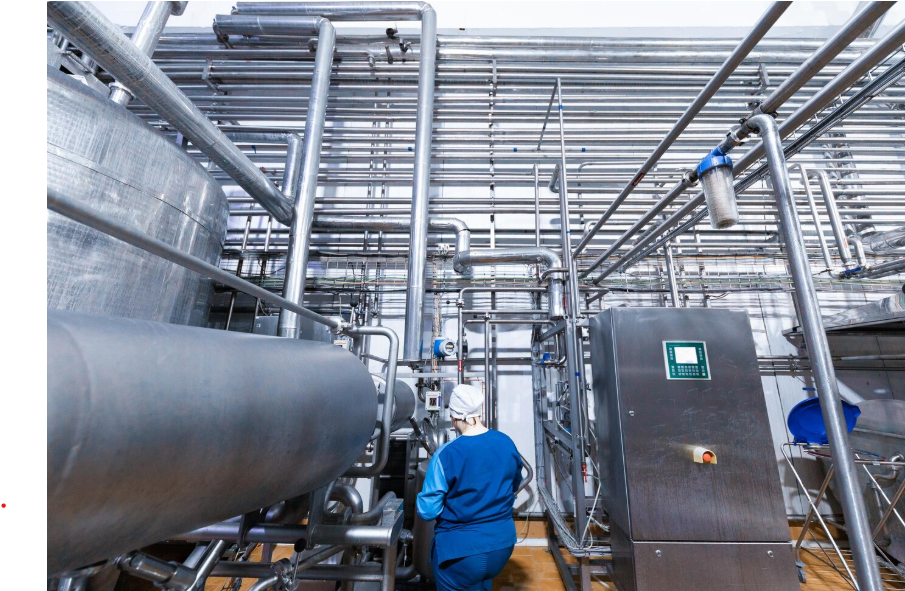
An SX2000 heat exchanger is designed to support effective heat transfer in industrial systems where reliable heating, cooling, and temperature control are essential. Heat exchangers are important components in many processing environments because they allow thermal energy to move between separate fluid streams without mixing them.
Modern industries are increasingly focused on energy efficiency, process stability, equipment reliability, and operating-cost management. An appropriately selected heat exchanger can contribute to these goals by improving thermal control and making better use of available energy.
Courtney & Nye provides industrial equipment solutions based on practical application requirements. Understanding the operating principles, benefits, applications, and selection considerations associated with an SX2000 heat exchanger can help businesses make informed decisions when evaluating thermal-management equipment and working with heat exchanger suppliers.
What Is an SX2000 Heat Exchanger?
An SX2000 heat exchanger is a thermal-transfer device used to move heat between two separate fluid streams. The fluids remain isolated from each other while thermal energy passes through a heat-transfer surface.
Depending on the process, one fluid may need to be cooled while the other is heated. This allows a single heat exchanger to perform an important role in maintaining desired process temperatures.
Heat-transfer performance depends on factors such as surface area, temperature difference, flow rate, fluid properties, and pressure conditions. Correct equipment selection is therefore essential for achieving the required thermal duty.
In industrial environments, heat exchangers may be exposed to continuous operation, changing process conditions, and demanding fluid characteristics. These factors should be considered during both equipment selection and system design.
How Does an SX2000 Heat Exchanger Work?
The basic principle of heat exchange is simple. Two fluids enter separate flow paths within the equipment. One fluid contains more thermal energy than the other, creating a temperature difference.
Heat naturally moves from the warmer fluid toward the cooler fluid through the separating heat-transfer surface. Because the fluid streams remain physically separated, the process can transfer energy without direct mixing.
The flow arrangement influences overall performance. Depending on the system configuration, the fluids may move in the same direction or in opposite directions. Counterflow arrangements can maintain a useful temperature difference along the heat-transfer path and may contribute to efficient thermal performance.
After passing through the exchanger, each fluid leaves at a different temperature and continues through its respective process circuit.
Benefits of an SX2000 Heat Exchanger
One of the primary benefits of an SX2000 heat exchanger is controlled thermal performance. Industrial processes often require precise temperatures to maintain product quality, protect equipment, or support efficient production.
Energy recovery is another important advantage. Heat that would otherwise be lost from a process stream can potentially be transferred to another stream that requires heating. This can help reduce unnecessary energy consumption.
Heat exchangers can also reduce the workload placed on separate heating and cooling systems. When thermal energy is transferred effectively, supporting equipment may not need to operate as intensively.
Reliable temperature management can further contribute to process stability. Consistent thermal conditions help industrial equipment operate closer to its intended parameters.
Applications of SX2000 Heat Exchangers
Heat exchangers can be used across many industrial sectors. An SX2000 heat exchanger may be suitable for processes requiring heating, cooling, temperature regulation, or thermal-energy recovery.
In manufacturing systems, heat-transfer equipment can help control process-fluid temperatures. Stable temperatures can be important for maintaining consistent production conditions.
Industrial cooling applications may use an exchanger to remove unwanted heat from a process stream. The transferred heat can then be carried away by a separate cooling medium.
In heating applications, thermal energy can be transferred from a hot source to a colder process stream. This can help bring the process fluid to its required operating temperature.
Heat recovery applications can provide additional efficiency benefits. Instead of allowing useful thermal energy to escape, the heat can potentially be redirected to another part of the process.
Factors to Consider When Selecting an SX2000 Heat Exchanger
Selecting a heat exchanger requires a detailed understanding of the process. The first consideration is usually the required heat-transfer duty. The equipment needs to provide sufficient capacity to achieve the desired heating or cooling performance.
Inlet and outlet temperatures should be reviewed carefully. The temperature difference between the two fluid streams has a major influence on the amount of heat-transfer area required.
Flow rate is another important factor. The exchanger should be capable of handling the required fluid volume while maintaining an acceptable pressure drop.
Operating pressure also needs to be considered. The equipment should be appropriate for the expected system pressure and potential operating variations.
Fluid properties can significantly affect equipment selection. Viscosity, chemical composition, cleanliness, corrosiveness, and suspended solids may influence thermal performance and maintenance requirements.
Installation conditions should also be evaluated. Available space, connection arrangements, accessibility, and future maintenance requirements can all affect the suitability of a particular heat exchanger.
Working With Heat Exchanger Suppliers
Choosing among heat exchanger suppliers requires careful evaluation of more than equipment availability. Application knowledge and technical support can be valuable when selecting equipment for industrial processes.
A suitable supplier should understand the importance of process information such as fluid type, flow rate, temperature, pressure, heat load, and installation requirements. These details help determine whether a particular exchanger is appropriate for the application.
Technical guidance can also help customers avoid common selection problems. An exchanger that is too small may not provide the required thermal performance, while excessive capacity may result in unnecessary equipment and operating costs.
Courtney & Nye focuses on application-based industrial equipment solutions. By understanding the operating environment and process requirements, we help customers evaluate thermal-management equipment according to practical needs.
Maintenance and Performance Monitoring
Regular maintenance is essential for preserving heat-exchanger performance. Over time, deposits and fouling may accumulate on heat-transfer surfaces, reducing thermal efficiency and increasing pressure drop.
Monitoring inlet and outlet temperatures can provide useful information about equipment performance. If the expected temperature difference changes significantly, the system may require inspection.
Pressure drop should also be monitored. An increase beyond normal operating conditions can indicate restrictions, fouling, or changes in flow conditions.
The maintenance schedule should reflect the application and fluid characteristics. Clean fluids may require less frequent attention, while demanding process streams may require more regular inspection and cleaning.
Preventive maintenance can help reduce unexpected downtime and support more consistent thermal performance.
Improving Energy Efficiency With Heat Transfer
Industrial energy efficiency depends partly on how effectively thermal energy is used throughout a process. Heat exchangers can help reduce energy losses by transferring heat between process streams.
An SX2000 heat exchanger can contribute to this approach when it is properly sized and integrated into the system. For example, heat from a warmer process stream may be transferred to a colder stream that requires heating.
This type of heat recovery can reduce the demand for additional heating energy. Similarly, efficient cooling can help reduce the workload on supporting equipment.
However, overall efficiency depends on the complete system. Pumping requirements, flow resistance, insulation, operating conditions, maintenance, and process control can all influence energy consumption.
Why Choose Courtney & Nye?
Courtney & Nye understands that industrial heat-transfer requirements differ from one application to another. Temperature, pressure, flow rate, fluid characteristics, heat load, and installation conditions must all be considered when evaluating equipment.
Our approach focuses on understanding the application before identifying an appropriate solution. This allows customers to evaluate heat-transfer equipment based on actual process requirements rather than relying solely on general specifications.
Whether a facility requires process heating, cooling, energy recovery, or temperature regulation, careful equipment selection can contribute to reliable operation and improved thermal efficiency.
Conclusion
An SX2000 heat exchanger can serve as an important part of an industrial thermal-management system by transferring heat between separate fluid streams. Properly selected equipment can support process temperature control, energy recovery, efficient operation, and long-term system reliability.
Before selecting a heat exchanger, businesses should evaluate heat load, temperatures, flow rates, pressure, fluid properties, installation limitations, and maintenance requirements. Working with knowledgeable heat exchanger suppliers can also help ensure that the selected equipment is aligned with actual operating conditions.
Courtney & Nye provides industrial equipment solutions with an application-focused approach. With appropriate selection, installation, and maintenance, an SX2000 heat exchanger can help industrial facilities achieve dependable heat-transfer performance while making more effective use of available energy.
 English
Join our community to interact with posts!