
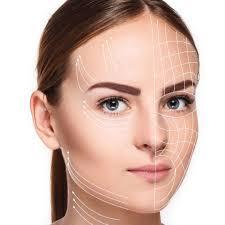
Choosing a facial rejuvenation treatment is not only about selecting a popular option. The condition of the skin, the degree of facial laxity, natural facial structure, and personal aesthetic goals can all influence whether a particular approach is suitable. Thread Lift in Dubai is often considered by individuals who want to improve facial contours and address early signs of tissue descent with a minimally invasive approach.
A thread-based treatment is designed to provide support beneath the skin in selected areas. Depending on the type of threads and the treatment plan, it may also encourage collagen-related activity that contributes to gradual improvements in skin firmness. However, not everyone has the same skin characteristics or facial concerns. Understanding the qualities of a suitable candidate can help create realistic expectations.
What Is Thread Lift in Dubai Designed to Address?
A thread lift is generally associated with mild to moderate changes in facial support. Over time, the cheeks may gradually appear less elevated, the lower face can become softer, and the jawline may lose some of its natural definition.
The treatment focuses on supporting selected tissues rather than dramatically changing the face. Carefully positioned threads can help improve the appearance of facial contours while preserving natural proportions.
Common concerns that may lead someone to consider this approach include:
Mild skin laxity, early tissue descent, reduced cheek support, softening around the lower face, and less visible jawline definition.
The level and location of these changes can influence whether thread-based treatment is an appropriate option.
Skin Elasticity Is an Important Factor
One of the main characteristics considered for Thread Lift in Dubai is skin elasticity. Skin with reasonable elasticity may adapt more effectively to the support created beneath the surface.
Elasticity refers to the skin's ability to stretch and gradually return to its natural position. When the skin still has a good degree of resilience, subtle repositioning may produce a smoother and more balanced appearance.
Why Firmness and Flexibility Matter
Thread-based lifting relies partly on the skin and underlying tissues adapting to their new support. If there is a significant amount of excess skin, additional support alone may not create the desired level of improvement.
For this reason, individuals with mild to moderate laxity are often more suitable for this type of facial contouring than those with advanced skin looseness.
The Degree of Facial Laxity Matters
Not all facial laxity develops at the same rate. Some people notice early softening around the cheeks or jawline, while others may experience more advanced tissue descent.
Thread Lift in Dubai may be considered when the changes are noticeable but not extensive. In these situations, targeted support may help improve facial definition.
Mild Laxity
Mild laxity may appear as subtle softening of the facial contours. The cheeks may seem slightly less supported, or the jawline may not look as clearly defined as before.
Thread-based support may help improve these early contour changes.
Moderate Laxity
Moderate laxity can involve more noticeable softening in selected areas. The lower face may begin to appear heavier, and the transition between the face and jawline may become less distinct.
A carefully planned approach may help provide additional support, depending on the skin characteristics and treatment goals.
Advanced Laxity
When there is significant excess skin or substantial tissue descent, a thread-based approach may not provide the same level of visible improvement. Other aesthetic approaches may be more suitable depending on the individual's concerns.
Natural Facial Anatomy Influences Suitability
Every face has a different structure. Bone shape, skin thickness, soft tissue distribution, and natural facial proportions all affect how aging changes become visible.
A good candidate for thread-based facial rejuvenation is not defined by one specific face shape. Instead, suitability depends on where additional support may create a balanced improvement.
For example, one person may have relatively good skin quality but notice early cheek descent. Another may be more concerned about lower-face contours and jawline definition.
The treatment approach should consider these differences rather than following the same pattern for everyone.
Realistic Aesthetic Goals Are Important
Thread lifting is generally associated with subtle to moderate facial enhancement. It may improve the appearance of tissue support and facial definition, but it is not designed to create a completely different face.
Individuals who understand this approach may have more realistic expectations about the potential outcome.
Natural Enhancement Rather Than Dramatic Change
A suitable goal may involve looking more refreshed, improving the appearance of the jawline, supporting the cheeks, or creating smoother facial transitions.
The focus is often on refinement rather than dramatic transformation.
Understanding Individual Results
The response to thread-based treatment can vary. Skin quality, facial anatomy, the degree of laxity, and the body's natural collagen response can all influence the visible outcome.
This is why no two treatment journeys are exactly the same.
Age Alone Does Not Determine Candidacy
There is no single age that automatically determines whether someone is or is not suitable for thread lifting. Two people of the same age may have very different levels of skin elasticity and facial tissue support.
A younger individual may experience early laxity because of genetics or facial structure, while an older person may still have skin characteristics that respond well to targeted support.
Instead of focusing only on age, it is more useful to consider the actual condition of the skin and the specific facial changes that have developed.
Which Facial Areas May Be Considered?
Thread-based treatment can focus on different regions depending on the individual's concerns.
Cheeks and Midface
Individuals who notice reduced midface support may explore thread-based techniques to improve the appearance of cheek elevation and facial balance.
Jawline
A softer jawline may result from changing skin elasticity and mild tissue descent. Targeted support may help improve the appearance of lower-face definition.
Lower Face
The lower face may develop subtle contour changes over time. Supporting selected tissues can contribute to a smoother and more refined appearance.
Brow and Upper Face
In selected cases, thread-based techniques may also focus on areas of the upper face where subtle support and contour refinement are desired.
The Importance of Skin Quality
Skin quality is different from skin laxity. A person may have mild laxity but also experience concerns related to texture, hydration, or overall skin resilience.
Healthy-looking skin can support a more balanced appearance after facial contouring. Factors such as collagen levels, sun exposure, skincare habits, and lifestyle may influence overall skin quality.
Certain thread materials can also encourage collagen-related activity, which may contribute to gradual changes in skin firmness over time.
However, individual biological responses can vary.
Who May Not Be an Ideal Candidate?
A thread-based approach may not be suitable for every facial concern. Individuals with significant excess skin or advanced tissue descent may require a different type of aesthetic approach to achieve the level of improvement they want.
Suitability can also depend on the specific treatment area and the individual's expectations.
The goal should be to choose an approach that aligns with the existing skin condition and the type of result being sought rather than expecting one technique to address every concern.
What Happens During the Suitability Assessment?
Before moving forward with Thread Lift in Dubai, several facial characteristics may be considered. These can include skin elasticity, the degree of visible laxity, facial proportions, tissue distribution, and the areas where additional support may be beneficial.
The individual's aesthetic goals are also important. Understanding whether the desired outcome involves subtle refinement or a more significant change can help determine whether a thread-based approach aligns with those expectations.
A personalized treatment plan may focus on the cheeks, jawline, lower face, or other selected areas according to individual needs.
How Collagen Response Can Influence the Outcome
One of the features associated with certain threads is their ability to encourage collagen-related activity in the surrounding tissues.
Collagen is an important structural protein that contributes to skin firmness and support. As the body responds to the thread material, gradual changes may develop.
The extent of this response varies between individuals. Factors such as age, skin quality, lifestyle, and natural biological processes may influence how the tissues respond over time.
This gradual process can complement the structural support created during the initial treatment.
A Good Candidate Often Seeks Balanced Improvement
The best approach to facial rejuvenation is often based on balance rather than trying to change every feature.
A suitable candidate for Thread Lift in Dubai may be someone with mild to moderate skin laxity, reasonable skin elasticity, and realistic expectations about the level of enhancement possible. The treatment can be particularly appealing to those who want to improve facial contours while preserving their natural appearance.
Cheek support, lower-face refinement, and jawline definition can all contribute to a fresher look when addressed according to individual facial proportions.
For individuals considering Thread Lift in Dubai, understanding skin quality, facial anatomy, and treatment goals is an important part of determining suitability. TAJMEELS CLNIC provides aesthetic treatment options for those seeking a personalized approach to facial contouring, skin support, and naturally refreshed facial definition.
 English
Join our community to interact with posts!