
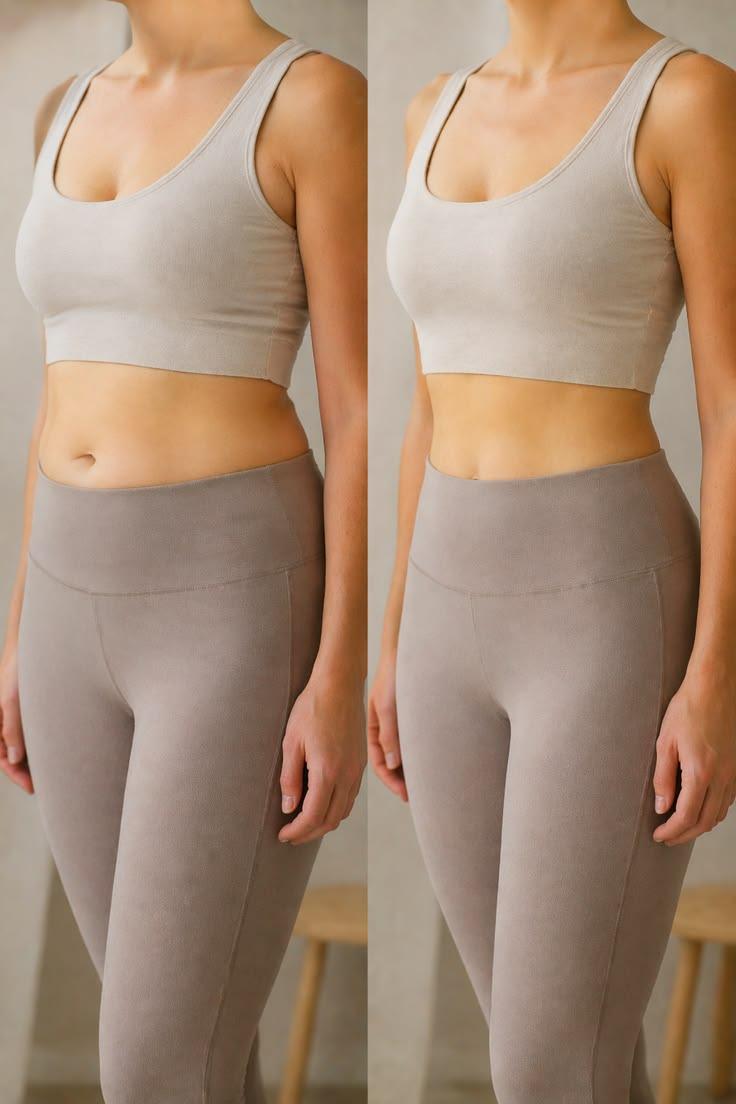
Pregnancy can leave changes that remain even after healthy eating, exercise, and postpartum weight loss. Loose abdominal skin, breast sagging, reduced breast volume, and stubborn fat can affect how a woman feels about her body. Mommy Makeover Dubai refers to an individualized combination of cosmetic procedures designed to address selected postpartum changes. Whether it is appropriate depends on health, anatomy, expectations, family plans, and the specific concerns a patient wants to improve.
When Postpartum Changes Become a Concern
Every woman's recovery after pregnancy is different. Some physical changes gradually resolve within months, while others may remain because pregnancy has permanently stretched or altered certain tissues.
The abdomen may develop excess skin that does not contract completely. Breast tissue may lose volume after pregnancy or breastfeeding, while the skin envelope may become less firm. Localized fat can also remain around the abdomen, waist, hips, or other areas despite reaching a stable weight.
These changes are not necessarily signs of poor lifestyle habits. Exercise can strengthen muscles and improve body composition, but it cannot remove substantial excess skin or reposition breast tissue.
The decision to consider surgery should therefore focus on the specific anatomical concern rather than simply on body weight.
Mommy Makeover Dubai: What Makes Someone a Potential Candidate?
Candidacy involves more than wanting a cosmetic improvement. A surgeon must determine whether the patient's health and circumstances make elective surgery reasonably appropriate.
Potential candidates generally have several characteristics:
- Stable body weight
- Good general health
- Realistic expectations
- Persistent concerns after pregnancy
- Adequate time available for recovery
- Understanding of possible surgical risks
- No current pregnancy
- Appropriate plans regarding future pregnancies
A stable weight is particularly relevant for body-contouring procedures. Significant weight loss after surgery can change the shape of the treated areas and may create additional skin laxity.
Future pregnancy should also be discussed because another pregnancy can affect the abdomen and breasts again.
How Do You Know Which Areas Need Treatment?
The most important question is not how many procedures can be performed. It is which physical changes actually require treatment.
A surgeon may divide concerns into several categories:
| Concern | What may be contributing to it | Possible surgical approach |
|---|---|---|
| Loose abdominal skin | Reduced skin elasticity | Abdominoplasty |
| Localized fat | Persistent fat deposits | Liposuction |
| Abdominal protrusion | Abdominal-wall changes | Assessment for repair |
| Breast sagging | Skin and tissue descent | Breast lift |
| Loss of breast fullness | Reduced tissue volume | Breast augmentation |
| Large or heavy breasts | Excess breast tissue | Breast reduction |
These are general possibilities rather than automatic recommendations.
For example, two women may both describe their abdomen as “loose,” but one may primarily have excess skin while another has localized fat and good skin elasticity. Their treatment plans would not necessarily be the same.
Evaluating Your Abdominal Contour
The abdomen is often one of the main areas assessed during consultation.
The surgeon may examine the amount of skin laxity, skin elasticity, fat distribution, existing scars, and abdominal-wall condition.
A tummy tuck may be considered when excess skin is a significant concern. The procedure removes selected skin and reshapes the abdominal contour. In appropriate cases, the abdominal wall may also be addressed.
Liposuction serves a different purpose. It targets localized fat rather than removing substantial loose skin.
Some patients may require a combination of techniques, while others may be better suited to a single procedure.
The goal is to match the technique to the actual anatomical problem.
Considering Breast Shape and Volume
Pregnancy can affect breast appearance in several ways. Breasts may become larger during pregnancy and later lose volume, while stretched skin can contribute to a lower breast position.
A breast lift focuses on elevation and reshaping. It may be appropriate when sagging is the primary concern.
Breast augmentation focuses on increasing volume. It may be considered when reduced fullness is more important than breast position.
When both concerns exist, a lift with augmentation may be discussed.
Breast reduction is another possibility for women who continue to experience excessive breast size or heaviness after pregnancy.
The appropriate procedure depends on breast anatomy, tissue quality, proportions, and personal goals.
Mommy Makeover Dubai: When Is the Timing Appropriate?
Timing can influence the predictability of surgical planning.
Immediately after childbirth, the body may still be changing. Breast size and shape can fluctuate during breastfeeding, and postpartum weight may continue to decrease.
Allowing pregnancy-related changes to stabilize can make it easier to assess the actual amount of excess skin, fat, or breast-tissue changes.
Future pregnancy also matters. Women who expect to become pregnant again should discuss this before scheduling surgery.
There is no single recovery period that applies to everyone. A qualified surgeon can assess whether the body has reached an appropriate stage for elective treatment.
What Happens During the Consultation?
A consultation should be more than a discussion about desired appearance. It should provide an opportunity to assess health, anatomy, expectations, and surgical options.
The surgeon may review:
- Pregnancy and breastfeeding history
- Current and previous body weight
- Medical history
- Previous surgeries
- Medication and supplement use
- Smoking or nicotine exposure
- Abdominal and breast anatomy
- Future pregnancy plans
- Desired changes
- Recovery circumstances
The surgeon can then explain which procedures may address the identified concerns.
In our clinical experience, patients benefit when treatment decisions are based on the cause of a cosmetic concern rather than simply choosing procedures because they are commonly associated with postpartum surgery.
Preparing for the Operation
Once a treatment plan has been established, preparation becomes the next stage.
Patients may receive instructions regarding medications, supplements, smoking, nutrition, eating and drinking before anesthesia, and preoperative testing.
Any medication changes should be made only according to medical instructions.
Practical planning is equally important. Recovery may temporarily limit lifting, driving, exercise, bending, and household activities.
Women with young children may need someone available to help with childcare and lifting responsibilities during the initial healing period.
Preparing this support in advance can make recovery more manageable.
What Should You Expect During Recovery?
Recovery depends on the procedures performed and the extent of surgery.
Abdominal procedures can cause temporary tightness and discomfort when standing, bending, or changing position. Breast procedures may make certain upper-body movements uncomfortable.
Swelling, bruising, tenderness, fatigue, and temporary changes in sensation can occur.
What patients typically report during recovery is that symptoms usually change gradually rather than disappearing suddenly. Early healing may feel demanding, followed by progressive improvement in mobility and comfort.
The surgeon determines when individual activities can safely resume. Patients should avoid comparing their recovery with another person's experience because surgical combinations and healing responses differ.
Understanding the Risks Before Surgery
A mommy makeover involves surgical risks that should be discussed openly before treatment.
Potential complications include:
- Infection
- Bleeding
- Hematoma
- Seroma
- Delayed wound healing
- Unfavorable scarring
- Changes in sensation
- Asymmetry
- Contour irregularities
- Blood clots
- Anesthesia-related complications
- Revision surgery
The risk profile can differ depending on the procedures selected.
Combining several operations may increase surgical complexity, so the surgeon must determine whether the proposed combination is appropriate for the individual patient.
Current evidence suggests that careful patient selection, appropriate surgical planning, and postoperative monitoring are important components of safe elective cosmetic surgery.
What If You Are Not Ready for Surgery?
Not every woman who wants postpartum body contouring needs to proceed immediately.
Surgery may be better postponed when weight is still changing significantly, breastfeeding-related changes have not stabilized, another pregnancy is planned soon, or a health issue requires attention.
There may also be situations where expectations need further discussion.
Cosmetic surgery cannot recreate a previous body exactly or eliminate every visible effect of pregnancy. The purpose is to produce a reasonable improvement while respecting the patient's anatomy and surgical limitations.
Taking more time to understand these boundaries can lead to a more informed decision.
How Long Can the Results Last?
The improvement from body-contouring surgery can be long-lasting, but it is not completely protected from future changes.
Major weight fluctuations can affect body contour. Pregnancy can stretch abdominal tissues and change breast volume or position. Aging will also continue to influence skin elasticity and tissue shape.
Maintaining a relatively stable weight and following healthy lifestyle habits can help support the surgical result.
However, no procedure can stop the normal biological changes that occur over time.
Mommy Makeover Dubai: When May Another Approach Be Better?
A combination procedure is not automatically the best option.
For some patients, one operation may address the primary concern sufficiently. Others may benefit from staged procedures rather than having several areas treated during one operation.
The surgeon may recommend delaying or separating procedures when doing so offers a more appropriate balance between expected benefits and surgical demands.
This individualized approach is particularly important when a patient has medical risk factors, limited recovery support, or extensive treatment goals.
The safest plan is not necessarily the most extensive one.
Frequently Asked Questions
Is a mommy makeover suitable for everyone after pregnancy?
No. Candidacy depends on health, weight stability, anatomy, expectations, future pregnancy plans, and the specific changes that need treatment.
Can exercise eliminate loose skin after pregnancy?
Exercise can strengthen muscles and support overall fitness, but substantial excess skin generally cannot be removed through exercise alone.
Do I need multiple procedures?
Not necessarily. Some women may achieve their desired improvement with one procedure, while others have concerns affecting multiple areas.
Can another pregnancy change the results?
Yes. Pregnancy can alter abdominal and breast tissues and may affect the outcome of previous cosmetic surgery.
Does surgery remove all signs of pregnancy?
No. Surgery can improve selected concerns, but it cannot guarantee complete removal of stretch marks, scars, or every physical change associated with pregnancy.
Making a Thoughtful Decision
Deciding whether to undergo postpartum cosmetic surgery requires consideration beyond appearance. Health, timing, family plans, recovery support, surgical risks, and realistic expectations all have a place in the decision.
Mommy Makeover Dubai may be appropriate for carefully selected women who want to improve persistent changes following pregnancy and have a clear understanding of what surgery can and cannot accomplish. If you are considering treatment, consultation with a qualified plastic surgeon can help determine whether you are a suitable candidate and which approach best fits your individual needs.
 English
Join our community to interact with posts!