
If your knee has been grinding, swelling, or just aching in that deep, dull way that won't quit, you've probably looked into every option short of surgery. Most people eventually stumble across decompression therapy and immediately wonder: what is this actually doing to my knee? Not the brochure version. The real version. The thing is, most patients skip this treatment not because it sounds bad, but because they don't understand the mechanics, and uncertainty is enough to make anyone hesitate. If you're in the Long Island area and want to understand what you're getting into before you book anything, Knee on Trac Therapy in Rockville Centre NY is worth looking at closely. This article breaks down exactly what happens inside the joint, session by session.
The Basic Mechanics: What "Decompression" Actually Means
Your knee joint is under load almost constantly. Standing, walking, climbing stairs, even sitting with poor posture can compress the joint surfaces together. Over time, that compression squeezes out synovial fluid, the joint's natural lubricant, and reduces the space cartilage needs to stay healthy. Decompression therapy works by mechanically pulling the joint surfaces apart. Not aggressively. Gently, in a controlled way.
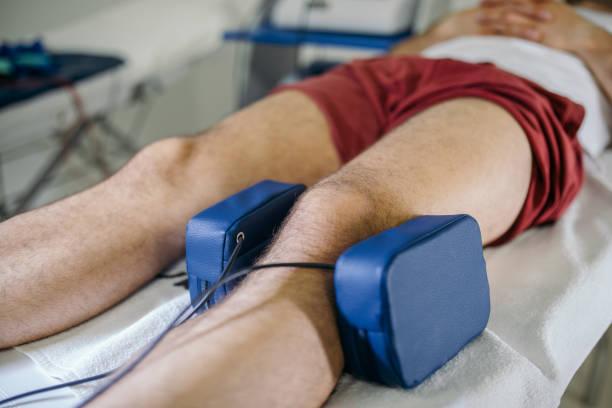
The Knee on Trac device is the specific tool used for this. It straps around the lower leg and uses a pneumatic system to create a gentle distractive force on the joint. Think of it like slowly pulling a suction cup off a table. That separation creates a brief zone of negative pressure inside the joint space. Fluid gets drawn back in. Nutrients reach cartilage that's been starved of them. That's the whole point.
Cartilage doesn't have its own blood supply, which is a big reason knee injuries heal so slowly. It depends on this fluid exchange to get nutrients in and waste products out. According to research on articular cartilage physiology, mechanical loading and unloading cycles are what drive that fluid movement. Decompression therapy is essentially forcing that cycle to happen in a joint that's too compressed to do it on its own.
Which Conditions Actually Respond to This
Not every knee problem is the same. But a handful of conditions tend to respond pretty well to this approach.
-
Osteoarthritis: The most common one. Joint space narrows, cartilage wears thin, bone starts rubbing. Decompression won't regrow cartilage, but it can reduce the compression that's making things worse and give what's left a better environment.
-
Meniscus irritation: The meniscus sits between your femur and tibia and acts as a shock absorber. Chronic compression keeps it from recovering between activities. Pulling the joint apart gives it some breathing room.
-
Post-injury joint compression: After a sprain, fall, or athletic injury, swelling and scar tissue can leave the joint feeling tight and compressed even after the initial injury heals. Decompression helps address that residual tightness.
-
General stiffness and reduced range of motion: If your knee won't fully straighten or bend without pain, that often comes from compression-related changes in the joint space.
Knee Decompression Therapy in Rockville Centre NY is most commonly sought out by adults over 45, but younger patients with sports injuries or early-stage joint deterioration use it too. Honestly, age matters less than the specific diagnosis.
What a Session Actually Looks and Feels Like
Here's where people get a little surprised. It's quieter and more straightforward than most people expect. No needles, no cracking, no dramatic anything.
You sit or recline in a chair with your leg extended. The technician or chiropractor fits the Knee on Trac device around your lower leg and knee. It's padded. Not uncomfortable. The device then applies that slow, steady pull, usually somewhere between 15 and 30 pounds of distractive force depending on your size and condition. Most people feel a gentle stretching sensation, sometimes a little pressure relief almost immediately. Sessions typically run 15 to 20 minutes.
Afterward, some people feel lighter in the joint. A bit of looseness that wasn't there before. Others feel mild soreness the first time or two, similar to the feeling after a good stretch when you've been stiff for a while. That soreness usually fades quickly. Most practitioners will also do soft tissue work or therapeutic exercise alongside the decompression to get better results from the session.
How Many Sessions Before You Notice a Difference
This is probably the most common question. And the honest answer is: it varies. A lot.
Most patients start noticing something, less stiffness in the morning, better range of motion, reduced aching after walking, somewhere between the third and sixth session. A full course of treatment is usually 12 to 20 sessions, spread over several weeks. Some people feel significant relief faster. Others need more time, especially if the joint deterioration is advanced or if they've had previous surgeries that changed the tissue structure.
Factors that slow progress include being significantly overweight (more load on the joint between sessions), not doing the recommended home exercises, and continuing activities that aggravate the knee without modification. Factors that speed things up include starting earlier in the disease process, staying consistent with appointments, and combining the therapy with other conservative care. Robert Gerov Media has covered cases like this in health content work, noting that patient compliance with the full course is usually the biggest variable in outcomes.
How It Compares to Other Options
People researching this are usually also looking at cortisone shots, physical therapy, and surgery. Worth comparing them honestly.
Cortisone injections can reduce inflammation fast. But they don't fix the underlying compression, and repeated injections can actually degrade cartilage over time. They're useful for flare management, not long-term structural improvement. Physical therapy is excellent and should honestly be part of any knee treatment plan, but on its own it doesn't mechanically decompress the joint. Strengthening the muscles around a compressed joint helps, but it doesn't address what's happening inside the space itself.
Surgery, specifically total knee replacement, is sometimes the right call. But it's a major procedure with a long recovery, real risks, and not always the outcome patients expect. Knee Decompression Therapy in Rockville Centre NY is often used as a bridge, something patients try before committing to surgery, and a good number of them find they don't need the surgery after all. That's not a guarantee. But it's a legitimate reason to try a non-invasive option first.
Knee on Trac Therapy in Rockville Centre NY sits in a category of treatments that doesn't require recovery time, doesn't involve drugs or injections, and can be combined with other conservative approaches. That flexibility makes it worth a serious look before you go under the knife.
Frequently Asked Questions
Is knee decompression therapy painful?
Most people don't find it painful at all. The sensation is closer to a gentle pull or stretch. First-timers sometimes feel mild soreness afterward, but that usually clears up within a day. If something feels wrong during a session, the practitioner adjusts the settings or stops.
Can I do decompression therapy if I've already had knee surgery?
It depends on the type of surgery and how long ago it was. Some post-surgical patients do very well with this therapy. Others need to wait until healing is complete. Your provider will review your surgical history before starting. Don't skip that conversation.
How is the Knee on Trac device different from regular traction?
Standard traction is typically applied to the spine. The Knee on Trac system is designed specifically for the knee joint, with a calibrated pneumatic mechanism that can apply precise, repeatable force to that specific joint space. It's a lot more targeted than a generic stretch or manual traction.
Will insurance cover knee decompression therapy?
Coverage varies a lot by plan and provider. Some insurance plans cover it when it's part of a chiropractic or physical medicine plan. Others don't. Call your insurance company before your first appointment and ask specifically about decompression therapy billing codes. Don't assume either way.
How do I know if I'm a good candidate?
A good starting point is a proper evaluation from a chiropractor or orthopedic provider who offers this treatment. They'll look at imaging, your symptom history, and your overall health to figure out if decompression is likely to help. Conditions like active infection in the joint, certain fractures, or severe vascular issues near the knee may rule it out. But for most people with chronic compression-related knee pain, it's at least worth the conversation.
 English
Join our community to interact with posts!