
Effective parasite control isn't just about choosing the right medication — how that medication is stored, handled, and administered plays a real role in whether it works as intended. Improper storage can degrade active ingredients, reduce potency, and ultimately undermine an entire deworming program.
Why Storage Conditions Matter
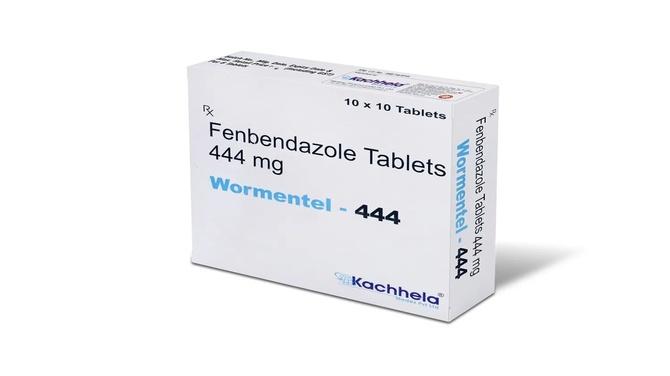
Anthelmintic compounds, including the fenbendazole formulated in products like Wormentel 444 mg, are chemically stable under the right conditions but can degrade when exposed to heat, moisture, or direct sunlight over time. Manufacturer guidance for this particular formulation recommends storage between 15-30°C, away from direct light and humidity — conditions that are easy to overlook in farm settings where medications sometimes end up stored in barns, trucks, or outbuildings with fluctuating temperatures. A product that's been compromised by poor storage may not deliver its full intended dose, even when administered correctly, which can look like treatment failure when the real issue is degraded potency.
Shelf Life and Expiration Awareness
Anthelmintic tablets typically carry a shelf life of two to three years from the date of manufacture, but that timeline assumes proper storage conditions throughout. Tracking expiration dates matters for two reasons: using expired medication risks reduced efficacy, and in a herd management context, dosing an animal with an under-potent product can contribute to the same under-dosing problem that drives anthelmintic resistance over time. Keeping a simple log of purchase dates, expiration dates, and storage locations helps prevent expired stock from being used inadvertently, especially on operations managing multiple medications across different treatment schedules.
Packaging and Handling Best Practices
Blister packaging, the format used for many tablet-based anthelmintics, offers some inherent protection against moisture and contamination compared to loose storage, but it's not immune to damage from crushing, punctures, or prolonged heat exposure. Keeping original packaging intact until the point of administration, rather than transferring tablets to unlabeled containers, also reduces the risk of dosing errors — a genuine concern on farms managing several different medications within the Anti-Worms category or across other treatment classes simultaneously.
Dosing Accuracy Starts Before Administration
Correct storage supports correct dosing, but administration itself requires care too. Because anthelmintic dosing is calculated by body weight — for example, differing recommendations for sheep and goats versus cattle and horses — accurate weight estimation before treatment is essential. Underestimating an animal's weight leads to under-dosing, which, beyond reducing treatment effectiveness for that individual animal, contributes to the broader resistance concerns discussed in herd-level parasite management. Overestimating weight, on the other hand, can expose an animal to unnecessarily high drug levels. Scales or standardized weight tapes, rather than visual estimation, produce more reliable dosing outcomes.
Safe Handling for Farm Workers
Basic handling precautions matter for the people administering treatment as well. Washing hands after handling tablets, avoiding contact with broken or crushed medication, and keeping products away from areas accessible to children or unintended animals are standard practices across veterinary medication handling generally. Farms managing multiple animals and multiple treatment schedules benefit from a designated, secure storage area rather than keeping medications scattered across different work areas.
Disposal Considerations
Expired or unused anthelmintic medication shouldn't simply be discarded with regular waste or poured into drains, since pharmaceutical compounds can affect water systems and wildlife. Many regions have specific guidance or take-back programs for veterinary pharmaceutical disposal, and checking local regulations is worth the extra step compared to informal disposal.
Working Storage Practices Into a Broader Management Plan
Storage and handling aren't separate from the herd health strategies discussed elsewhere — they're part of the same system. A well-timed deworming schedule, accurate weight-based dosing, and rotation between drug classes to manage resistance all depend on the medication actually being at full potency when it's administered. Sourcing products like Wormentel 444 mg through a reliable supplier such as IverCares is one part of that chain, but proper storage from delivery through to administration closes the loop.
The Takeaway
Good parasite management depends on more than picking an effective compound — it depends on that compound arriving at the animal at full strength. Attentive storage conditions, expiration tracking, accurate weight-based dosing, and safe handling practices together protect both treatment effectiveness and the people responsible for administering it.
 English
Join our community to interact with posts!