
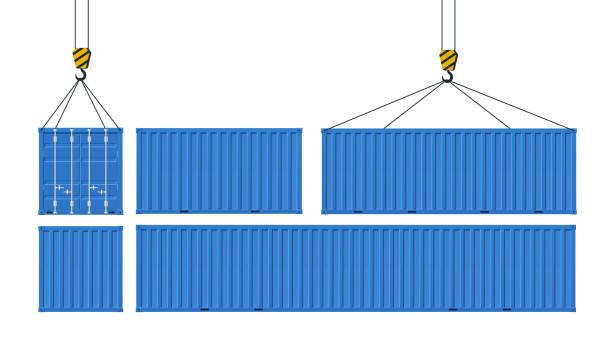
Alright, let's just get into it. If you've been Googling "shipping containers for sale miami" for the past week and getting a headache from all the conflicting info out there, you're not alone. I've talked to enough contractors, small business owners, and regular homeowners in South Florida to know the questions are pretty much always the same. How much do these things cost. Are used ones actually safe. Will it survive a hurricane season without turning into a rust bucket. Fair questions, honestly.
Miami's a weird market for this stuff because there's so much demand — construction is booming, warehouses are packed, and half the retail stores in the city need somewhere to keep overflow inventory that isn't their actual sales floor. So containers have become this go-to solution, and not just for shipping goods overseas anymore. People are buying them for backyard storage, job sites, even converting them into little offices. It's a whole thing now.
What Actually Determines The Price Of A Container
People want a straight number and I get it, but it doesn't really work that way. Price swings based on size (20ft vs 40ft vs the high cube versions), whether it's new or used, and honestly just where you are in Miami since delivery isn't free and distance adds up quick. A new one-trip container — meaning it basically made one journey overseas and back — is gonna run you more than a used one that's been through a few rounds of freight work. Makes sense, right.
Used containers get a bad rap sometimes, like people assume "used" means "beat up." Not necessarily true. A properly inspected used container can be perfectly wind and water tight, structurally sound, ready to go. The trick is making sure whoever you're buying from actually checks these things before it lands on your property, not after you complain about a leak six months in. Ask questions. Ask for proof of inspection if you can. It's your money.
20ft, 40ft, Or High Cube — Which One Do You Even Need
This is where a lot of people overthink it or underthink it, one of the two. A 20 footer works great if you're a homeowner needing extra space for tools, seasonal stuff, or you run a smaller operation and don't need a warehouse's worth of room. It's compact, easier to place on a property, and usually cheaper to move around if you ever need to relocate it.
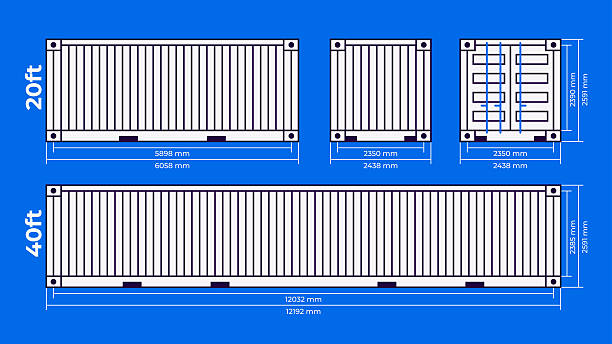
The 40ft option is more for the bigger jobs — commercial inventory, industrial supplies, warehouse overflow, that kind of thing. And then there's the 40ft high cube, which just adds an extra foot of height. Doesn't sound like much until you're trying to stack pallets or store bulky equipment and suddenly that extra twelve inches matters a whole lot. If you're not sure which fits your situation, honestly just describe what you're storing to whoever you're buying from. A decent supplier will steer you toward the right size instead of pushing whatever's sitting on the lot.
Why Miami's Climate Actually Changes The Equation
I'll be blunt — Miami is rough on equipment. The humidity alone will mess with anything that isn't built for it, and then you throw in the salt air near the coast, the sun beating down all summer, and those sudden downpours that seem to come outta nowhere. A cheap or poorly maintained container is not gonna hold up long in these conditions.
That's why the steel matters. Corten steel, specifically, holds up better against corrosion than standard steel, and it's what most reputable sellers use for containers in this market. You also want wind and water tight seals, solid locking doors (theft happens, unfortunately), and flooring that can take moisture without rotting out from underneath your stuff. None of this is optional if you're serious about protecting whatever you're storing — could be tools, could be a season's worth of retail inventory, could be your grandmother's furniture while you renovate the house.
Buying Versus Leasing — Nobody Talks About This Enough
Here's something that doesn't get mentioned enough when people search for shipping containers for sale Miami: sometimes buying isn't even the right move. If you need storage for a three month construction project and then you're done, why would you drop the full purchase price on a container you'll only use once? Leasing exists for exactly this reason, and it's honestly underused by a lot of folks who just default to buying because that's what they think they're supposed to do.
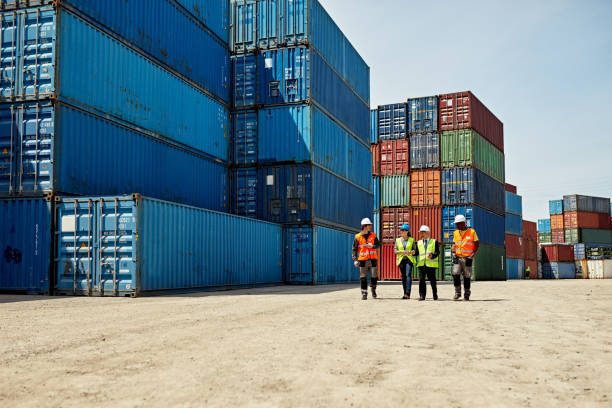
Leasing gets you the same secure, weather-resistant container, minus the big upfront cost. Construction companies do this constantly. So do event planners, retailers dealing with seasonal inventory spikes, and businesses expanding into a new space temporarily. Then when the project wraps, you hand the container back instead of trying to sell it yourself later, which — trust me — is its own headache nobody wants to deal with.
What About Storage Containers Tampa — Is It The Same Deal?
Good question, and yeah, mostly. If you're over on the Gulf side searching for storage containers Tampa instead of Miami, the fundamentals don't really change. Same climate concerns really — humidity, storms, that thick Florida heat — so you still want that same corten steel construction and weather tight sealing. Tampa's got its own mix of industries leaning on containers too: construction sites all over the metro, retail businesses needing extra inventory space, plus a decent chunk of agricultural operations in the surrounding areas that need secure storage for equipment and supplies.
The pricing conversation is basically identical too. Size, condition, delivery distance — those three things drive the cost whether you're in Miami or Tampa or anywhere in between. If a company services both markets, that's actually a decent sign they've got the logistics figured out and aren't just some fly-by-night operation working out of one lot. Worth asking directly if delivery to Tampa is something they handle, because not everybody does.
The Used Container Question Everyone Asks
I said it above but it deserves its own space because people worry about this a lot, and rightfully so — nobody wants to pay for storage container and get a lemon delivered to their driveway. Used doesn't mean damaged. It means the container has done work before, which honestly it was built to do. Shipping containers are constructed to survive ocean crossings, stacking, rough handling at ports. They're tough by design.
What you want confirmed before buying is structural integrity (no major dents or rust-through), doors that seal and lock properly, and a floor that hasn't been compromised by moisture over the years. A reputable seller inspects every unit before it goes out, not just a quick glance but an actual check. If a company can't tell you how their inspection process works, that's kind of a red flag honestly. Ask them straight up.
Delivery, Placement, And The Stuff Nobody Thinks About Until It's A Problem
Okay so you picked your size, you decided buy or lease, you found a seller you trust. Now what? Delivery logistics matter more than people expect. You need clear access for a truck, usually a flatbed with hydraulic tilt or a roll-off system depending on the company, and enough space to actually set the container down level. If your property's got tight access — narrow driveway, low hanging trees, whatever — mention that upfront. Nothing worse than a truck showing up and realizing it can't maneuver.
Ground surface matters too. You want something relatively flat and stable, ideally not just dirt that turns to mud the first time it rains (and in Miami, it will rain). Some people pour a small concrete pad or use gravel, others just use existing pavement if they've got it. Either way, worth thinking about before delivery day, not during it.

Industries That Lean On Containers The Most Around Here
Construction's probably the biggest one — job sites need secure storage for tools and materials, and a container just makes sense versus renting a separate storage unit across town. Retail businesses use them for overflow inventory, especially seasonal stuff that doesn't fit the sales floor year round. Then you've got industrial and agricultural operations storing equipment, supplies, sometimes even converting units into functional workspace onsite.
Residential use has grown a lot too, honestly more than people realize. Homeowners doing renovations, people who just need long term extra storage without renting an offsite unit forever, folks converting containers into workshops or backyard studios. It's not just a commercial thing anymore, not even close.
Bottom Line — What To Actually Do Next
Look, if you've made it this far, you probably already know a container is the right move for whatever you've got going on. The remaining question is just execution — who to buy from, what size fits, new or used, buy or lease. My advice, for whatever it's worth: talk to an actual person at whatever company you're considering, ask about their inspection process if you're going used, get a real quote instead of guessing off some generic price list online, and confirm they actually deliver to your area whether that's Miami proper or you're further up toward storage containers Tampa territory.
Don't rush it just because you're in a hurry to solve a storage problem today. A good container should last you years, sometimes decades if it's maintained right, so a little extra time upfront picking the right size and the right seller pays off way more than it costs you in patience. And if a company's pushing you hard toward the most expensive option without asking a single question about what you actually need first — that's usually a sign to keep looking.
Frequently Asked Questions
How much do shipping containers for sale in Miami typically cost?
It depends on size, condition, and delivery distance. New one-trip containers cost more than used ones, and prices shift depending on where in Miami you need it delivered. Most reputable sellers will give you a free quote rather than a flat listed price, since so much depends on your specific situation.
Are used shipping containers actually safe to buy?
Yes, as long as they've been properly inspected. Used doesn't mean unsafe — it means the container has already done work. What matters is structural integrity, sealed doors, and a floor that hasn't taken on moisture damage. Always ask about the inspection process before buying.
Is there a difference between storage containers Tampa and Miami options?
Not really in terms of what you need. Both markets deal with humidity, heat, and storm season, so the same corten steel, weather-tight construction applies either way. The main difference is just delivery logistics and whether your seller actually services both areas.
Should I buy or lease a container?
Depends on timeline. Short-term projects — a few months of construction, a seasonal inventory spike — usually make more sense to lease. If you need long-term or permanent storage, buying tends to be the better value over time.
What size container do I need?
A 20ft container works fine for homeowners and smaller businesses. A 40ft or 40ft high cube suits commercial, industrial, or agricultural operations needing more volume or height. If you're unsure, describe what you're storing to your supplier and let them help you size it correctly.
 English
Join our community to interact with posts!