
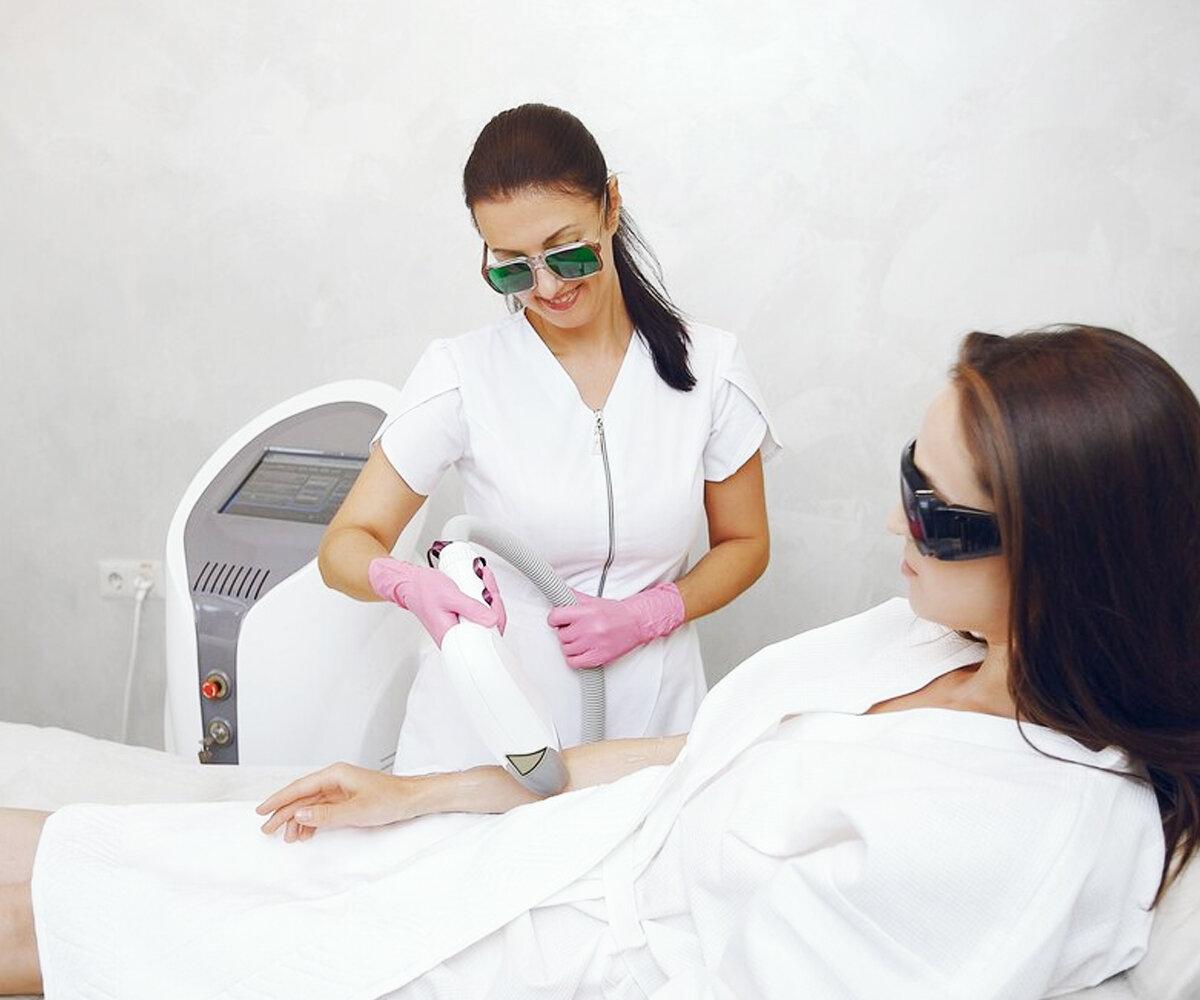
For people tired of repeating shaving, waxing, or threading, long-term hair reduction can be an appealing option. Laser Hair Removal in Dubai works by directing controlled light energy toward the pigment in unwanted hair, gradually affecting the follicles responsible for hair growth. However, one important question remains: how long can the results last?
The answer is different for everyone. Hair color, thickness, skin tone, treatment area, hormonal changes, genetics, and the number of completed sessions can all influence how long reduced hair growth remains noticeable. Understanding these factors can help you develop realistic expectations before beginning treatment.
How Long Can Laser Hair Removal in Dubai Results Last?
Laser hair treatment is generally considered a long-term hair reduction method rather than a guarantee of permanent removal. After completing a suitable series of sessions, many people experience significantly slower and lighter hair regrowth.
Some treated areas may remain relatively smooth for extended periods, while small amounts of new growth can eventually appear. This does not necessarily mean that the previous treatment was unsuccessful.
Hair follicles can respond differently, and natural hormonal or biological changes may stimulate additional growth over time.
Why Hair Does Not Disappear Permanently After One Session
Hair follicles naturally follow different growth cycles. Some hairs are actively growing while others are in transitional or resting phases.
Laser energy is most effective when the hair is in a suitable active growth stage. Because all follicles are not active simultaneously, a single appointment cannot target every hair equally.
This is why a series of treatments is generally required. Each session provides an opportunity to target additional follicles as they enter an appropriate stage of growth.
Understanding the Hair Growth Cycle
The hair growth cycle is one of the main reasons results develop gradually. After a session, some treated hairs may shed while other follicles continue producing hair.
With repeated treatments, more follicles can be targeted during their active phase. This can progressively reduce visible hair density.
The timing between appointments is therefore important because sessions are usually planned around the natural growth pattern of the treatment area.
Factors That Affect How Long Results Last
Several factors can influence the duration of hair reduction. One of the most important is the natural characteristics of the hair.
Thicker, darker hair may respond differently from fine or lightly pigmented hair. The treatment area can also make a difference because facial and body hair often have different growth patterns.
Hormonal activity is another factor. Changes that influence hair growth can contribute to new hair appearing after a course of treatment.
Lifestyle and sun exposure may also affect how the skin looks throughout the treatment journey, although they do not determine hair growth alone.
The Importance of Completing the Recommended Sessions
Stopping treatment after only one or two appointments may not provide the level of reduction expected from a complete treatment course.
Because follicles are active at different times, multiple sessions allow more of them to be addressed.
As treatment progresses, you may notice changes such as slower regrowth, finer hairs, and lower overall density.
Completing the planned sessions can therefore be an important part of achieving longer-lasting hair reduction.
Maintenance Sessions May Be Helpful
Even after completing an initial series, occasional maintenance treatments may be useful. New growth can occur naturally because some follicles may become active later.
Maintenance does not necessarily mean that the original treatment failed. It can simply be part of managing long-term hair growth.
The frequency of maintenance sessions varies between individuals. Some may require them occasionally, while others may notice minimal regrowth for longer periods.
Which Areas May Show Different Results?
Hair growth is not uniform throughout the body. Facial areas can behave differently from the legs, arms, underarms, or back.
Facial hair may be more influenced by hormonal changes, which can make maintenance more relevant for some individuals.
Underarm and bikini hair can also have different thickness and growth patterns compared with finer hair on other parts of the body.
The treatment plan should therefore take the specific area into account rather than assuming that every body region will respond identically.
Does Hair Color Affect Long-Term Results?
Hair pigment plays an important role in laser treatment because the energy is absorbed by pigment within the hair.
Dark, strongly pigmented hair can respond differently from very light, blonde, grey, or fine hair.
Individuals with lower-pigment hair may experience a different degree of reduction because there is less pigment for the laser energy to target.
This is one reason why expectations should be based on individual hair characteristics rather than general claims about how long results will last.
Does Skin Tone Influence Treatment?
Skin tone is also considered when planning laser hair reduction. The skin contains melanin, and different levels of pigmentation can influence how laser energy interacts with the treatment area.
Modern laser technologies can be adapted for various skin tones, but appropriate treatment settings remain important.
Recent tanning can also temporarily alter skin pigmentation and sensitivity. Protecting the skin from excessive sun exposure before and after treatment can therefore be an important part of the overall process.
How to Support Longer-Lasting Results
Following a consistent treatment schedule is one of the most useful ways to support progressive hair reduction.
Avoiding waxing or plucking between sessions may also be recommended because these methods remove the hair from the follicle. Shaving can generally be used when hair needs to be managed between treatments, depending on the treatment guidance.
Protecting the skin from excessive sunlight and maintaining gentle skincare can also support the overall treatment experience.
Patience is equally important because hair reduction develops gradually rather than overnight.
What Happens When Hair Starts Growing Again?
Seeing some regrowth after treatment does not automatically mean that the results have disappeared.
New hair may be finer, lighter, or less dense than before. Some follicles may also become active after a period of rest.
The appearance of regrowth can vary from one treatment area to another.
If new hair becomes noticeable, maintenance treatment may help manage it as part of a longer-term hair reduction strategy.
Can Hormonal Changes Affect Results?
Hormonal fluctuations can influence hair growth. This is particularly relevant when treating areas such as the face, where hair development may be more responsive to hormonal activity.
Changes in hormone levels can stimulate new growth even after successful laser sessions.
For this reason, some people may experience more noticeable regrowth than others and may benefit from occasional maintenance.
The underlying reason for hair growth should be considered when establishing realistic expectations.
Aftercare and Long-Term Skin Maintenance
Taking care of the skin after each session can help maintain a comfortable treatment journey. Recently treated areas may temporarily feel warm or sensitive.
Excessive heat, aggressive exfoliation, and unnecessary friction can be avoided while the skin settles.
Sun protection is also important, particularly for exposed areas. Protecting the skin from excessive sunlight can help maintain an even-looking complexion.
Gentle moisturizing and a simple skincare routine can support skin comfort between appointments.
When Should You Consider Maintenance Treatment?
There is no universal maintenance schedule for everyone. The right timing depends on how quickly new hair appears and how much reduction was achieved during the initial treatment course.
Some people may notice only occasional fine regrowth, while others may experience more visible hair because of their natural growth patterns or hormonal influences.
Rather than focusing on a fixed timetable, maintenance can be considered when noticeable regrowth becomes relevant to your grooming goals.
Setting Realistic Expectations
The most important thing to remember is that laser treatment aims for long-term hair reduction. It should not be viewed as an instant solution that guarantees every follicle will stop producing hair permanently.
Results can be substantial, but they vary between individuals. Hair characteristics, skin tone, treatment area, growth cycle, hormonal factors, and consistency all matter.
Understanding these variables can help you approach the treatment with realistic expectations and appreciate gradual improvements.
Final Thoughts
Laser Hair Removal in Dubai can provide long-lasting hair reduction, but the duration of results varies from person to person. Completing an appropriate series of sessions, understanding the hair growth cycle, protecting the skin, and considering occasional maintenance can help support smoother-looking skin over time. Factors such as hair pigment, skin tone, treatment area, and hormonal changes can all influence long-term results. For individuals exploring advanced options for managing unwanted hair, TAJMEELS CLINIC offers modern treatment solutions designed around individual skin and hair characteristics.
 English
Join our community to interact with posts!