
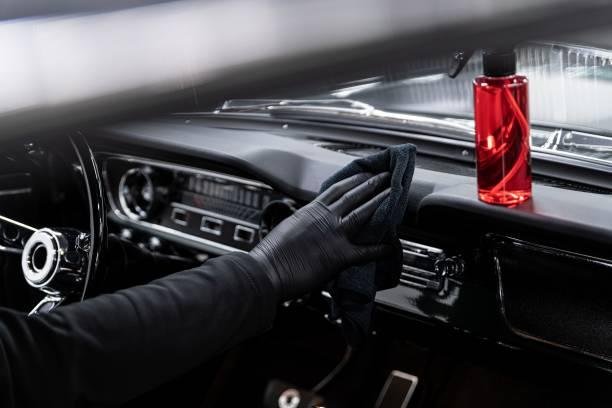
Most people think they can knock out a car interior clean in an hour with a vacuum and some paper towels. Then the Saturday disappears, the seats still smell faintly of old fast food, and they're standing in the driveway wondering where the afternoon went. It's a pretty common situation. If you're trying to figure out whether to do it yourself or just book someone, the honest answer is: it depends on what you're dealing with, what you own already, and how much your time is worth. Getting Interior Car Detailing Services in Oceanside CA done by a professional isn't always the right call, but DIY isn't automatically cheaper either. This breakdown covers both sides without cheerleading for either one.
What a Real DIY Attempt Actually Takes
People underestimate the supply list badly. You'll need a vacuum with decent suction, a crevice tool, a wet-dry vac if there's any real grime or liquid, upholstery cleaner, glass cleaner, a fabric brush, microfiber towels, a detailing brush for vents, and something for plastic trim. That's before you even get to leather care products if your seats aren't fabric. Not cheap, especially if you're starting from zero.
Time is the other thing people misjudge. A thorough interior job on an average sedan takes three to four hours if you do it right. Rushing it means missing the under-seat debris, the door jambs, the headliner, and the spots behind the rear seats. Most DIY attempts skip those areas. The result looks okay from six feet away but falls apart fast under any real inspection.
And then there's technique. Scrubbing upholstery too hard spreads stains instead of lifting them. Using the wrong product on leather can dry it out or leave a film. These aren't scare tactics. They're just things that happen when you're learning on your own car. Worth knowing before you start.
Where DIY Actually Holds Up Fine
Not everything needs a pro. Routine stuff is genuinely fine to do yourself. Weekly vacuuming, wiping down the dash and console, cleaning the windows from inside, and knocking out fresh spills before they set, these are all well within what most people can handle at home with basic supplies.
If your car is already in decent shape and you're just maintaining it, DIY makes a lot of sense. You're not trying to reverse months of buildup. You're just keeping a clean car clean. That's a different job entirely, and it doesn't need professional-grade equipment or chemicals.
The rule of thumb I'd suggest: if the problem is surface-level and recent, handle it yourself. If it's been sitting for a while, involves fabric or leather staining, or there's an odor you can't track down, that's where DIY starts losing.
Where DIY Consistently Falls Short
Odor removal is probably the area where DIY fails most visibly. Spraying a fabric deodorizer on top of a smell doesn't remove it. Odors from pets, smoke, mildew, and spilled food soak into padding, carpet backing, and seat foam. Getting rid of them properly means extraction, not masking. That requires equipment most people don't own.
Stain extraction is similar. A good upholstery extractor, the kind professionals use, pulls liquid and residue up out of the fabric rather than pushing it deeper. A scrub brush and spray bottle do the opposite half the time. You can make a stain look lighter and then watch it wick back to the surface as the fabric dries. Frustrating. And the fiber structure of upholstery materials varies enough that the wrong cleaner on the wrong fabric can cause shrinking, fading, or texture changes.
Leather conditioning is another gap. Leather needs the right conditioner applied in the right amount and worked in properly. Underdo it and the leather dries and cracks. Overdo it and it stays tacky and attracts dust. Most people either skip it entirely or overload the seats. Neither is great long-term.
The Hidden Costs Nobody Talks About
Let's say you're starting from scratch on supplies. A decent wet-dry vac is $60 to $100. Upholstery cleaner, $15 to $25. Microfiber towels, brushes, trim cleaner, glass cleaner, leather conditioner, you're looking at another $40 to $70 easy. That's $100 to $170 before you've done a single thing. And that's if you buy mid-range stuff, not the garbage that doesn't work.
A professional interior detail in the area runs somewhere between $120 and $250 depending on vehicle size and condition. So the cost gap on a first-time DIY is smaller than most people think. After the first time, your supplies are paid for, so DIY gets cheaper per session going forward. But that first session? Not the bargain it looks like on paper.
Then there's time. If you value your Saturday at anything, four hours of scrubbing has a real cost attached. That's the part people skip when they add up the math. Shak's Shine Auto Spa is one option people in the area use when they'd rather not spend a weekend on it and want the work done with proper equipment and products that actually reach the problem.
What a Professional Does Differently
The equipment gap is real. Professional extractors run at pressures and suction levels that consumer machines can't match. They pull more out of fabric, rinse more thoroughly, and dry faster because of the volume of airflow involved. That matters a lot for odors and stains that have had time to set.
Product quality is another difference. Interior Car Detailing in Oceanside CA done at a professional level uses trade-grade chemicals that aren't sold at the average auto parts store. These products are formulated to do specific things to specific materials without damaging them, and the technicians know which product goes where. That knowledge takes time to build.
The finished result also holds up longer. A properly conditioned leather seat, a fully extracted carpet, a headliner that's been cleaned without getting over-wet, these things don't need attention again for months if they're done right. A rushed DIY job often needs to be redone within a few weeks because the root cause wasn't actually dealt with.
A Simple Decision Framework
Here's a quick way to think through it. No quiz, just honest checkpoints.
-
Go DIY if your car is already clean and you're just doing routine upkeep. Weekly or monthly maintenance is totally manageable at home.
-
Go DIY if you already own the supplies and the job is small, like a fresh spill or light dust buildup.
-
Hire a pro if there's a smell you can't identify or eliminate. Odor jobs need real extraction.
-
Hire a pro if you have set-in stains on fabric or leather, or if the interior hasn't been properly cleaned in over a year.
-
Think about it if you're somewhere in the middle. If you've got time, some supplies already, and the mess is moderate, DIY might be worth a shot. Just know your limits before you commit.
The decision isn't about pride. It's about what actually gets the job done and what makes sense for your situation right now.
Frequently Asked Questions
How long does a professional interior detail usually take?
Most professional interior details take two to four hours depending on the size of the vehicle and how dirty it is. A larger SUV with heavy soiling will take longer than a compact car that's been maintained reasonably well. Worth asking ahead of time so you can plan your day.
Can I rent professional-grade extraction equipment instead of buying it?
Some equipment rental places carry wet-dry vacs and basic extractors, but true professional-grade machines are hard to find for short-term rental and can be tricky to use if you haven't done it before. For a one-time deep clean, the math often favors just hiring someone rather than renting equipment you're not familiar with.
How often should I get Interior Car Detailing in Oceanside CA done professionally?
For most people, once or twice a year for a full professional detail is a reasonable baseline. If you have kids, pets, or you eat in the car regularly, you might want to do it every three to four months. Between professional sessions, light DIY maintenance keeps things from getting out of hand.
Will a professional detail actually get rid of pet odors?
A good professional detail can get rid of pet odors in most cases, but it depends on how deep the smell has penetrated. If it's reached the padding under the carpet or into the seat foam, it may take more than one treatment. An honest detailer will tell you upfront what's realistic for your specific situation.
What should I do to prepare my car before dropping it off for a detail?
Remove personal items, loose change, important documents, and anything you don't want touched. You don't need to pre-clean anything. That's the whole point of bringing it in. Just make sure the car is accessible and let the detailer know about any specific problem areas so they can give those spots extra attention.
At the end of the day, both options work in the right context. DIY wins for routine care on a tight budget. A pro wins when the problem is serious, the time isn't there, or you want results that last. Knowing which situation you're actually in is most of the battle.
 English
Join our community to interact with posts!