
Commercial Kitchen Fire Suppression Systems in Saudi Arabia: Enhancing Kitchen Safety
Commercial kitchens are busy workplaces where cooking takes place for several hours every day. Restaurants, hotels, hospitals, cafeterias, catering companies, and food-service facilities rely on ovens, grills, fryers, stoves, and other high-temperature appliances to serve customers efficiently.
Although these appliances are essential, they can also create serious fire hazards. Cooking oils, grease, open flames, electrical equipment, and hot surfaces can quickly turn a small incident into a major fire. Proper fire protection is therefore an important part of commercial kitchen management.
Commercial Kitchen Fire Suppression Systems in Saudi Arabia are designed to provide specialized protection for professional cooking environments. These systems can help detect and control cooking-related fires while protecting people, equipment, property, and business operations.
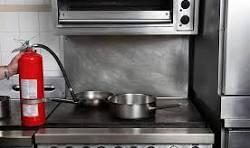
Understanding Commercial Kitchen Fire Risks
Commercial kitchens contain several potential sources of ignition. Fryers and cooking surfaces can reach very high temperatures, while ovens and grills may operate continuously during busy service periods.
Cooking oil is one of the most common fire hazards. When oil becomes excessively hot, it can ignite rapidly. Grease can also accumulate inside exhaust hoods, filters, and ventilation ducts. Without regular cleaning, these deposits can become combustible.
Electrical equipment can create additional risks. Damaged wiring, faulty appliances, loose connections, and overloaded circuits may produce sparks or excessive heat.
Because these hazards can occur at the same time, commercial kitchens require a dedicated fire safety strategy rather than relying only on conventional firefighting equipment.
What Are Commercial Kitchen Fire Suppression Systems?
Commercial kitchen fire suppression systems are specialized fire protection solutions designed for cooking areas. They are configured to protect appliances and locations where cooking-related fires are most likely to occur.
A typical system may include heat detection devices, control components, piping, and strategically positioned discharge nozzles. When a dangerous heat level or fire condition is detected, the system can activate and release a suitable extinguishing agent over the protected area.
Depending on the system design, it may also be connected to fuel or electrical shutoff mechanisms. Stopping the energy source can help limit the development of a fire.
Why Fast Fire Response Matters
A kitchen fire can grow rapidly, particularly when cooking oil or grease is involved. A delay in response can allow flames to spread from one appliance to another or reach the ventilation system.
During busy periods, kitchen staff may be focused on preparing food and serving customers. They may not immediately notice a developing fire.
An automatic suppression system provides an additional layer of protection by responding when its detection mechanism identifies a fire condition. Early suppression can help limit the spread of flames and reduce potential damage.
Fast response can also give employees more time to follow emergency procedures and evacuate the premises when necessary.
Protecting Employees and Customers
The safety of employees and customers should always be the highest priority. Kitchen staff often work close to hot appliances, while customers may be seated near kitchen areas in restaurants and hotels.
A properly designed suppression system can help control a cooking fire at an early stage and reduce the risk of flames spreading into occupied areas.
However, fire suppression should not be considered a replacement for employee training. Staff should understand emergency procedures, evacuation routes, alarm systems, and the safe use of appropriate portable fire extinguishers.
Regular training and emergency drills can help employees respond more confidently during unexpected situations.
Importance of Professional Installation
Every commercial kitchen has different fire protection requirements. The size of the kitchen, type of cooking appliances, fuel sources, ventilation arrangement, and equipment placement can all influence system design.
Professional fire protection specialists can evaluate the kitchen and identify areas that require protection. Detection devices and discharge nozzles can then be positioned to provide suitable coverage.
Correct installation is essential for reliable performance. System components should be properly connected, tested, and configured before the system is put into operation.
Professional installation also makes future inspection, servicing, and maintenance more manageable.
Regular Inspection and Maintenance
Installing a fire suppression system is only the beginning of an effective fire safety program. Regular inspection and maintenance are necessary to ensure that the system remains ready for use.
Important components such as detection devices, piping, discharge nozzles, pressure levels, and control mechanisms should be inspected according to the applicable maintenance requirements.
Any damaged or malfunctioning component should be addressed promptly. Regular servicing can help identify potential issues before they affect system performance.
Kitchen exhaust systems should also be cleaned regularly. Removing grease and oil deposits from hoods, filters, and ducts helps reduce combustible buildup and supports overall kitchen safety.
Supporting Business Continuity
A major kitchen fire can create significant operational and financial challenges. Businesses may face equipment damage, property repairs, temporary closure, lost revenue, and disruption to customers.
An effective suppression system can help control a fire before it spreads extensively. Protecting important cooking equipment may reduce potential downtime and support a quicker return to normal operations.
For business owners and facility managers, fire protection is therefore more than a safety requirement. It is also an investment in business continuity and asset protection.
Choosing the Right Suppression Solution
Businesses should carefully assess their kitchen before selecting a fire suppression system. Factors such as the type of cooking appliances, kitchen layout, ventilation system, fuel sources, and potential fire hazards should be considered.
The quality of system components and the experience of the service provider are also important. A reliable fire protection provider should be able to assist with system assessment, design, installation, testing, inspection, and maintenance.
Businesses should not select a system based solely on the lowest initial cost. Reliability, professional support, component quality, and long-term maintenance are equally important considerations.
Creating a Complete Fire Safety Strategy
Suppression equipment should be combined with good fire prevention practices. Employees should follow safe cooking procedures and avoid leaving high-temperature equipment unattended unnecessarily.
Cooking surfaces should be kept clean, while grease should be removed regularly. Exhaust hoods, filters, and ducts should also receive appropriate cleaning and maintenance.
Electrical appliances should be inspected regularly, and damaged equipment should be repaired or replaced. Emergency exits should remain unobstructed, and suitable firefighting equipment should be easily accessible.
A combination of prevention, detection, suppression, training, and maintenance creates a stronger approach to commercial kitchen safety.
Conclusion
Commercial kitchens face unique fire hazards because they combine high temperatures, open flames, cooking oils, grease, electrical equipment, and ventilation systems. Without effective protection, a small cooking incident can quickly become a serious emergency.
Commercial Kitchen Fire Suppression Systems in Saudi Arabia offer specialized protection designed to detect and control cooking-related fires. When professionally designed, correctly installed, regularly inspected, and properly maintained, these systems can help safeguard employees, customers, equipment, property, and business operations.
By combining reliable fire suppression with regular cleaning, equipment maintenance, employee training, and effective emergency procedures, commercial kitchens can create safer working environments and strengthen long-term business resilience.
 English
Join our community to interact with posts!