
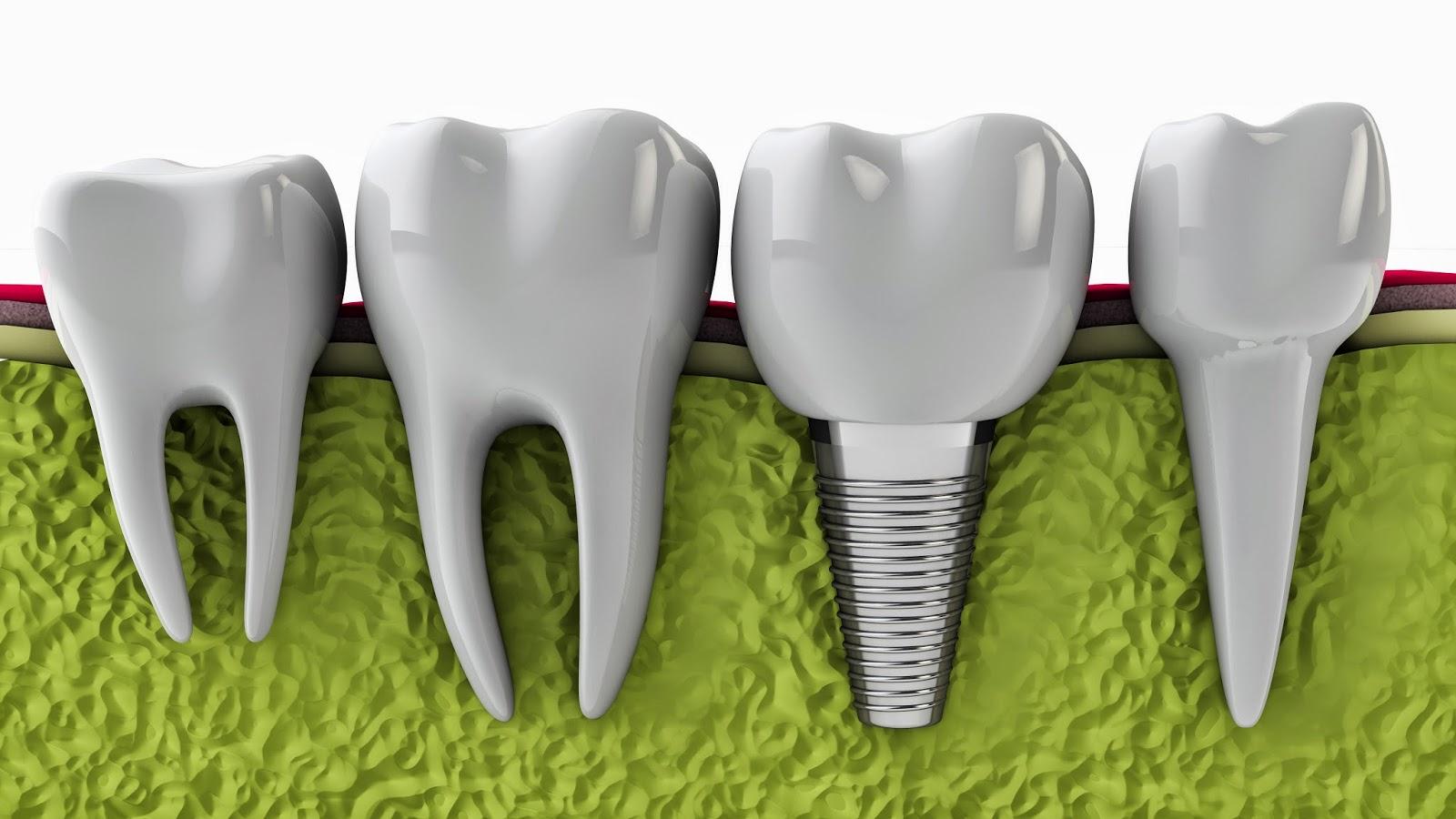
Losing one tooth can affect chewing, speech, and the appearance of your smile. For patients considering Dental Implants at a dental clinic in Dubai, a single implant-supported crown can provide a stable replacement for one missing tooth when the patient is suitable for treatment. The approach can restore both function and appearance without relying on neighboring teeth for support.
How Can Dental Implants Replace One Tooth?
A single Dental Implant is placed into the jawbone where the natural tooth root was previously located. After the implant heals and integrates with the bone, it can support a customized dental crown.
The crown is designed to fill the gap and work with the surrounding teeth during normal biting and chewing.
What Is an Implant-Supported Crown?
An implant-supported crown is a replacement tooth attached to the implant through an appropriate connector. The crown forms the visible part of the restoration.
It can be customized to match the shade, shape, and proportions of neighboring natural teeth.
Dental clinic in dubai for Single Tooth Replacement
A qualified Dental clinic in dubai can assess the missing tooth area before recommending Dental Implants. The dentist may evaluate the jawbone, gums, bite, neighboring teeth, and overall oral health.
Dental imaging can also help determine whether there is enough bone for implant placement and whether additional preparation is necessary.
Why Choose an Implant for One Missing Tooth?
One of the main advantages of a single implant is that it can replace the missing tooth without requiring neighboring healthy teeth to be prepared as supports.
This makes it different from a conventional dental bridge, which typically relies on adjacent teeth.
Can It Protect Neighboring Teeth?
Because an implant-supported crown is anchored independently, the adjacent teeth do not normally need to serve as supports for the restoration.
However, the neighboring teeth still require regular cleaning and professional dental care.
Does a Single Implant Look Natural?
A carefully planned implant crown can be designed to blend with the surrounding teeth. The dentist considers factors such as tooth shade, size, shape, position, and gum contour.
For highly visible teeth, aesthetic planning can be particularly important.
Why Is Gum Shape Important?
The gum tissue around a missing tooth contributes to the final appearance. Changes in the gum or jawbone after tooth loss can affect the shape of the area.
Your dentist will evaluate the soft tissues and bone before determining the best treatment approach.
What Happens Before Implant Placement?
Treatment generally starts with a consultation and dental examination. The dentist evaluates the missing tooth site and checks for gum disease, infection, bone loss, or other concerns.
If necessary, existing dental problems may need to be addressed before implant surgery.
Is Bone Grafting Sometimes Required?
If there is insufficient bone to support the implant, bone grafting may sometimes be recommended. The need for this additional procedure depends on the location and condition of the missing tooth area.
Dental imaging helps the dentist assess the available bone.
What Happens During Implant Placement?
The implant is positioned in the jawbone at the planned location. Appropriate anesthesia is used during the procedure to help maintain patient comfort.
After placement, the implant needs time to heal and integrate with the surrounding bone.
What Is the Healing Period Like?
Some patients experience temporary tenderness or swelling after implant surgery. These effects generally change as the tissues heal.
Your dentist will provide personalized instructions about food, oral hygiene, activity, and follow-up care.
When Is the Final Crown Placed?
The final crown is usually attached after the dentist confirms that the implant has healed sufficiently. The exact timeline varies between patients.
Additional procedures or slower healing can extend the overall treatment period.
Can a Temporary Tooth Be Used?
In selected situations, a temporary restoration may be provided while the implant heals. Whether this is possible depends on implant stability, location, aesthetic requirements, and the dentist's treatment plan.
Not every patient is suitable for immediate temporary restoration.
How Should You Care for a Single Implant?
A single implant requires consistent oral hygiene. Brush twice daily and clean between the teeth and around the implant crown using techniques recommended by your dental professional.
Regular dental visits help monitor the implant, gums, crown, and neighboring teeth.
Can the Implant Develop a Cavity?
The implant and artificial crown cannot develop tooth decay like a natural tooth. However, the surrounding gums and neighboring natural teeth can still be affected by plaque and bacteria.
Good oral hygiene remains essential for maintaining the entire area.
How Long Can a Single Dental Implant Last?
Dental Implants are designed as a long-term tooth replacement solution. Their longevity can be influenced by gum health, oral hygiene, bone support, smoking, bite forces, lifestyle habits, and regular professional maintenance.
The crown may eventually require repair or replacement due to normal wear.
Final Thoughts
A single missing tooth does not necessarily mean that neighboring teeth need to be used for support. Dental Implants can provide an independent foundation for a customized crown and restore function and appearance for suitable patients.
If you are considering Dental Implants in Dubai, consult a qualified Dental Clinic for a detailed evaluation. Your dentist can assess your bone, gums, bite, and surrounding teeth before recommending the most appropriate single-tooth replacement option.
 English
Join our community to interact with posts!