
Understanding parasite transmission is one of the most effective ways to improve animal health management. Internal worms can spread through contaminated environments, fecal material, soil, food, water, and contact with infected animals. Some parasites also have complex lifecycles involving intermediate hosts.
When infected animals pass parasite eggs in their feces, the surrounding environment can become contaminated. Depending on the parasite, eggs or larvae may remain infectious for extended periods. Another animal can then become infected through accidental ingestion or exposure.
This is one reason why medication alone may not completely solve a parasite problem. Even after an appropriate treatment, an animal can potentially become reinfected if it continues to encounter contaminated environments.
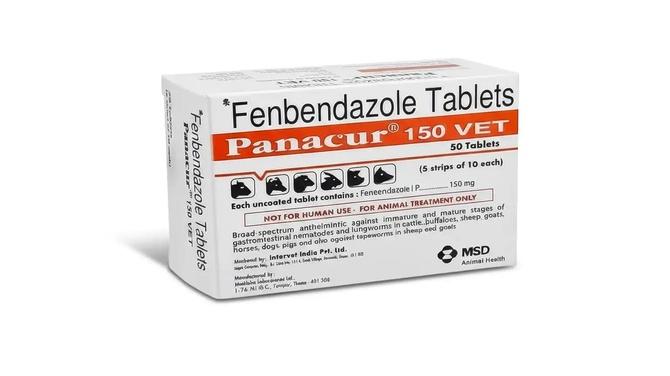
Veterinary anthelmintics are designed to target susceptible parasites inside the host. Benzimidazole-class medicines are one important group used in veterinary parasite control. A representative compound interferes with parasite tubulin and microtubule formation, affecting cellular functions required for parasite survival.
Animal owners researching targeted solutions for internal worm infections should therefore think about both treatment and prevention.
Parasite control begins with identifying potential sources of exposure. Dogs may encounter contaminated soil in parks or communal areas. Livestock may encounter parasites on pasture. Animals housed in groups may face additional transmission opportunities.
Regular removal of feces is an important preventive practice. In household environments, cleaning yards, kennels, cages, and litter areas can reduce contamination.
For livestock, pasture management may be more complex. Rotation, appropriate stocking density, and manure management can contribute to reducing parasite exposure.
Veterinary testing can also play a role. Fecal examinations may help determine which parasites are present and whether treatment is needed.
The choice of dewormer should be based on the parasite and animal. A medicine that works against susceptible roundworms may not necessarily control every other parasite.
People looking for veterinary deworming and parasite-prevention options should also understand the importance of responsible dosing. Treatment amounts may depend on body weight, species, formulation, and veterinary recommendations.
Using too little medicine may fail to adequately control the infection, while inappropriate treatment may expose animals unnecessarily.
Monitoring after treatment can provide useful information. If clinical signs persist, veterinary reassessment may be necessary. Persistent symptoms do not automatically mean that the original treatment was ineffective; another medical condition may be involved.
Young animals deserve particular attention because parasite infections can sometimes affect growth and development. Pregnant animals and those with existing medical problems may also require individualized veterinary guidance.
Some dewormers can cause temporary digestive changes. Owners should observe animals closely and seek professional advice if symptoms are severe or unexpected.
For broader education, trusted resources for animal health and parasite prevention can help owners learn about parasite lifecycles, environmental control, testing, and veterinary treatment.
Effective parasite control is ultimately a combination of informed treatment and good management. Understanding how worms spread can help owners reduce exposure while appropriate veterinary medicines address susceptible infections.
 English
Join our community to interact with posts!