
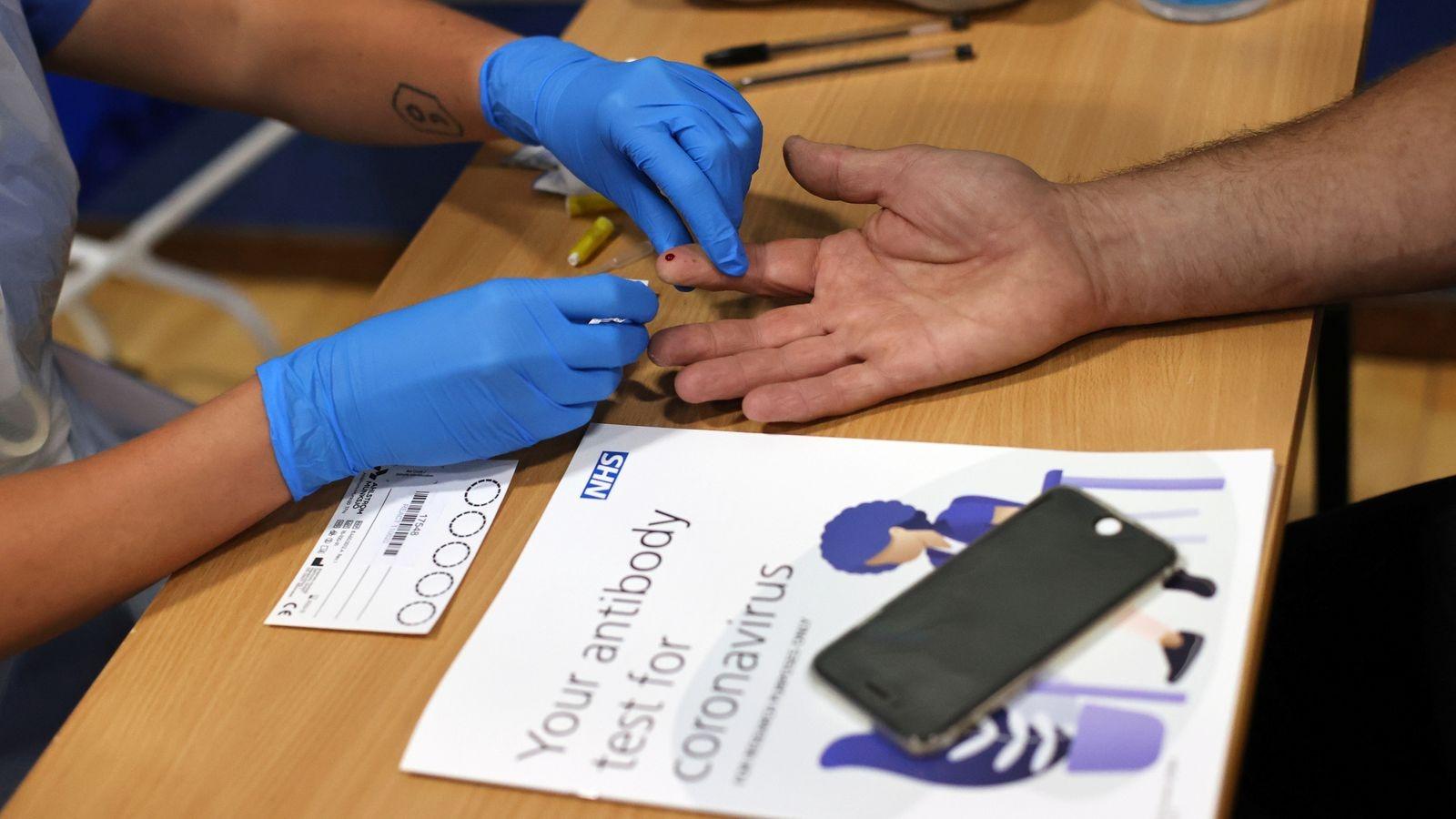
A Blood Test at Home can be a convenient option for routine laboratory testing when sample collection is performed by a trained healthcare professional using appropriate equipment and procedures. Many people prefer home collection because it allows them to complete suitable blood investigations without traveling to a clinic or laboratory. It can also make routine healthcare easier for people with demanding schedules or limited mobility.
For people searching for a Blood test in Dubai, home sample collection can provide a practical alternative to visiting a laboratory. A qualified professional can visit the patient's home at a scheduled time, collect the required sample, and arrange for it to be transported to an appropriate laboratory. When the entire process is managed professionally, home testing can offer convenience without compromising the basic requirements of laboratory sample collection.
How Safe Is a Blood Test at Home?
The safety of a Blood Test at Home depends largely on how the sample is collected and handled. Trained healthcare professionals should use suitable sterile equipment and follow appropriate hygiene procedures during collection.
Before taking the sample, the professional normally confirms the patient's identity and the requested investigations. The collection area is cleaned, and the sample is obtained using appropriate equipment.
After collection, the sample should be placed in the correct tube, labeled accurately, and prepared for transportation. These steps are important for maintaining proper sample identification and handling.
Patients should choose professional services that use qualified personnel and follow appropriate healthcare procedures.
Is Home Blood Testing Reliable?
Home sample collection can support reliable laboratory testing when the sample is collected correctly and transported appropriately to the laboratory.
The reliability of a result depends on several stages of the process. These include correct patient identification, appropriate sample collection, proper labeling, suitable transportation, laboratory processing, and quality procedures.
The fact that the sample is collected at home does not automatically make laboratory testing less reliable. What matters is whether the complete collection and laboratory process is performed appropriately.
What Types of Tests Can Be Done at Home?
Many routine blood investigations may be suitable for home sample collection. The available options depend on the healthcare provider and laboratory.
Common examples include complete blood count testing, blood glucose tests, cholesterol and lipid profiles, liver function tests, kidney function investigations, thyroid testing, vitamin assessments, and hormone tests.
Certain other laboratory investigations may also be available depending on the provider's capabilities.
Before booking, patients should confirm that the required investigation is available through home sample collection and follow any preparation instructions provided.
Why People Choose Home Blood Testing
Convenience is one of the primary reasons patients choose home testing. A laboratory visit can involve travel, traffic, parking, registration, and waiting.
Home collection can eliminate many of these practical difficulties. Patients can arrange a suitable appointment and remain at home while the professional performs the sample collection.
This can be particularly useful for busy professionals, parents, older adults, and people who have difficulty traveling.
The familiar environment may also make the procedure more comfortable for patients who feel nervous about visiting medical facilities.
Professional Sample Collection Matters
The person collecting the blood sample plays an important role in the testing process. Proper training and appropriate technique can help ensure that the sample is collected correctly.
A professional healthcare worker should understand how to prepare the collection site, use suitable equipment, identify the sample, and handle it appropriately after collection.
Patients should therefore ask about the qualifications and experience of the person who will perform the home collection.
Proper Sample Transportation
Once a sample has been collected, it needs to reach the laboratory under appropriate conditions. Different investigations can have different requirements for storage and transportation.
Correct labeling helps ensure that the sample is associated with the correct patient and requested investigations.
Appropriate transportation and handling help preserve sample quality before laboratory analysis begins.
Patients may ask the provider how samples are transported and which laboratory processes them if they want to understand the complete testing procedure.
Preparing for a Safe Home Blood Test
Preparation depends on the specific investigation. Some blood tests require fasting, while others do not.
Patients should confirm preparation requirements before the appointment and follow the instructions provided by their healthcare professional.
Tell the healthcare professional about medications, supplements, or other relevant information. Do not stop prescribed medication unless your doctor specifically advises you to do so.
Wearing comfortable clothing with easy access to the arm can also make the procedure more convenient.
What Happens After Blood Collection?
After the sample is collected, the professional checks that it has been placed in the correct container and labeled appropriately.
The sample is then prepared for transportation to the laboratory. Laboratory professionals perform the requested investigations using suitable testing procedures.
Once the analysis is complete, the results are provided through the healthcare provider's reporting system.
Patients should review their results with a qualified healthcare professional when they have questions or when follow-up is recommended.
Understanding Your Laboratory Results
Even when a blood test is performed correctly, the results should not be interpreted without context.
Laboratory reports commonly include reference ranges, but these ranges can vary depending on the laboratory and the particular investigation. A value outside a reference range does not automatically confirm a medical condition.
A healthcare professional can consider the results alongside symptoms, medical history, medications, and other relevant information.
Patients should avoid making medical decisions based solely on an individual laboratory value.
When Is Home Testing Not Appropriate?
Home blood testing can be useful for suitable routine investigations, but it is not a substitute for emergency medical care.
If a person experiences severe, sudden, or potentially dangerous symptoms, they should seek immediate medical attention rather than waiting for a routine home blood test.
The appropriate healthcare setting depends on the patient's symptoms and medical circumstances.
Choosing a Reliable Home Testing Service
Before booking, check whether qualified professionals perform the collection and whether samples are processed by an appropriate laboratory.
It can also be useful to ask about available tests, preparation instructions, sample transportation, result delivery, and customer support.
A professional provider should clearly explain the testing process and provide appropriate instructions before the appointment.
Final Thoughts
A Blood Test at Home can be safe and reliable when qualified professionals perform the collection and appropriate procedures are followed for sample handling, transportation, and laboratory analysis. It can also provide significant convenience for people who want to manage routine healthcare from home.
For patients considering a Blood test in Dubai, professional home sample collection can be a practical option for suitable laboratory investigations. Always choose a qualified service, follow preparation instructions carefully, and consult a healthcare professional for proper interpretation of your laboratory results.
 English
Join our community to interact with posts!