
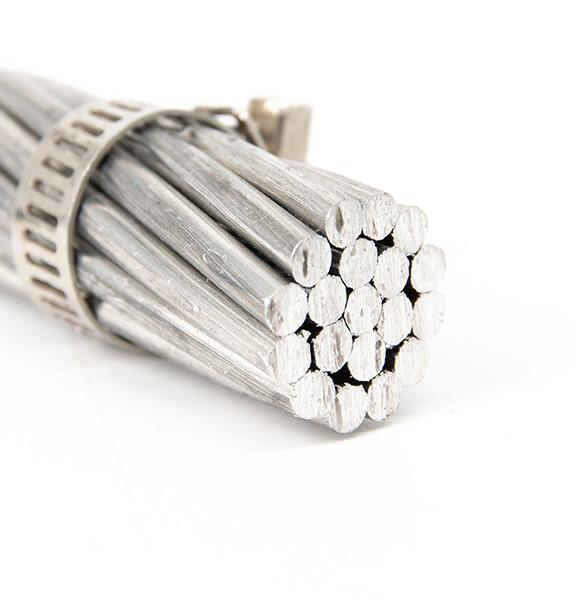
Reliable electricity transmission depends on electrical components that can deliver consistent performance while handling demanding mechanical and environmental conditions. Overhead power networks, in particular, require conductors capable of carrying electrical current while maintaining stability across long spans. A properly selected acsr cable can provide a practical combination of electrical conductivity and mechanical strength for modern power infrastructure.
ACSR stands for Aluminium Conductor Steel Reinforced. As the name suggests, this cable construction combines aluminium conductive strands with a steel-reinforced core. The aluminium contributes to electrical conductivity, while the steel core provides additional mechanical strength. This balanced construction makes ACSR suitable for many overhead transmission and distribution applications.
One of the primary benefits of ACSR cable is its strength. Overhead conductors are installed between poles, towers, or other supporting structures and are subject to mechanical tension. Wind, temperature changes, and other environmental forces can place additional stress on the conductor. A reinforced core helps provide the tensile performance required for these demanding conditions.
The use of aluminium also contributes to a favourable weight-to-performance balance. Overhead electrical systems often involve substantial conductor lengths, so conductor weight can influence the design of supporting infrastructure. Aluminium provides useful conductivity while remaining relatively lightweight, making it a practical material for overhead applications.
Another important consideration is electrical capacity. Different power projects have different current requirements, and ACSR cables are available in various configurations and sizes. Engineers can evaluate conductor dimensions and electrical characteristics according to voltage level, expected load, span length, and other project requirements.
Sag management is also an important part of overhead line design. Conductors naturally experience sag between support points, with the amount influenced by temperature, tension, span length, and conductor characteristics. The mechanical strength provided by the reinforced core can support the engineering requirements involved in maintaining appropriate conductor positioning.
Environmental exposure should also be considered before selecting a cable. Overhead infrastructure can experience rain, wind, sunlight, humidity, temperature fluctuations, and atmospheric contaminants. The selected cable should be appropriate for the environmental conditions expected throughout its service life.
ACSR cables can support a variety of infrastructure applications. Utility providers may use them in transmission and distribution networks, while infrastructure developers can specify them for grid expansion, rural electrification, industrial power projects, and other overhead electrical installations. The exact cable specification should always be matched to the project's technical requirements.
Installation practices are equally important. Proper handling, stringing, tensioning, connections, and final positioning help ensure that the conductor performs as intended. Professional installation teams should follow applicable standards and manufacturer recommendations throughout the installation process.
Long-term reliability is another reason conductor selection deserves careful attention. Power infrastructure can remain operational for decades, and component failures can lead to expensive repairs or service interruptions. Choosing a cable with appropriate electrical and mechanical properties can help support dependable network operation over time.
The increasing demand for electricity is creating continued investment in transmission and distribution infrastructure. New residential communities, commercial developments, industrial facilities, renewable energy projects, and grid modernisation initiatives all require reliable power networks. High-performance overhead conductors remain an essential part of these systems.
When selecting an ACSR solution, project teams should evaluate conductor size, current capacity, tensile strength, weight, operating temperature, environmental conditions, installation method, and applicable standards. Considering these factors together can help ensure that the selected cable matches the intended application.
For utilities, contractors, and electrical infrastructure professionals, acsr cable offers a proven conductor configuration worth considering for demanding overhead applications. By combining aluminium conductivity with steel reinforcement, it can provide a useful balance of electrical and mechanical performance. With correct specification, professional installation, and appropriate maintenance, ACSR cable can contribute to reliable and efficient power transmission and distribution networks.
 English
Join our community to interact with posts!