
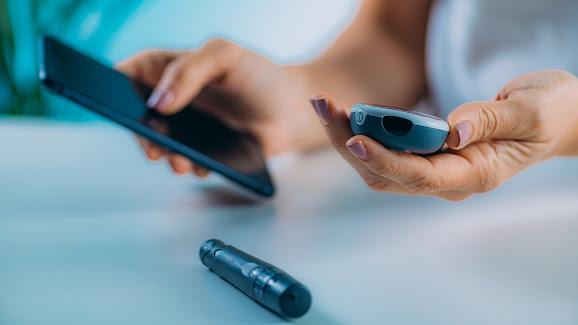
A Blood Sugar Test is a straightforward way to measure glucose levels and understand how the body is managing blood sugar. Glucose is essential for energy, but abnormal levels may sometimes indicate diabetes or another health concern. Proper preparation can help ensure that the test provides useful information and that the result can be interpreted accurately.
For people who need convenient healthcare services, a Blood test in Dubai can be arranged for glucose screening, routine health monitoring, or follow-up testing. The preparation required depends on the type of test, so it is important to follow the instructions provided by your healthcare professional rather than assuming that every glucose test requires fasting.
Why Is Preparation Important?
Preparation can affect certain blood glucose measurements. Food, beverages, exercise, stress, medications, and illness can all influence glucose levels.
For example, eating before a fasting glucose test can change the result because glucose from food enters the bloodstream. Similarly, unusual physical activity or significant stress may temporarily affect blood sugar.
Following the correct preparation instructions helps your healthcare provider obtain information that is more useful for evaluating your health.
Does Every Blood Sugar Test Require Fasting?
No. Whether fasting is necessary depends on the type of glucose test being performed.
A fasting blood glucose test requires you to avoid food for a specified period. A random glucose test generally does not require fasting, while post-meal testing is intentionally performed after eating.
Your healthcare provider should tell you which type of test you are having and how you should prepare.
Fasting Blood Glucose
Fasting glucose is commonly performed after an overnight period without food. The exact fasting duration should be provided by your healthcare professional or testing facility.
During the fasting period, follow the instructions about food, beverages, medications, and other activities.
Random Blood Glucose
Random testing can generally be performed without fasting. Because recent meals can influence the result, it is helpful to know when you last ate.
Your healthcare professional can use this information when interpreting the measurement.
Post-Meal Testing
A post-meal glucose test is performed after eating and is designed to assess blood sugar following food consumption.
The timing of the sample is important, so follow the specific instructions provided by your healthcare provider.
What Can You Eat Before the Test?
If your test requires fasting, you should follow the instructions regarding food carefully. Eating during the fasting period can affect the glucose measurement and may mean that the test needs to be repeated.
If fasting is not required, you can generally follow your usual eating routine unless your healthcare professional provides different instructions.
Do not make extreme dietary changes immediately before testing simply to try to influence your result. The purpose of testing is to obtain an accurate picture of your health under the conditions specified by your healthcare provider.
Can You Drink Water While Fasting?
Whether water is permitted depends on the instructions provided for your specific test. In many fasting blood tests, plain water is generally acceptable, but you should confirm the requirements with your healthcare provider or laboratory.
Avoid assuming that other beverages are equivalent to water. Drinks containing sugar, milk, or other ingredients may affect glucose levels.
If you are uncertain about fasting instructions, ask before the test rather than guessing.
What About Medications?
Some medications can influence blood glucose levels. You should tell your healthcare provider about all medications and supplements you take.
Do not stop or change prescribed medication simply because you are preparing for a Blood Sugar Test.
If you need to take medication during a fasting period, ask your healthcare provider whether it should be taken as usual and whether it should be taken with water.
Following professional instructions is safer than making medication changes independently.
Should You Exercise Before Testing?
Your usual physical activity may influence blood glucose. Intense or unusual exercise immediately before testing can produce changes that may affect the measurement.
Unless your healthcare professional gives different instructions, it may be sensible to avoid unusual strenuous activity immediately before a test.
If you regularly exercise, mention significant activity changes to your healthcare provider when discussing your results.
Can Stress Affect Blood Sugar?
Stress can influence glucose levels because the body releases hormones in response to stressful situations.
Some people may therefore experience temporary changes in blood sugar during periods of significant emotional or physical stress.
You do not need to worry about ordinary nervousness before a blood test, but if you have been experiencing substantial stress or another unusual circumstance, mention it when discussing the result.
Does Sleep Affect Glucose Testing?
Sleep and overall daily routines can influence metabolism and blood glucose regulation.
A single poor night's sleep may not make a test unusable, but repeated sleep problems can affect metabolic health over time.
Try to maintain your usual routine before testing unless your healthcare provider has given specific instructions.
What If You Are Sick Before Testing?
Illness can affect blood glucose levels. Infections, fever, and other illnesses may temporarily change how the body regulates glucose.
If you become sick shortly before a scheduled test, contact your healthcare provider if you are unsure whether testing should proceed.
It is also important to tell the healthcare professional about recent illness because this information may help them interpret your result.
What Should You Tell the Healthcare Professional?
Before testing, provide accurate information about your health and circumstances.
Mention relevant medications, supplements, recent illness, significant dietary changes, unusual physical activity, and whether you followed the requested fasting period.
This information can help your healthcare provider understand the result more accurately.
What Happens During the Test?
A standard laboratory glucose test usually involves collecting a small blood sample from a vein. The healthcare professional cleans the collection area and uses a sterile needle to obtain the sample.
Some glucose measurements may instead use a finger-prick sample.
The process is generally quick, although some people may experience mild temporary discomfort at the collection site.
Understanding Your Results
Your glucose result should be interpreted according to the type of test performed and the conditions under which the sample was collected.
Fasting, random, and post-meal results have different interpretations. Your healthcare provider may also consider HbA1c or other assessments when evaluating glucose regulation.
An abnormal result does not automatically confirm diabetes. Further testing may be needed before a diagnosis is made.
Common Reasons for Blood Sugar Testing
Glucose testing may be recommended for routine health screening, diabetes risk assessment, investigation of symptoms, or ongoing diabetes management.
Symptoms that may prompt testing include excessive thirst, frequent urination, tiredness, blurred vision, increased hunger, or unexplained weight changes.
However, these symptoms can have many possible causes and should not be used to diagnose diabetes without appropriate medical assessment.
High and Low Blood Sugar
High blood glucose, or hyperglycemia, may cause increased thirst, frequent urination, fatigue, or blurred vision. Persistent elevated glucose should be evaluated by a healthcare professional.
Low blood glucose, or hypoglycemia, can cause sweating, shaking, hunger, dizziness, weakness, and confusion.
People using certain diabetes medications may be at greater risk of low glucose. Severe symptoms require prompt medical attention.
How Often Should You Have Testing?
The recommended testing schedule depends on individual health needs.
People with diabetes may need regular monitoring according to their treatment plan. Individuals with diabetes risk factors may also be advised to undergo periodic screening.
Your healthcare professional can determine the appropriate frequency based on your age, health history, risk factors, previous results, and current symptoms.
Supporting Healthy Blood Sugar
Healthy lifestyle habits can contribute to overall glucose management. A balanced diet, regular physical activity, adequate sleep, appropriate weight management, and effective stress management can all support metabolic health.
People with diabetes should follow an individualized plan provided by their healthcare team.
When Should You Ask for Medical Advice?
Speak with a healthcare professional if you have symptoms associated with abnormal blood glucose, risk factors for diabetes, or an unexpected test result.
If you have diabetes and repeatedly receive readings outside your recommended range, contact your healthcare team for guidance.
Severe symptoms such as fainting, serious confusion, or extreme weakness require urgent medical attention.
Final Thoughts
Preparing correctly for a Blood Sugar Test can help ensure that the results provide useful information about your glucose levels. The preparation depends on the type of test, with some assessments requiring fasting while others do not. Following instructions about food, beverages, medications, exercise, and other factors can make the testing process more reliable. Most importantly, results should be interpreted by a qualified healthcare professional who can consider your individual health history and determine whether further testing or follow-up is appropriate.
 English
Join our community to interact with posts!