
A productive working day depends partly on the ability to remain alert and focused. When excessive sleepiness repeatedly appears during working hours, even simple responsibilities can become harder to manage. Rather than assuming that the problem is caused by poor motivation, it is worth considering whether sleep quality, timing, or an underlying condition could be responsible.
The Connection Between Sleep and Performance
Sleep plays an important role in attention, memory, and normal daytime functioning. A disrupted sleep schedule can make it harder to stay alert, particularly when work requires concentration for long periods.
This issue is common among people who work overnight or rotating shifts. Their working hours may conflict with the body's natural sleep-wake rhythm, potentially leading to shift-work disorder.
Narcolepsy can create another type of challenge. People with the condition may experience substantial daytime sleepiness even when they have opportunities for nighttime sleep. Obstructive sleep apnea may also affect daytime performance because repeated breathing interruptions can interfere with restorative sleep.
If tiredness is persistent, keeping a record of sleep patterns and discussing the symptoms with a healthcare professional can help. Before making decisions about medication, people may want to understand key safety information and proper use requirements associated with potential treatment.
Understanding Wakefulness-Promoting Medication
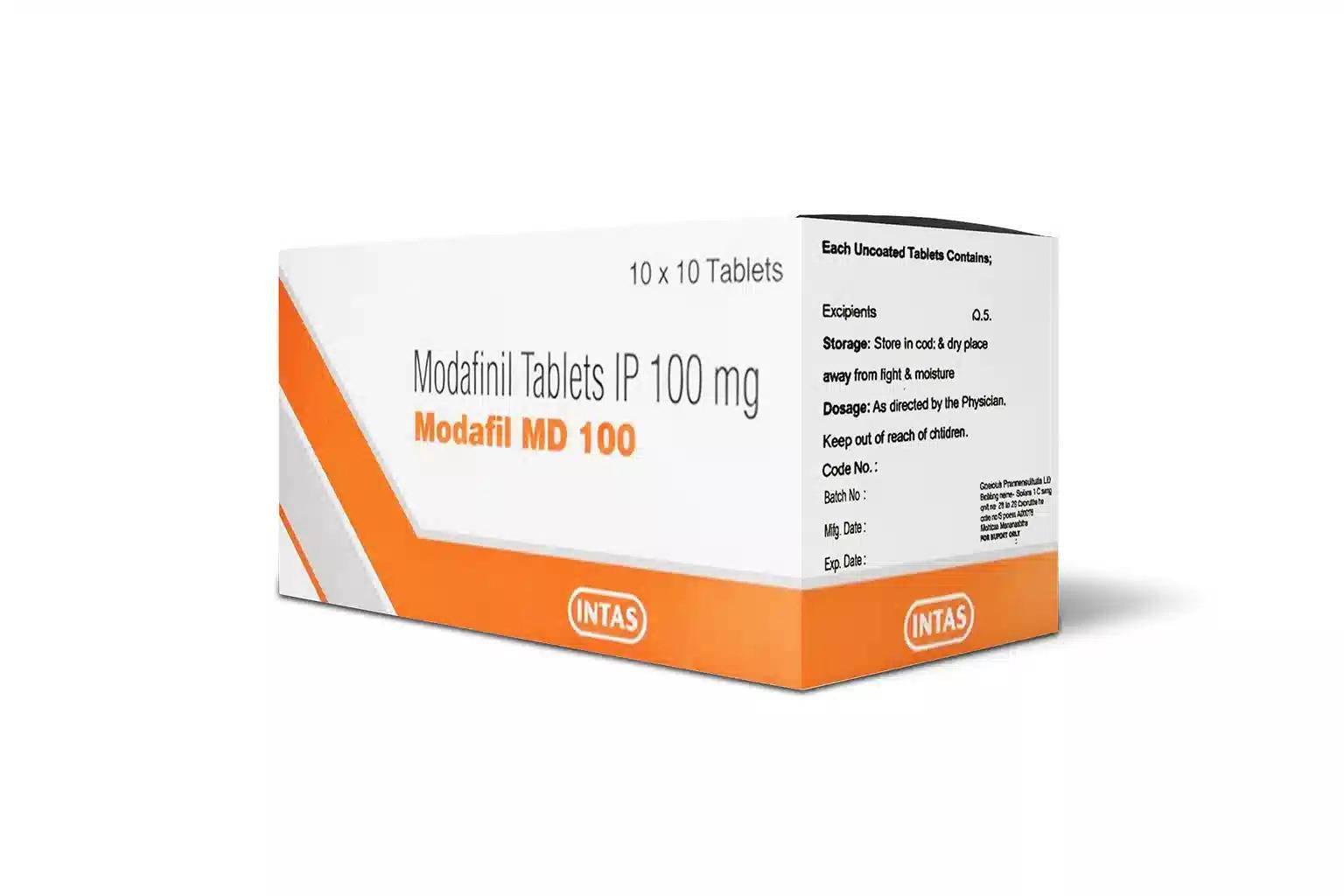
For certain diagnosed conditions, prescription medicines may be used to help improve daytime wakefulness. Modafinil is a wakefulness-promoting medicine described for adults with narcolepsy, shift-work disorder, and excessive daytime sleepiness associated with obstructive sleep apnea.
It is important to understand what the medicine is designed to do. Improved wakefulness does not necessarily mean that the underlying sleep disorder has disappeared. Someone with obstructive sleep apnea, for example, still needs appropriate treatment for the condition affecting nighttime breathing.
The 100 mg formulation is one available strength. However, the correct dose depends on the person's diagnosis and circumstances. A healthcare professional should provide instructions about how and when it should be taken.
Reviewing Personal Safety Factors
Medication decisions should take current health conditions and other medicines into account. Particular attention may be needed for people with certain cardiovascular or liver conditions. Psychiatric history, pregnancy, and breastfeeding should also be discussed with a healthcare professional.
Reported side effects can include dizziness, headache, nervousness, dry mouth, gastrointestinal discomfort, and insomnia. Serious reactions should be addressed promptly.
People researching their choices may also find information on other strengths and treatment alternatives useful when preparing for a medical discussion.
Daytime performance is closely connected with nighttime rest and overall health. Recognizing persistent sleepiness and seeking appropriate guidance can help people address the underlying issue instead of continually relying on temporary ways to stay awake.
 English
Join our community to interact with posts!