
Subsea communication and power systems operate in one of the most demanding environments on Earth. Equipment installed beneath the ocean must withstand high pressure, saltwater exposure, temperature changes, mechanical stress, and long periods without direct maintenance.
Reliable connectivity is therefore essential for offshore energy projects, underwater research systems, subsea robotics, telecommunications infrastructure, and oil and gas operations. At the heart of many of these systems are advanced connectors designed to transmit electrical power and optical signals while maintaining dependable performance underwater.
A subsea electrical fiber connector combines sophisticated engineering principles to support electrical and fiber-optic communication within a single underwater connection. Understanding its technology helps engineers and project managers choose suitable components for applications where reliability, signal integrity, and environmental protection are critical.
What Is a Subsea Electrical Fiber Connector?
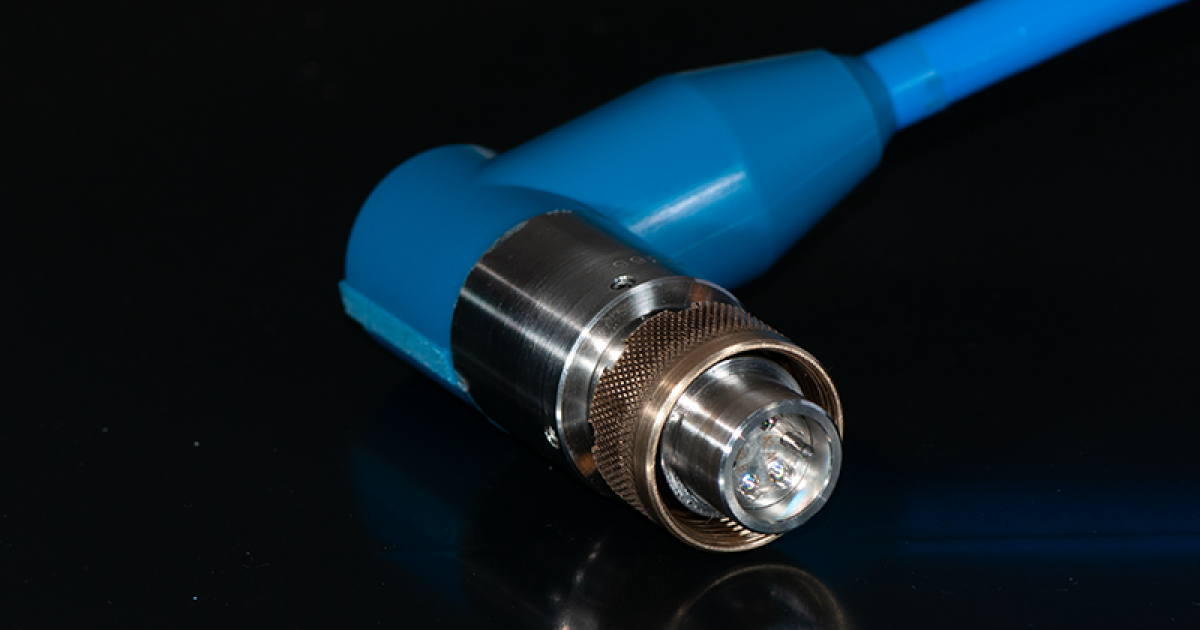
A subsea electrical fiber connector is a specialized connection device designed to operate in underwater environments while carrying electrical power, optical data, or both. Unlike conventional connectors used in dry industrial environments, these components must remain functional when exposed to seawater and significant hydrostatic pressure.
The connector typically consists of a protective housing, electrical contacts, optical interfaces, seals, and mechanical locking components. Each part has a specific role in maintaining the connection and protecting internal components from environmental damage.
Electrical contacts can transfer power to underwater equipment, while optical fibers provide high-speed communication. Combining these functions reduces the need for multiple separate connection systems and can simplify subsea equipment architecture.
How Electrical Transmission Works
The electrical section of a subsea connector relies on carefully engineered conductive contacts. These contacts are manufactured from materials selected for conductivity, corrosion resistance, and mechanical durability.
When two connector halves are joined, the electrical contacts establish a controlled pathway for current. Contact geometry is important because poor alignment or insufficient contact pressure can increase electrical resistance and generate unwanted heat.
Engineers also consider insulation, voltage requirements, current capacity, and dielectric performance. High-quality insulation helps prevent electrical leakage, short circuits, and degradation caused by seawater intrusion.
In demanding installations, the connector must maintain stable electrical characteristics throughout its service life. This requires precise manufacturing tolerances and materials capable of handling repeated mating cycles and environmental exposure.
The Role of Fiber-Optic Technology
Fiber optics add another layer of capability to subsea connectivity. Optical fibers transmit information as pulses of light rather than electrical signals. This allows extremely high data rates and provides strong resistance to electromagnetic interference.
Inside the connector, optical interfaces must align the fiber cores accurately. Even small alignment errors can cause signal loss. For this reason, subsea optical connectors use precision components to maintain consistent optical coupling.
Fiber-optic technology is particularly useful for underwater cameras, remotely operated vehicles, scientific instruments, sensors, and monitoring systems. Large amounts of data can be transferred across considerable distances without the interference problems that can affect traditional electrical communication.
Protection Against Water and Pressure
One of the greatest engineering challenges is preventing seawater from reaching sensitive internal components. Water can cause corrosion, insulation breakdown, optical contamination, and electrical failure.
A subsea electrical fiber connector therefore incorporates specialized sealing technology. Elastomeric seals, pressure-resistant barriers, and carefully designed interfaces can prevent water from entering critical areas.
Hydrostatic pressure also increases with depth. A connector intended for shallow-water applications may not be suitable for deep-sea installations. Engineers must evaluate the connector's pressure rating and ensure that its housing and sealing system can withstand the expected operating depth.
Some advanced connector designs use pressure-balanced or oil-filled systems. These approaches can reduce the pressure difference between the surrounding seawater and internal components, helping protect sensitive interfaces.
Materials Used in Subsea Connectors
Material selection has a major impact on connector performance. Stainless steel, titanium, specialized polymers, and corrosion-resistant alloys are commonly considered for subsea applications.
The external housing needs mechanical strength and resistance to saltwater corrosion. Internal insulating materials must maintain their electrical properties under pressure and temperature variations.
Optical components require additional precision. Their materials must support accurate fiber alignment while resisting contamination and environmental degradation.
Material compatibility is also important. When different metals are used together, engineers must consider galvanic corrosion. Proper material selection and protective coatings can help minimize these risks.
Mechanical Design and Mating Systems
A connector must remain securely connected even when exposed to vibration, movement, underwater currents, or equipment handling. Mechanical locking mechanisms prevent accidental separation after installation.
Subsea connectors may use threaded, latching, locking, or specialized hydraulic-assisted mechanisms depending on the application. The design should allow technicians or remotely operated equipment to establish a secure connection.
Repeated mating and unmating can create mechanical wear. Therefore, manufacturers carefully evaluate contact durability, sealing performance, and alignment mechanisms to determine expected service life.
Signal Integrity and Performance
For modern underwater systems, signal quality is just as important as physical connection strength. Fiber-optic transmission minimizes electromagnetic interference, but optical losses can still occur through contamination, misalignment, damaged surfaces, or excessive bending.
Electrical transmission can also experience resistance, electromagnetic effects, and voltage drops. Connector design must account for these factors to ensure that power and communication signals remain within acceptable performance limits.
Testing procedures can include insulation resistance testing, optical loss measurements, pressure testing, temperature cycling, and mechanical endurance testing. These evaluations help confirm that the connector can perform reliably under realistic operating conditions.
Applications Across Subsea Industries
Subsea connectivity technology is used across numerous industries. Offshore wind farms depend on underwater electrical infrastructure to connect turbines and other equipment. Oil and gas operations use subsea systems for monitoring, control, and production equipment.
Marine research organizations also rely on underwater connectors for scientific instruments, sensors, autonomous underwater vehicles, and ocean-monitoring platforms.
Telecommunications infrastructure is another major application. Submarine communication networks use fiber-optic technology to transport enormous quantities of international data. While large cable systems use specialized components throughout their infrastructure, reliable underwater optical connectivity remains essential to maintaining network performance.
Installation and Maintenance Considerations
Choosing the right connector requires more than simply checking electrical or optical specifications. Engineers should consider operating depth, temperature range, expected current, data requirements, mating frequency, installation method, and environmental conditions.
Maintenance planning is equally important. Some subsea systems are designed for long-term deployment with minimal intervention, while others require frequent connection and disconnection. A connector intended for repeated servicing should provide convenient handling without compromising sealing performance.
Proper cleaning and inspection are also essential. Contamination on optical surfaces can significantly affect signal transmission, while damaged seals can compromise environmental protection.
Why Advanced Manufacturing Matters
Manufacturing precision directly affects connector reliability. Small variations in contact dimensions, fiber alignment, sealing surfaces, or housing tolerances can influence overall performance.
Modern production techniques allow manufacturers to maintain tight tolerances and perform extensive quality-control testing. Design simulation, material testing, automated inspection, and environmental testing can all contribute to a more dependable product.
For critical subsea projects, selecting components from an experienced manufacturer can reduce operational risks and improve long-term system performance.
hysfsubsea and Subsea Connectivity Solutions
hysfsubsea represents the type of specialized industry focus that supports the growing demand for reliable underwater connectivity. By emphasizing engineering quality, robust materials, precision manufacturing, and application-specific solutions, brands serving this market can help customers address the challenges associated with subsea electrical and fiber-optic systems. For projects involving offshore energy, marine technology, underwater equipment, or advanced communication infrastructure, working with a specialist supplier can make connector selection and integration more efficient.
Conclusion
The technology behind a subsea electrical fiber connector combines electrical engineering, fiber optics, precision mechanics, sealing technology, and corrosion-resistant materials. Its purpose is not simply to connect two pieces of equipment but to maintain dependable power and data transmission in an environment where failure can be expensive and difficult to correct.
As offshore wind, marine research, subsea robotics, telecommunications, and underwater industrial systems continue to expand, demand for dependable connectivity will also increase.
Understanding connector construction, pressure resistance, optical alignment, electrical performance, and material selection allows engineers to make better decisions and develop more reliable subsea systems.
 English
Join our community to interact with posts!