
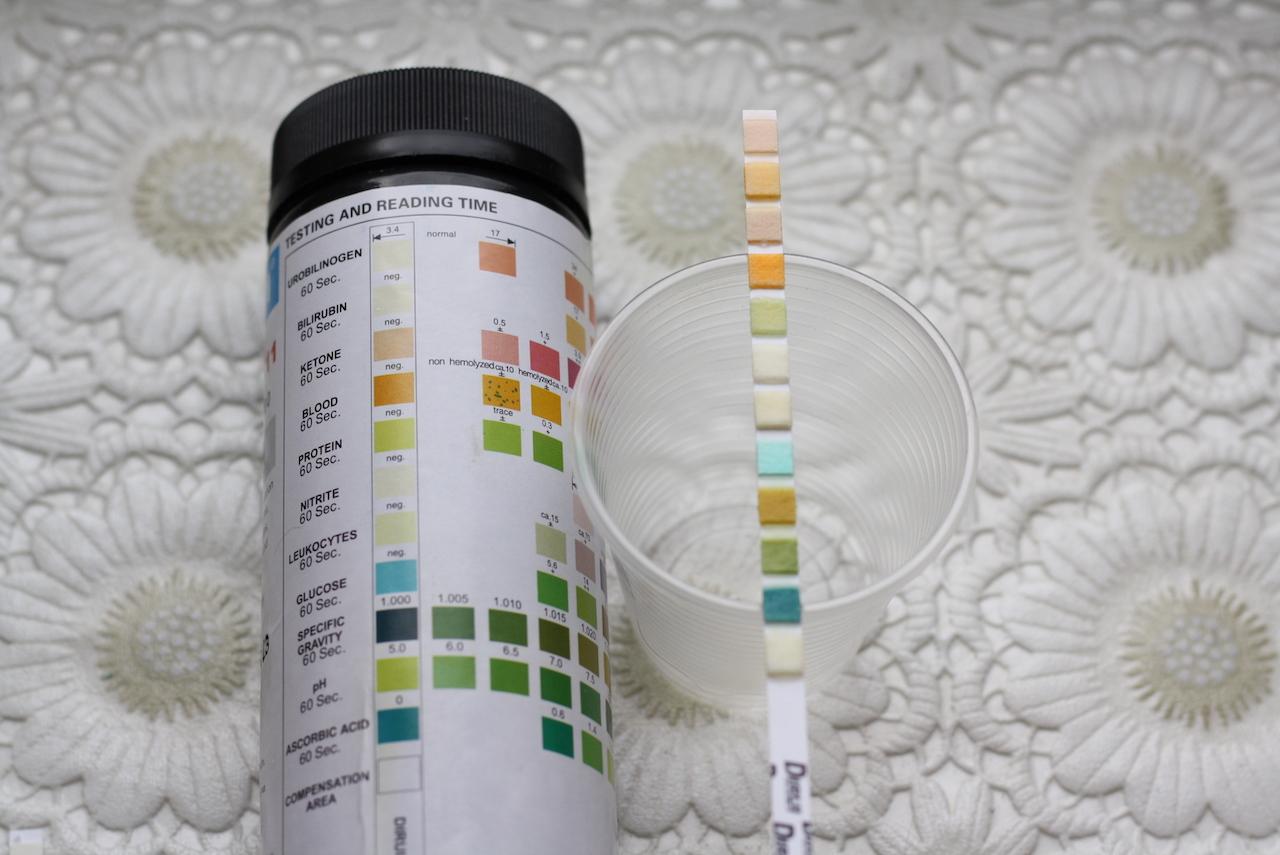
A urine analysis test, commonly known as a urinalysis, is a simple laboratory examination that can provide important information about your kidneys, Urine Analysis in Dubai, hydration, metabolism, and overall health. The test may evaluate urine appearance, chemical substances, and microscopic components such as red blood cells, white blood cells, bacteria, crystals, and urinary casts.
Although providing a urine sample seems straightforward, small mistakes during collection can affect the accuracy or interpretation of the results. Contamination, incorrect timing, poor hygiene, improper storage, and even drinking excessive amounts of water can sometimes make a specimen less reliable.
The good news is that most collection mistakes are easy to prevent. Knowing what to do before, during, and after providing your sample can help the laboratory receive a specimen that accurately represents your urine.
Why Correct Urine Sample Collection Matters?
Laboratory testing can only be as reliable as the specimen being analyzed.
A urine sample may contain substances from the urinary system, but it can also accidentally pick up bacteria, skin cells, menstrual blood, lotions, or other material during collection. This is known as specimen contamination.
Contamination can make a urine test appear abnormal even when there is no underlying problem.
For example, bacteria found in a contaminated sample may be mistaken for evidence of a urinary tract infection. Similarly, blood from menstruation can potentially affect a urine blood test.
Correct collection helps reduce these problems and gives your healthcare provider more confidence when interpreting the report.
Touching the Inside of the Container:
One of the easiest mistakes is touching the inside of the sterile urine container or its lid.
Your hands can carry bacteria, skin cells, oils, and other substances that should not be introduced into the specimen.
The better approach:
Keep your hands away from the inside of the container and lid. Hold the container by its outside surfaces and close it immediately after collecting the required amount.
Never place the lid on a surface with the inside facing downward.
Skipping the Cleaning Instructions:
For some urine tests, particularly when a clean-catch midstream sample is requested, cleaning the genital area before collection is important.
Skipping this step can increase the amount of bacteria and other material that enters the specimen.
The better approach:
Follow the cleaning instructions provided by your healthcare facility. Use the recommended cleansing material and technique, and avoid using additional products unless instructed.
The purpose is not to make the area sterile. It is to reduce the amount of external material that can contaminate the urine sample.
Collecting the First Part of Urination:
If your healthcare provider requests a midstream specimen, collecting the very beginning of urination is not the correct technique.
The initial urine can wash away bacteria or cells from the urethral opening and surrounding area, potentially increasing contamination.
The better approach:
Begin urinating into the toilet, then collect the midstream portion in the sterile container as instructed.
You do not normally need to fill the container completely. The laboratory will tell you how much urine is required.
Using the Wrong Container:
A household jar, bottle, cup, or other improvised container may contain residues or chemicals that interfere with laboratory testing.
Even if the container looks clean, it may not be suitable for medical specimen collection.
The better approach:
Use the sterile container supplied by the clinic, laboratory, or healthcare provider.
Do not transfer urine from one container to another unless specifically instructed.
Drinking Excessive Water Before the Test:
Some people drink a large amount of water because they are worried they will not be able to provide enough urine.
This can make the sample unusually dilute.
Very dilute urine may affect measurements such as specific gravity and can reduce the concentration of certain substances being evaluated.
The better approach:
Unless your healthcare provider has given you different instructions, maintain your normal fluid intake.
You generally do not need to force yourself to drink large quantities of water immediately before a routine urinalysis.
Fasting Without Being Told to Fast:
A standard urinalysis usually does not require fasting.
Some people mistakenly avoid food before a urine test because they assume all laboratory testing requires an empty stomach.
Unnecessary fasting can affect urine composition. For example, prolonged fasting can increase ketone production.
The better approach:
Eat and drink normally unless your healthcare provider has specifically instructed you to fast.
If you are having blood tests at the same appointment, ask whether those tests require fasting because their preparation requirements may differ from those of a routine urine analysis.
Forgetting to Mention Menstruation:
Menstrual blood can enter a urine specimen and affect results, particularly when the test is checking for blood in urine or red blood cells.
This does not mean that you cannot provide a urine sample while menstruating. The appropriate approach depends on why the test is being performed.
The better approach:
Tell the healthcare professional or laboratory if you are menstruating.
They can determine whether you should provide the sample at another time or follow additional instructions to minimize contamination.
Collecting a Sample at the Wrong Time:
Not every urine test uses the same collection schedule.
A routine urinalysis may use a random sample, while some tests may specifically request a first-morning urine specimen. Other investigations require a timed collection over several hours or a complete 24-hour period.
Providing the wrong type of specimen can make the test less useful.
The better approach:
Read the collection instructions carefully before starting.
If the instructions say to use the first urine of the morning or collect every urine sample over 24 hours, follow those requirements exactly.
Mishandling a 24-Hour Urine Collection:
A 24-hour urine test requires collecting all urine produced during a specified period.
Missing even one collection can affect the calculated amount of a substance excreted during the day.
The better approach:
Follow the exact start and end times provided by the laboratory.
If you accidentally miss a collection, contact the laboratory rather than guessing what to do. You may need to restart the collection depending on the test.
Leaving the Sample Sitting Too Long:
Urine changes after it leaves the body.
If a specimen remains at room temperature for too long, bacteria can multiply, cells can deteriorate, and other chemical or microscopic changes can occur.
These changes can affect laboratory findings.
The better approach:
Submit the sample as soon as possible according to the laboratory's instructions.
If the specimen needs refrigeration or another specific storage method, follow the instructions provided. Do not assume that every urine test has identical storage requirements.
Not Telling the Doctor About Medications:
Some medications and supplements can influence urine color or laboratory measurements.
For example, certain products can change urine appearance, while others may affect particular chemical findings.
The better approach:
Provide your healthcare professional with an accurate list of prescription medications, over-the-counter drugs, vitamins, and supplements.
Do not stop taking prescribed medication simply to obtain a "better" urine result unless your doctor specifically tells you to.
The purpose of testing is to measure your health accurately under appropriate conditions.
Exercising Intensely Before Testing:
Strenuous exercise can temporarily influence some urine findings.
In some people, intense physical activity can cause temporary proteinuria or microscopic blood in urine.
This does not necessarily mean that kidney disease or another serious condition is present.
The better approach:
If you have recently completed unusually intense exercise, tell your healthcare provider.
If an unexpected abnormality is found, your doctor may consider recent exercise when deciding whether repeat testing is appropriate.
Providing Too Little Information With the Sample:
A laboratory needs to know whose specimen it is and which test has been requested.
An incorrectly labeled or unlabeled container can cause delays or require recollection.
The better approach:
Follow the facility's identification and labeling instructions carefully.
Check that the requested information is correct before handing over the specimen.
Never label a container with someone else's information or assume the laboratory can identify an unlabeled sample.
Assuming Cloudy or Dark Urine Means You Have a Disease:
People sometimes become anxious when their urine looks darker, cloudy, or different from usual.
Urine appearance can change because of hydration, food, medications, pigments, crystals, or other temporary factors.
Visual appearance alone cannot diagnose a urinary tract infection, kidney disease, or another medical condition.
The better approach:
Allow the laboratory to analyze the sample rather than trying to diagnose yourself based on color or odor.
If you have symptoms such as painful urination, fever, visible blood, severe side pain, or major changes in urination, discuss them with a healthcare professional.
Assuming One Abnormal Result Confirms a Diagnosis:
A urine analysis is a diagnostic tool, not a diagnosis by itself.
Protein, blood, white blood cells, bacteria, crystals, glucose, or ketones can have several possible explanations.
For example, bacteria may result from contamination rather than infection. Temporary protein can occur after strenuous exercise or illness. Blood in urine can have many causes, including infection and kidney stones.
The better approach:
Let your healthcare provider interpret the complete result.
Depending on the findings, follow-up may include a repeat urinalysis, urine culture, urine albumin-to-creatinine ratio, blood tests, or imaging.
A Simple Checklist for a Better Urine Sample:
Before providing your specimen, remember these practical steps:
-
Follow the laboratory's specific instructions.
-
Use the sterile container provided.
-
Wash or clean the area as instructed.
-
Avoid touching the inside of the container or lid.
-
Collect a midstream specimen when requested.
-
Maintain normal hydration unless told otherwise.
-
Do not fast unless instructed.
-
Mention menstruation when relevant.
-
Tell your provider about medications and supplements.
-
Follow special instructions for first-morning or timed urine collections.
-
Deliver or store the sample according to laboratory instructions.
-
Report any collection problems rather than hiding them.
These simple steps can significantly reduce the possibility of an unreliable specimen.
When Should a Urine Test Be Repeated?
A repeat urine analysis may be recommended if the initial sample appears contaminated, was collected incorrectly, or produced an unexpected result that does not fit the person's symptoms.
For example, a sample containing many epithelial cells and bacteria may be considered potentially contaminated. Your healthcare provider may ask for another clean-catch specimen.
Repeat testing can also help determine whether findings such as blood or protein are temporary or persistent.
When Should Abnormal Urine Results Be Taken Seriously?
An abnormal urine test deserves appropriate medical interpretation, especially when the finding persists.
Seek medical advice if you repeatedly have blood or protein in urine or if urine abnormalities occur with symptoms such as fever, chills, severe back or side pain, vomiting, painful urination, difficulty urinating, or a major decrease in urine output.
Visible blood in urine should also be discussed with a healthcare professional even if you feel otherwise well.
Frequently Asked Questions:
What is the most common mistake when giving a urine sample?
Contamination is one of the most common problems. Touching the container, failing to follow cleaning instructions, or collecting the wrong portion of urine can introduce bacteria or other material into the specimen.
Should I fill the urine container completely?
Usually not. Only the amount requested by the laboratory is needed. Follow the instructions given with your collection container.
Can I drink water before a urinalysis?
Usually, yes. Maintain normal hydration unless your healthcare provider gives you different instructions. Avoid excessive water intake immediately before the test because it can dilute the urine.
Can I provide a urine sample during my period?
It may be possible, but menstrual blood can contaminate the specimen. Tell the laboratory or healthcare provider so they can provide appropriate instructions.
Can exercise affect a urine test?
Yes. Intense exercise can temporarily affect findings such as protein or blood in urine. Tell your healthcare provider about recent strenuous activity if an abnormal result is found.
What if I accidentally contaminate my urine sample?
Tell the laboratory or healthcare professional. They may recommend collecting a new specimen rather than relying on a potentially contaminated result.
Final Takeaway:
Providing a urine sample is simple, but proper urine sample collection matters. Small mistakes such as touching the container, skipping cleaning instructions, collecting the wrong portion of urine, drinking excessive water, mishandling a timed specimen, or delaying delivery can affect the reliability of a urinalysis.
The best approach is to follow your laboratory's instructions carefully, use the correct sterile container, maintain normal hydration, and provide accurate information about medications, menstruation, recent exercise, and any collection problems.
If your urine Lab tests shows an abnormal finding, do not assume the result automatically means you have a disease. Your healthcare provider can determine whether the finding is caused by contamination, a temporary change, infection, kidney problems, or another condition.
A properly collected sample gives your healthcare team a much better starting point for understanding what your urine is telling them about your health.
 English
Join our community to interact with posts!