
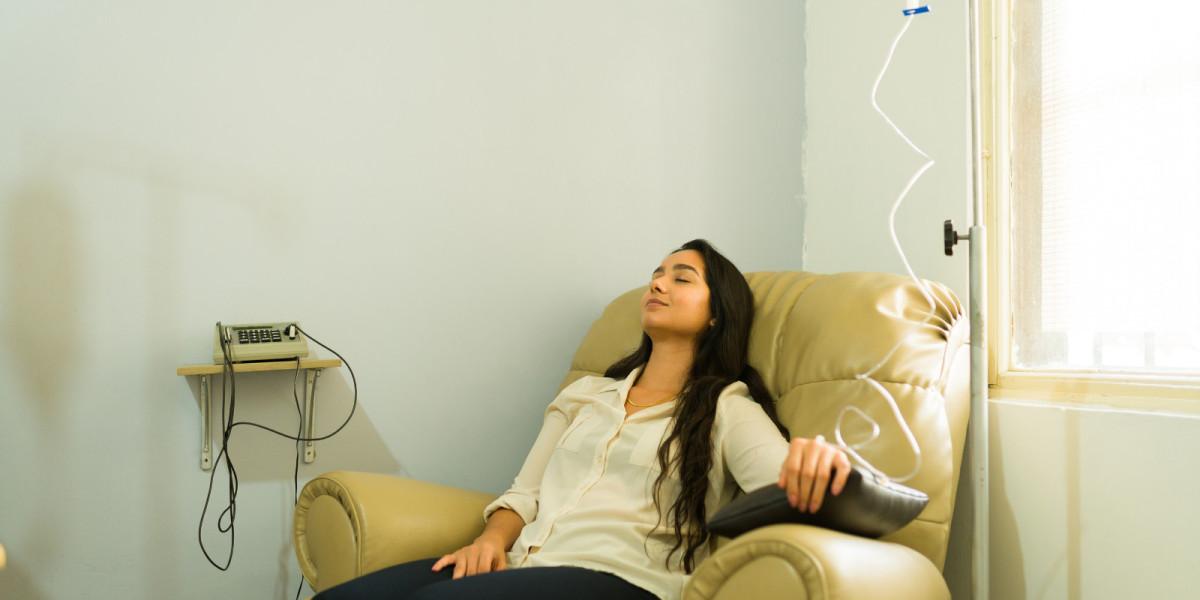
A busy lifestyle can make it difficult to visit a healthcare facility whenever you need supportive treatment. IV Drip at Home provides a convenient option for eligible patients who want professional IV care in a familiar environment. Instead of spending additional time traveling and waiting at a clinic, patients may receive treatment at home when a qualified healthcare professional determines that it is appropriate.
Access to convenient medical care can be especially valuable for people managing demanding schedules in Dubai. Doctor at home in Dubai services can provide professional assessment and medical guidance at a patient's location, helping determine whether home-based treatment is suitable. A proper evaluation is important because IV therapy should only be provided when medically appropriate.
What Is IV Drip at Home?
IV drip treatment involves delivering fluids or prescribed substances directly into a vein through an intravenous line. Because the treatment enters the bloodstream directly, it must be administered by appropriately trained healthcare professionals using suitable medical equipment.
When provided at home, the same basic medical principles apply. The healthcare professional assesses the patient, prepares the necessary equipment, establishes the IV line, administers the treatment, and monitors the patient throughout the process.
Home treatment is primarily about changing the location of care, not reducing the importance of medical supervision.
How the Home IV Process Begins
Before treatment starts, a healthcare professional should review the patient's current condition and relevant medical information. This may include symptoms, medications, allergies, previous reactions, and existing health concerns.
The purpose of this assessment is to determine whether IV treatment is appropriate. If the patient requires a different type of medical evaluation or hospital-level care, home IV treatment may not be suitable.
Once the healthcare professional determines that treatment can safely proceed, they prepare the equipment and explain the procedure to the patient.
Preparing the Treatment Area
A clean and comfortable environment can make the appointment easier. The healthcare professional brings the required medical supplies and follows appropriate infection-control procedures.
The patient can usually sit or recline comfortably while the IV is administered. Having a suitable space allows the professional to work efficiently while maintaining appropriate hygiene and patient monitoring.
Patients should follow any preparation instructions provided by their healthcare provider and inform the professional about changes in their health before treatment begins.
The Role of Enfiled Dental clinic in Patient-Focused Care
Enfiled Dental clinic highlights the broader importance of professional, patient-focused healthcare environments where comfort, communication, and proper care procedures matter. Although IV therapy should be administered by qualified medical professionals, patients should apply the same standards when choosing any healthcare service.
Professional qualifications, hygiene practices, appropriate equipment, clear communication, and medical assessment are important factors to consider when selecting home healthcare services.
What Happens During an IV Drip?
Once the treatment begins, the healthcare professional administers the IV according to the prescribed plan. The IV line allows the selected fluid or medication to enter the bloodstream at a controlled rate.
The healthcare professional should remain attentive to the patient's condition throughout the treatment. Patients should communicate immediately if they experience discomfort, dizziness, unusual sensations, or any other concerning symptoms.
The length of treatment can vary depending on the type of IV therapy and the individual patient's circumstances. Patients should not assume that a longer or faster infusion is necessarily better.
Why Medical Monitoring Matters
IV treatment requires appropriate monitoring because the therapy is delivered directly into the bloodstream. Professional supervision can help identify problems early and allows the healthcare provider to respond appropriately if a patient experiences an unexpected reaction.
Potential issues can include discomfort around the IV site, swelling, irritation, or other reactions. The healthcare professional can determine whether treatment should continue, be adjusted, or stopped.
This is why choosing a qualified provider is more important than simply selecting the fastest or cheapest service.
Advantages of Receiving IV Care at Home
The biggest advantage for many patients is convenience. Home treatment can eliminate unnecessary travel and reduce time spent in waiting rooms.
It can also provide greater comfort and privacy. Patients may prefer receiving appropriate care in their own surroundings rather than visiting a healthcare facility for every appointment.
For people with demanding work schedules, home-based healthcare may also make it easier to coordinate treatment around professional and family responsibilities.
However, convenience should never be considered a replacement for appropriate medical assessment.
Who May Consider Home IV Treatment?
Home IV treatment may be considered for patients who have been assessed as suitable for the service. The appropriate candidates depend on the type of treatment, medical history, current symptoms, and professional assessment.
People experiencing severe or emergency symptoms should not rely on a home IV service. They may require urgent medical evaluation and access to advanced healthcare facilities.
Patients should always discuss their individual circumstances with a qualified healthcare professional before receiving IV therapy.
Choosing a Reliable Home IV Service
When looking for home-based IV treatment, patients should consider whether the provider uses appropriately qualified healthcare professionals and follows proper hygiene and safety procedures.
It is also useful to understand how the provider performs the initial assessment, what monitoring is available during treatment, and how patients can receive assistance if concerns develop afterward.
A professional provider should be transparent about the treatment process and should not make unrealistic promises about what IV therapy can accomplish.
Final Thoughts
Understanding how IV Drip at Home works can help patients make informed decisions about convenient healthcare. The process should involve professional assessment, proper preparation, hygienic procedures, careful administration, and appropriate monitoring. Home-based treatment can save time and provide comfort, but medical suitability must always come first. Choosing qualified professionals ensures that convenience is combined with responsible and patient-focused care.
 English
Join our community to interact with posts!