
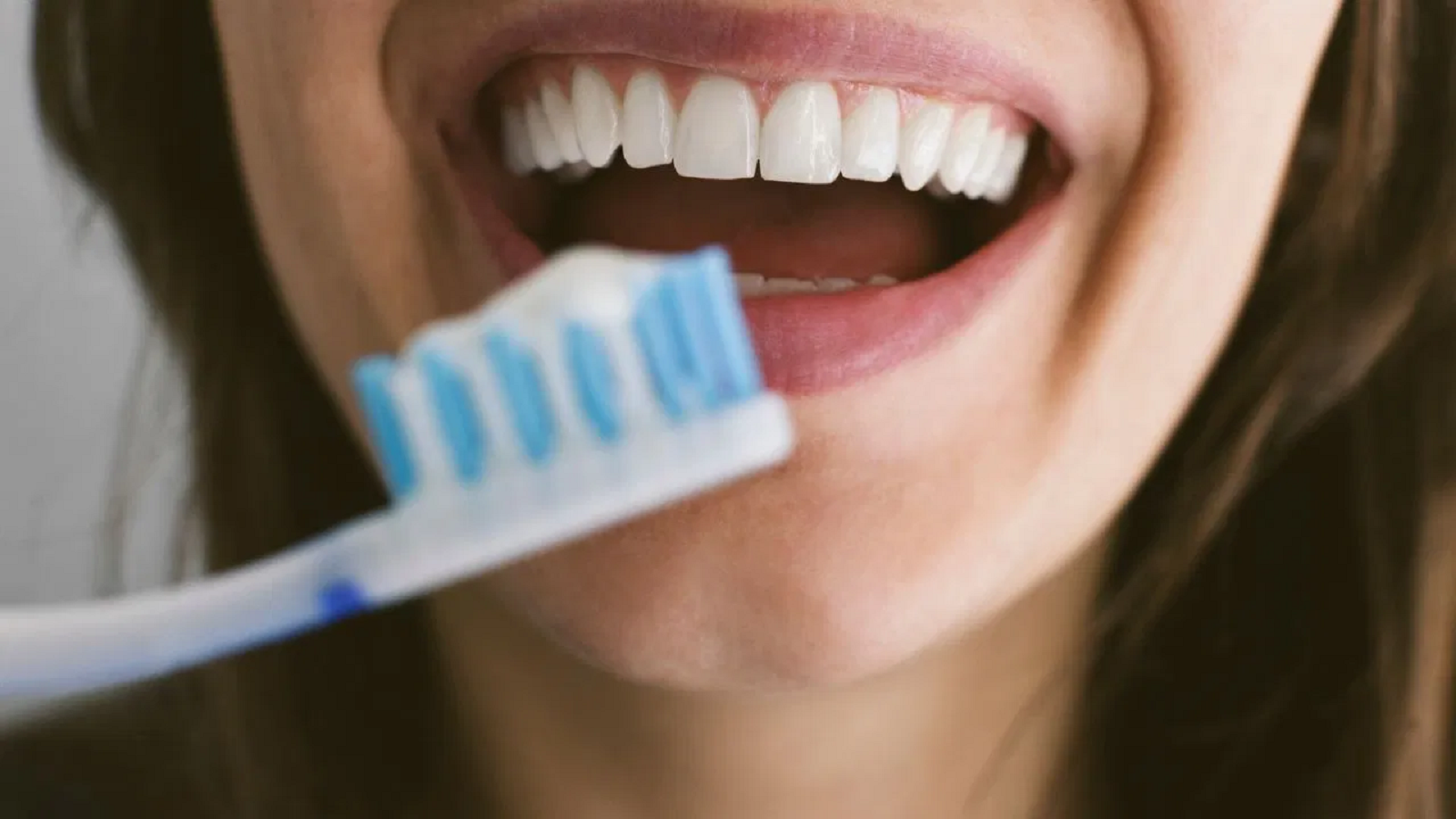
Teeth Cleaning is an important part of maintaining healthy teeth and gums. Even people who brush and floss regularly can develop plaque and tartar in areas that are difficult to clean. For patients in Dubai, routine professional dental care can help remove stubborn buildup and support better oral hygiene before minor concerns become more complicated.
Choosing professional dental care can also help you understand your individual oral health needs. Enfield Dental Clinic Dubai can provide routine dental services and professional guidance to help patients maintain cleaner teeth and healthier gums. A dental examination can determine whether you need a routine cleaning or additional treatment.
Why You May Need Professional Cleaning
Plaque forms naturally on your teeth throughout the day. It contains bacteria and can accumulate when brushing and cleaning between the teeth are not thorough enough.
If plaque remains on the teeth for too long, it can harden into tartar. Unlike soft plaque, tartar generally cannot be removed effectively with a toothbrush.
Professional cleaning helps remove this hardened buildup and provides an opportunity for your dentist to examine your oral health.
Signs You May Need Teeth Cleaning
Certain changes in your mouth can indicate that it may be time for a professional dental appointment.
Visible Tartar Buildup
One of the most noticeable signs is hardened buildup around the gumline or between the teeth. Tartar may appear yellowish or brownish and can make the teeth feel rough.
Brushing harder will not normally remove hardened tartar. Professional dental instruments are needed to remove it safely.
Bleeding Gums
Bleeding while brushing or flossing can sometimes indicate irritation or inflammation around the gums. Although occasional bleeding may have different causes, repeated bleeding should not be ignored.
A dental professional can examine the gums and determine whether plaque or tartar buildup is contributing to the problem.
Persistent Bad Breath
Bad breath that continues despite regular brushing can sometimes be associated with plaque, bacteria, trapped food particles, or gum problems.
Professional cleaning can remove accumulated deposits and improve overall oral cleanliness. If bad breath continues afterward, your dentist can help identify other possible causes.
Stained or Dull Teeth
Coffee, tea, tobacco, and certain foods can contribute to surface staining. Professional cleaning and polishing may remove some external stains and make the teeth appear cleaner.
It is important to understand that cleaning is different from teeth whitening. Cleaning removes deposits and surface stains, while whitening is specifically designed to lighten tooth color.
Gum Swelling or Tenderness
Swollen or tender gums can be another reason to schedule a dental examination. Plaque and tartar around the gumline can irritate the surrounding tissue.
Professional cleaning may help remove contributing deposits, but your dentist should evaluate persistent swelling to determine whether additional treatment is needed.
Do not attempt to treat ongoing gum problems by simply brushing more aggressively, as excessive pressure can further irritate the gums.
A Rough Feeling on Your Teeth
After brushing, healthy tooth surfaces should generally feel relatively smooth. If your teeth feel rough or gritty, especially near the gumline, you may have accumulated tartar.
This sensation can be easier to notice when running your tongue across the teeth. If it persists despite normal brushing, a professional dental examination can determine whether tartar removal is needed.
Why Tartar Is Difficult to Remove at Home
Soft plaque can usually be controlled through proper brushing and cleaning between the teeth. Tartar is different because it has hardened onto the tooth surface.
Trying to scrape tartar away yourself using sharp objects can injure the gums or damage the tooth surface. Professional dental cleaning is a safer approach because dental professionals use appropriate instruments and techniques.
Maintaining daily oral hygiene can help reduce new plaque buildup, but professional care is necessary when tartar has already formed.
What Happens During a Professional Cleaning?
A routine cleaning generally begins with an examination of the teeth and gums. Your dental professional may check for plaque, tartar, staining, gum irritation, and other visible concerns.
Hardened deposits are then carefully removed using specialized dental instruments. Particular attention may be given to the gumline and areas between the teeth.
After cleaning, the teeth may be polished to smooth the surfaces and remove some external stains. Your dentist may also provide recommendations for improving your brushing and interdental cleaning technique.
Can You Need Cleaning Without Symptoms?
Yes. Not everyone experiences obvious symptoms when plaque and tartar accumulate.
This is why preventive dental appointments are useful even when your teeth feel normal. A dentist can identify areas of buildup during an examination and recommend professional cleaning when appropriate.
Waiting until you experience pain is not always the best approach because some oral health problems can develop without significant discomfort in their early stages.
How to Prevent Excessive Plaque Buildup
Daily oral hygiene plays an important role in keeping your teeth cleaner between professional appointments.
Brush twice a day with fluoride toothpaste and clean between your teeth regularly. Pay attention to the gumline while using gentle brushing pressure.
Limiting frequent sugary foods and drinks can also support dental health. Drinking water throughout the day may help rinse away food particles and maintain a healthier oral environment.
Regular dental examinations can further help you stay on top of your oral health.
How Often Should You Have a Cleaning?
The ideal frequency depends on your individual needs. Your dental history, gum health, tartar buildup, oral hygiene routine, and other risk factors can all influence the recommended schedule.
Some patients may benefit from routine professional cleanings at regular intervals, while others may require more frequent care.
Your dentist can assess your oral health and recommend an appropriate schedule rather than relying on a standard routine for everyone.
Final Thoughts
Regular Teeth Cleaning can help remove plaque, tartar, and surface stains while supporting healthy gums and better oral hygiene. Signs such as visible tartar, bleeding gums, persistent bad breath, staining, swelling, or rough tooth surfaces may indicate that it is time for a professional dental assessment.
However, you do not need to wait for symptoms before maintaining preventive dental care. Combining professional cleaning with daily brushing, cleaning between the teeth, healthy habits, and regular dental examinations can help you maintain a cleaner and healthier smile.
 English
Join our community to interact with posts!