
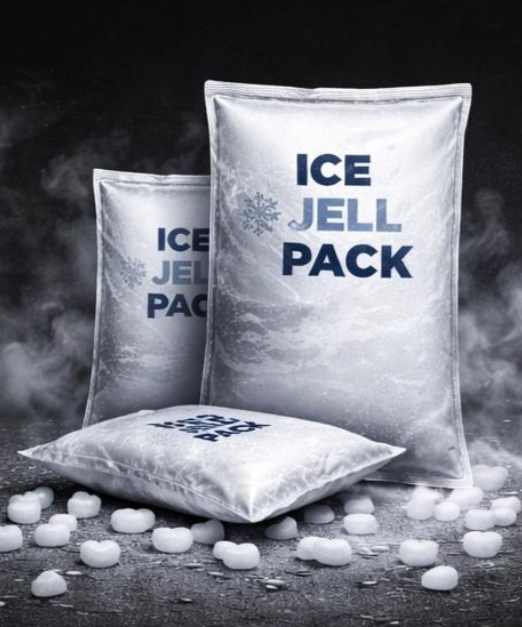
Keeping products at the right temperature during storage and transportation is essential for maintaining quality, freshness, and usability. Many products can be affected by heat, particularly food, beverages, cosmetics, laboratory materials, and certain temperature-sensitive goods. Ice gel packs provide a convenient way to help control temperature and reduce exposure to excessive heat.
Unlike loose ice, gel packs are sealed inside durable containers and can generally be reused multiple times. Their practical design makes them suitable for households, businesses, delivery services, healthcare applications, and outdoor activities. Understanding how ice gel packs work can help businesses and consumers select the right cooling solution for their needs.
What Are Ice Gel Packs?
Ice gel packs are cooling products filled with a gel-based substance that is designed to become cold when frozen or chilled. The gel is contained within a flexible, leak-resistant outer covering.
Before use, the pack is placed in a freezer according to the manufacturer's instructions. Once sufficiently frozen, it can be placed around products inside an insulated bag, box, cooler, or shipping container.
As the gel pack begins warming, it absorbs heat from the surrounding environment. This process helps maintain a lower temperature around the products for a certain period of time.
How Do Ice Gel Packs Keep Products Cool?
The cooling effect of a gel pack is based on heat absorption. When a frozen gel pack is placed next to warmer products, thermal energy naturally moves from the warmer environment toward the colder pack.
The gel gradually absorbs this heat while warming up. As a result, the surrounding temperature can remain lower than it would without a cooling source.
The effectiveness of this process depends on several factors. These include the size of the gel pack, the initial temperature, surrounding temperature, insulation quality, number of packs used, and the amount and temperature of the products being transported.
The Importance of Insulated Packaging
Ice gel packs work most effectively when combined with appropriate insulation. An insulated box or cooler bag slows the movement of heat from the outside environment into the container.
For example, placing a frozen gel pack inside an ordinary open container on a hot day may result in rapid warming. In contrast, placing the same pack inside a properly insulated container can help preserve the cooling effect for longer.
Businesses transporting temperature-sensitive products should therefore consider both the cooling material and the packaging system. Using the correct combination can provide better temperature control throughout transportation.
Common Products That Benefit From Cooling
Food Products
Food transportation is one of the most common applications for ice gel packs. Restaurants, catering companies, grocery services, and food delivery businesses may use cooling packs to help maintain suitable temperatures during transportation.
Products such as dairy items, desserts, fresh produce, and other perishable foods can benefit from appropriate temperature management. Gel packs can be positioned inside insulated containers without creating the puddles associated with melting loose ice.
Beverages
Cold beverages can also be transported using reusable gel packs. They can be placed inside cooler bags or insulated boxes alongside bottles and cans.
The number and size of packs required depend on the volume of products and the expected transportation period.
Cosmetics and Personal-Care Products
Some cosmetic and personal-care products can be affected by excessive heat. During transportation in hot weather, suitable cooling methods may help protect products from undesirable temperature exposure.
Businesses should always follow the manufacturer's storage recommendations because not every cosmetic product requires refrigeration or active cooling.
Temperature-Sensitive Materials
Certain laboratory and specialized commercial materials may require controlled temperature conditions. In these cases, gel packs can form part of a larger temperature-management system.
However, specialized products may have strict temperature requirements. Businesses should use validated packaging and monitoring methods when necessary rather than assuming that a standard gel pack alone will provide sufficient protection.
Benefits of Using Ice Gel Packs
One major advantage of ice gel packs is that they are reusable. After use, many types can simply be returned to the freezer and prepared for another cooling cycle.
Another advantage is convenience. Because the cooling material is enclosed within a sealed package, gel packs generally do not produce the same amount of liquid mess as traditional melting ice.
They are also available in different sizes and shapes. Small packs can fit inside lunch bags, while larger packs can be used for commercial transportation.
Click Here to explore more information about cooling solutions and understand how different types of reusable packs can be selected according to specific product-handling requirements.
Ice Gel Packs vs. Traditional Ice
Traditional ice and gel packs both provide cooling, but they function differently in practical situations.
Loose ice gradually melts and produces water. This can be useful in certain coolers but may create problems when moisture-sensitive products are being transported.
Gel packs remain enclosed within their outer packaging, making them easier to handle and reuse. They can also be arranged around products in a more organized way.
Traditional ice may still be appropriate when large quantities of cooling material are needed or when water from melting does not present a problem. The best option depends on the transportation conditions and the products involved.
Factors That Affect Cooling Performance
Several conditions can influence how long a gel pack remains effective.
Ambient Temperature
Higher outside temperatures cause cooling packs to warm more quickly. During hot weather, additional insulation may be particularly important.
Insulation
High-quality insulation reduces heat transfer and helps extend the useful cooling period of the pack.
Pack Size
Larger gel packs generally contain more cooling material and may provide longer-lasting cooling under comparable conditions.
Number of Packs
Using multiple packs can provide more cooling capacity, particularly when transporting a large quantity of products.
Product Temperature
Products that are already chilled place less thermal demand on the cooling system than products starting at room temperature.
How Businesses Can Use Gel Packs Effectively
Businesses should first determine the temperature requirements of the products they transport. This helps them select appropriate packaging and cooling materials.
Gel packs should be frozen according to the manufacturer's instructions and arranged strategically inside the insulated container. The products should be packed securely so that the cooling packs remain positioned around the intended areas.
For longer journeys, businesses may also need temperature monitoring devices to confirm that the required conditions are maintained throughout transportation.
Proper Handling and Storage
Correct handling can extend the life of reusable gel packs. After each use, the exterior should be cleaned and dried according to the manufacturer's recommendations.
Before freezing a pack again, inspect it for punctures, cracks, leaks, or other damage. A damaged pack should be replaced instead of reused.
Gel packs should also be protected from sharp objects that could puncture their outer covering. Following the product's specific instructions is important because different gel packs may have different freezing and storage requirements.
Safety Considerations
Although gel packs are generally simple to use, they should still be handled responsibly. Extremely cold packs may cause skin discomfort or injury when placed directly against bare skin for prolonged periods. A protective cloth or barrier can be used for cold-therapy applications where appropriate.
For food transportation, users should also ensure that the gel pack's packaging is suitable for the intended application and avoid direct food contact unless the product is specifically designed for it.
Conclusion
Ice gel packs provide a convenient and reusable method for helping keep products cool during transportation and temporary storage. Their ability to absorb surrounding heat makes them useful for food delivery, beverages, personal-care products, lunch boxes, coolers, and various commercial applications.
Their performance is influenced by factors such as pack size, ambient temperature, insulation, product temperature, and transportation duration. Combining the right gel packs with suitable insulated packaging can provide more effective temperature management.
For businesses and consumers, understanding these factors makes it easier to choose and use cooling packs efficiently. With proper preparation, handling, and storage, reusable ice gel packs can offer a practical solution for managing temperature and protecting products from excessive heat.
 English
Join our community to interact with posts!