
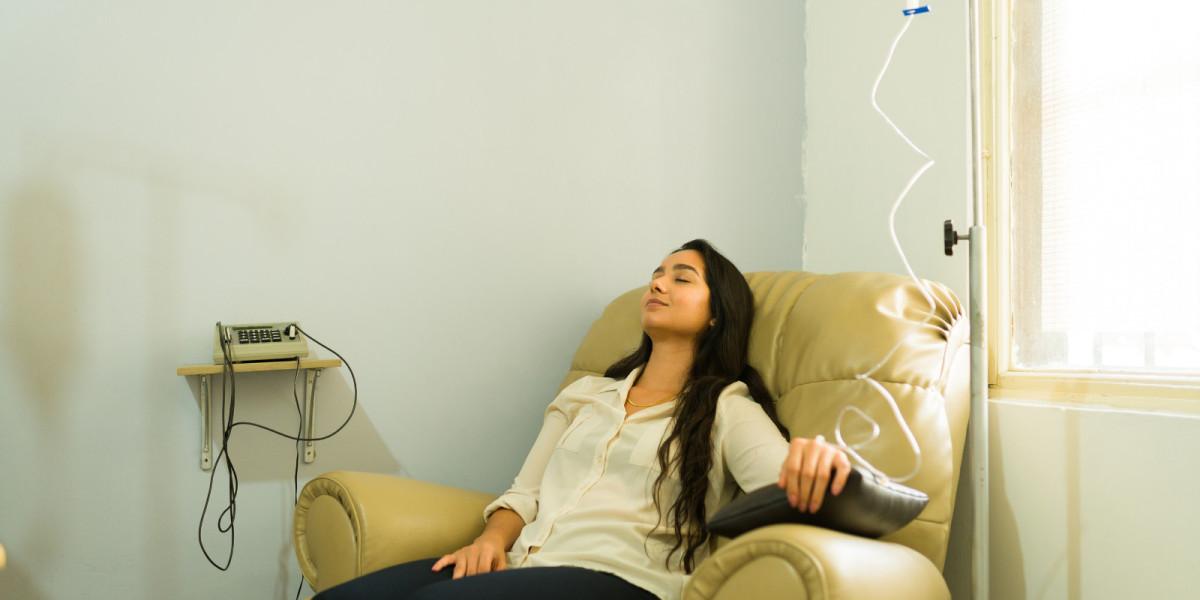
Modern healthcare is increasingly focused on making professional treatment more accessible and comfortable. IV Drip at Home is one option that allows eligible patients to receive intravenous hydration in a familiar environment instead of traveling to a clinic. With qualified healthcare professionals, appropriate assessment, and proper safety procedures, home IV therapy can offer convenience while maintaining a professional standard of care.
For people looking for convenient healthcare support in Dubai, services such as Doctor at home in Dubai can also make it easier to receive an initial assessment and determine whether home-based treatment is appropriate. A healthcare professional can review the patient's situation and recommend the safest option based on individual needs.
What Is an IV Drip at Home?
An IV drip delivers fluids or prescribed medications directly into a vein through a small intravenous line. Because the substance enters the bloodstream directly, IV therapy can be useful in situations where a healthcare professional determines that intravenous treatment is appropriate.
With IV Drip at Home, the treatment takes place at the patient's residence. A qualified professional brings the necessary medical equipment, prepares the treatment area, establishes the IV line, and monitors the patient during the infusion.
Home treatment does not mean that professional standards should be reduced. Proper hygiene, sterile equipment, patient assessment, and appropriate monitoring remain important throughout the process.
Why Choose Home IV Therapy?
One of the biggest advantages of home IV therapy is convenience. Visiting a healthcare facility may require arranging transportation, waiting for an appointment, and spending additional time away from home or work. A home-based service can reduce some of these practical difficulties.
For patients who are suitable candidates, receiving treatment at home may also provide a more relaxed experience. Being in a familiar environment can make the process feel less stressful, particularly for people who prefer privacy and comfort during healthcare appointments.
Another benefit is that professional care can be provided without making a separate trip to a clinic. This can be especially convenient for individuals with busy schedules or those who find travel difficult.
How Does an IV Drip at Home Work?
The process generally begins with a professional assessment. The healthcare provider considers the patient's symptoms, medical history, current condition, and treatment requirements before deciding whether IV therapy is appropriate.
Professional Assessment Comes First
A proper assessment is an important part of safe IV treatment. Not everyone needs an IV infusion, and some medical conditions may require a different type of care. A qualified provider should determine whether intravenous hydration is suitable rather than treating IV therapy as a routine wellness procedure for everyone.
Preparing the IV Treatment
If treatment is considered appropriate, the healthcare professional prepares the necessary supplies and selects a suitable vein for the IV line. Sterile techniques are used to reduce the risk of contamination and infection.
Once the IV is placed correctly, the prescribed fluid or treatment is administered according to the healthcare provider's instructions. The infusion rate may be adjusted depending on the patient's condition and the specific treatment.
Monitoring During the Infusion
Patient monitoring remains important throughout an IV session. The healthcare professional may observe the IV site and the patient's general condition for any signs of discomfort or an unexpected reaction.
If the patient experiences unusual symptoms, they should immediately inform the healthcare professional. This allows the provider to assess the situation and take appropriate action.
What Are the Benefits of IV Hydration?
IV hydration may provide fluid replacement when a healthcare professional determines that intravenous fluids are needed. Hydration plays an important role in normal body functions, and maintaining adequate fluid levels is essential for overall health.
However, the benefits of IV therapy depend on the individual's condition and the specific treatment provided. It should not be considered a universal solution for tiredness, dehydration, or general wellness.
A professional assessment helps ensure that treatment is being used for an appropriate reason and that the selected approach matches the patient's needs.
Is IV Drip at Home Safe?
When performed by appropriately qualified healthcare professionals using proper medical procedures, IV Drip at Home can be a suitable option for selected patients. Safety depends on several factors, including patient assessment, sterile equipment, correct IV placement, appropriate treatment selection, and monitoring.
Patients should choose providers who follow professional healthcare standards and have qualified staff available to perform IV therapy. They should also provide clear information about the treatment and explain what patients should expect during the appointment.
It is important not to arrange IV therapy solely because it is convenient. Medical suitability should always come first.
Preparing for Your Home IV Treatment
Patients can make their appointment easier by preparing a clean, comfortable area where the healthcare professional can work. Wearing comfortable clothing can also make it easier for the provider to access the selected IV site.
It is helpful to provide accurate information about current medications, allergies, medical conditions, and previous reactions to treatments. Honest communication gives the healthcare professional important information needed for safe care.
Patients should also follow any instructions provided before the appointment and ask questions if they are uncertain about the treatment.
Choosing a Professional Home IV Service
When considering IV Drip at Home, patients should focus on the quality and professionalism of the healthcare service rather than convenience alone. A reputable provider should have appropriately qualified healthcare professionals, suitable medical equipment, proper infection-control procedures, and a clear assessment process.
Patients should understand what treatment is being provided and why it has been recommended. They should also know how to contact the provider if they experience concerns after the appointment.
A Convenient Approach to Modern Healthcare
Home-based healthcare continues to provide patients with more flexible ways to access professional support. IV Drip at Home can be a convenient option for eligible individuals who require intravenous hydration or another professionally recommended IV treatment.
The main advantage is the combination of convenience and professional care. Instead of spending additional time traveling to a healthcare facility, suitable patients can receive treatment in a familiar setting while still being assessed and monitored by qualified professionals.
Whether home IV therapy is appropriate depends on the individual's health needs and professional medical assessment. Choosing a qualified provider and following proper safety procedures can help make the experience both convenient and responsible.
 English
Join our community to interact with posts!