
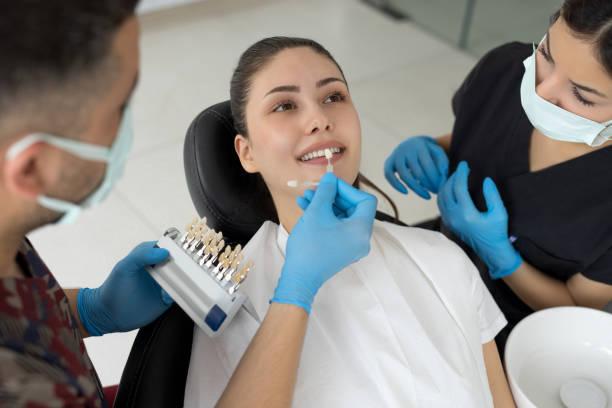
Everybody asks this before they even sign up, and honestly, fair question, nobody wants to commit to years of trays or wires without knowing what they're actually signing up for. Truth is, there's no single answer, timelines swing wildly depending on how crooked things are to start. Some people wearing clear braces on teeth finish in six months. Others, dealing with real crowding or bite issues, are looking at eighteen months, sometimes closer to two years. Depends entirely on the mouth.
What Actually Determines the Timeline
A bunch of factors stack up here, not just one thing. How much crowding you've got, whether it's just cosmetic straightening or an actual bite correction, your age even plays a role since younger patients' bones respond quicker generally. Someone with mild spacing issues, maybe a little crookedness up front, that's a much shorter case than someone dealing with an overbite or teeth that need real rotation. Clear braces on teeth work faster the less correction they're being asked to do, simple as that really.
Mild Cases Move Fast, Complex Ones Don't
If your case is mild, think minor gaps or slight crowding, you could be done in four to six months honestly, sometimes even less with certain systems. That's the appeal for a lot of adults who just want a quick cosmetic fix before a wedding or some event coming up. But complex cases, ones involving jaw alignment or teeth that need to physically rotate in the socket, those take longer no matter what, sometimes eighteen months plus, and rushing it just risks relapse later.
Comparing Clear Braces to Traditional Metal Options
People assume clear braces on teeth are automatically faster than metal, and that's not really true across the board. For straightforward cases, sure, some clear systems move quicker since they're adjusted more frequently, sometimes weekly instead of the six week gaps traditional braces need. But for genuinely complex bite issues, traditional metal braces sometimes actually outperform clear options on speed, since they can apply more consistent force throughout treatment without relying on patient compliance quite as heavily.

Why Compliance Changes Everything With Clear Options
Here's the catch nobody mentions enough, if you're using clear aligners specifically, not fixed clear brackets, your timeline depends heavily on you actually wearing the thing. Twenty two hours a day is the usual recommendation, and people who slack off, take them out too often, extend their own treatment without realizing it. Fixed clear braces on teeth don't have this problem since they're not removable, but aligners absolutely do, and it's the number one reason timelines run longer than projected.
The Role Regular Dental Visits Play in Treatment Speed
Something people underestimate, ongoing dental care during orthodontic treatment actually affects how smoothly things progress. A deep dental cleaning before starting treatment clears out any hidden issues, plaque buildup, minor gum inflammation, stuff that could complicate things once brackets or aligners go on. Starting treatment with a clean, healthy mouth genuinely speeds things along, since the orthodontist isn't fighting existing dental problems while also trying to move teeth into position.
Why Deep Dental Cleaning Matters Mid-Treatment Too
It's not just a before-treatment thing either. Getting a deep dental cleaning periodically throughout your clear braces journey helps prevent decay around brackets or under aligner trays, areas that trap plaque more than usual since brushing gets trickier with hardware in your mouth. Skipping these cleanings during treatment sometimes leads to white spot lesions or minor cavities that then need addressing, which can genuinely add weeks or months onto an otherwise on-track timeline.
- Mild crowding cases typically finish in four to six months
- Complex bite corrections often run twelve to eighteen months plus
- Compliance with removable aligners directly affects total treatment time
- Regular deep dental cleaning during treatment prevents complications and delays
Age and Biology Play a Bigger Role Than You'd Think
Teenagers generally move through clear braces on teeth treatment faster than adults, purely biological, their bone remodels quicker since growth's still happening to some degree. Adults aren't stuck forever though, just usually looking at slightly longer timelines for comparable cases. Bone density, previous dental work, even things like smoking can slow tooth movement down noticeably, something orthodontists factor into their initial timeline estimates even if they don't always explain why upfront.
What Happens After the Active Treatment Ends
Finishing active treatment doesn't mean you're totally done, there's a retention phase after, wearing retainers to keep teeth from drifting back. Skip this part and all that time spent in clear braces on teeth can basically get undone within a year or two, teeth are stubborn, they want to go back to where they started. Most orthodontists recommend nightly retainer wear indefinitely, or at minimum for several years post-treatment, which honestly surprises a lot of patients expecting to be fully finished.
Setting Realistic Expectations From the Start
Talk to your orthodontist honestly about your specific case rather than comparing timelines with a friend who had totally different dental issues. Ask for a projected timeline upfront, understand it's an estimate not a guarantee, and factor in your own compliance level if aligners are part of the plan. Combining that honest conversation with consistent deep dental cleaning appointments throughout treatment gives you the best shot at hitting that estimated timeline instead of watching it stretch out unexpectedly.
Conclusion
So how long do clear braces actually take? Depends, genuinely, on your starting point, your compliance if aligners are involved, and how well you keep up with dental maintenance along the way. Mild cases wrap up in months, complex ones take considerably longer, and there's no shortcut around biology no matter how much anyone wants one. Keep up with deep dental cleaning appointments, wear your aligners like you're supposed to if that's your treatment type, and trust the process even when it feels slow some weeks.
FAQs
1. Can clear braces on teeth fix an overbite, not just crowding? Yes, though bite corrections typically take longer than cosmetic straightening alone, often extending treatment timelines by several months compared to simple crowding cases.
2. How often should I get a deep dental cleaning during orthodontic treatment? Most dentists recommend every six months, same as normal, though some orthodontists suggest more frequent cleanings if you're prone to plaque buildup around brackets or aligner trays.
3. Do adults take longer than teens with clear braces treatment? Generally yes, adult bone remodels slower than a teenager's, so comparable cases often run a bit longer for adults, though it varies based on overall dental health too.
4. What happens if I don't wear my retainer after finishing treatment? Teeth can shift back toward their original position within a year or two, sometimes undoing a good chunk of the progress made during active clear braces treatment.
 English
Join our community to interact with posts!