
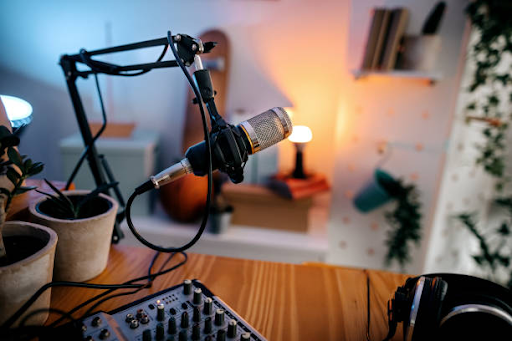
A lot of businesses want to start a podcast. Then reality kicks in. Where do you record it? What microphone should you buy? Why does the room suddenly sound like an empty garage? And who is going to edit all of it? If you’ve been looking for a podcast studio near me in Dallas, chances are you want to avoid some of that headache. Fair enough. A decent studio gives you a place where the technical side is already handled, so you can spend more time talking about things your audience actually cares about. That can make a pretty big difference when you’re trying to get noticed.
Good Sound Makes People Stay
You can have the smartest guest in the industry and the most interesting topic around, but if the audio is rough, people may leave. Simple as that. Nobody wants to keep turning their volume up and down because one person sounds quiet while the other sounds like they’re standing beside a washing machine. A professional podcast studio takes care of a lot of those problems. The microphones are suited for spoken audio. The room is treated properly. Lighting and cameras can be set up if you’re recording video too. You’re not spending half the session asking, “Can you hear me now?” That might sound like a small thing, but it isn’t. When the recording sounds clean, people can concentrate on what’s being said instead of noticing everything that’s wrong with the recording.
People Want to Hear the Person Behind the Business
Branding can get a little stiff sometimes. Website copy is polished. Ads are polished. LinkedIn posts are polished. Everything starts sounding like it went through the same machine. A podcast gives you a chance to get out of that. You can hear how someone actually thinks. Maybe they tell a story they wouldn’t put on their website. Maybe they disagree with a common industry opinion. Maybe they make a joke that wasn’t planned. Those moments are useful. They make a business feel like it has actual people behind it. For business owners and executives, that personal side can be especially valuable. Customers don’t always want another sales message. Sometimes they just want to understand who they’re dealing with and whether that person knows their stuff.
One Recording Can Turn Into a Lot More Content
Here’s one of the better parts of podcasting. You don’t have to treat the finished episode as one single piece of content and call it a day. There’s usually much more sitting inside that recording. A 40-minute conversation could give you several short clips. One strong answer could become a LinkedIn post. A useful explanation might work as an article. There could be a quote worth putting on social media too. And if you record video, you’ve got even more options. That matters because creating fresh content every morning is exhausting, and most businesses simply aren’t going to keep up with it. Record one useful conversation, then pull the good stuff out of it. It’s a more practical way to keep showing up.
A Podcast Needs More Than Cameras and Microphones
This is where it gets interesting. A fancy studio does not automatically equal a successful podcast. You can sit in the nicest room in Dallas, surrounded by great equipment, and still produce a boring show. The problem isn’t the microphone, then. It’s the idea. A b2b podcast agency can help with the part that happens before and after recording. Who are you trying to reach? What should the show actually talk about? Which guests make sense? How can each episode support the brand without turning into a 45-minute advertisement? Those questions matter. Especially for B2B companies. The audience is usually smart enough to notice when every conversation is secretly trying to sell them something. Talk about real problems. Share experience. Let the sales pitch take a back seat.
The Guests Can Bring New People Into the Room
Guests are another reason podcasts can help a brand grow. Think about it. You invite someone with experience, knowledge, or a decent following in your industry. You have a conversation. They get exposure, you get a useful episode, and their audience may discover your company along the way. It won’t happen every time. Some guests barely share their own episode. Others might send it around to everyone they know. You can’t really control that. What you can control is choosing people who make sense for your audience. And sometimes the biggest value isn’t the number of views. It’s the relationship you build with that guest. A conversation today can turn into a referral, partnership, or introduction months later. Marketing doesn’t always happen in obvious ways.
Video Gives the Podcast Another Life
Audio is still important, but video has changed how podcasts are used. People watch conversations on YouTube. They see short clips while scrolling through social media. They might come across a 45-second answer from your podcast without ever knowing there’s a full episode behind it. That’s an opportunity. A good recording studio can give you proper video footage alongside the audio, which means you’re not trying to film everything with a random webcam in your office. You can then use different pieces on LinkedIn, Instagram, YouTube, and other channels. The content doesn’t have to be identical everywhere either. Cut a useful section for one platform. Use a different moment somewhere else. Keep the original episode available for people who want the full conversation.
Don’t Expect Overnight Results
This part gets ignored a lot. A podcast probably won’t transform your brand after three episodes. Maybe your first episode gets 47 listens. That’s not necessarily a disaster. It’s 47 people who gave you some of their time. The bigger opportunity comes from staying consistent and getting better as you go. You learn which subjects get people talking. You figure out which guests fit. You stop asking questions that lead nowhere. Your delivery gets more comfortable too. Having a regular studio can make that consistency easier because you’re not rebuilding your recording setup every single time. There’s a routine. You show up, record, leave. Then the next episode happens. Boring consistency is often what separates a real content channel from something a company tried once.
Look Beyond Downloads and Views
Of course, you should track performance. Just don’t get obsessed with one number. Downloads and views tell you something, but they don’t tell the whole story. Look at which episodes keep people listening. See which topics bring traffic to your website. Notice whether people mention an episode during sales conversations. Maybe someone sends an email saying they found your company after hearing an interview. That’s useful information. A business podcast should eventually support the bigger marketing picture, not exist in its own little bubble. Sometimes an episode gets fewer views but attracts exactly the kind of person you want as a customer. I’d take that over thousands of random views any day.
The Studio Is the Starting Point, Not the Whole Plan
So, can a podcast studio help grow your brand and audience? Yes. But let’s be real about what it can and can’t do. The studio gives you the environment, equipment, and production quality. It removes some of the annoying technical stuff. Working with a b2b podcast agency can also provide the production support needed to turn your ideas into consistent, professional content. It can make the whole recording process feel more serious, which helps when you’re trying to build a regular show. But the actual growth comes from what happens inside those microphones. Have useful conversations. Bring on people worth hearing from. Talk about problems your audience really has. Then distribute the good moments instead of letting a finished episode sit unnoticed on one platform. The short answer is, a studio can give your podcast a much better foundation. What you build on that foundation is what gets people to stick around.
 English
Join our community to interact with posts!