
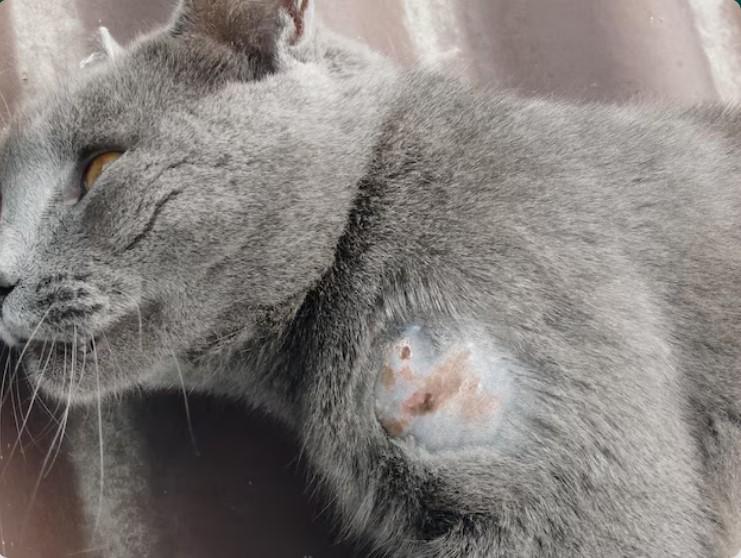
An open wound on a cat can happen because of a scratch, bite, accident, or fight with another animal. Although some wounds are small and may heal with proper care, open injuries can become infected if they are not cleaned and monitored. Understanding the right steps can help support your cat’s recovery.
Examine the Wound Carefully
Before treating an open wound, gently examine the affected area. Look for bleeding, swelling, dirt, puncture marks, or foreign objects. If the wound is deep, very painful, or heavily bleeding, it is better to contact a veterinarian instead of trying to manage it yourself.
Cats may react aggressively when they are in pain, so handle your pet carefully and avoid putting yourself at risk of being scratched or bitten.
Gently Clean the Open Wound
Cleaning is one of the most important parts of caring for a minor open wound. Wash your hands first and gently rinse the affected area with sterile saline or clean lukewarm water.
Rinsing can help remove dirt and surface debris without damaging the surrounding tissue. Avoid vigorous scrubbing because this can irritate the wound and slow the healing process.
After cleaning, gently pat the surrounding skin dry using clean gauze.
How to Heal an Open Wound on a Cat Fast
Many owners wonder how to heal an open wound on a cat fast, but there is no safe method that guarantees immediate healing. The best approach is to keep the wound clean, prevent your cat from licking or scratching it, and monitor the area regularly.
Avoid applying random household remedies or human medications. Some products can irritate the wound or be harmful if your cat licks them.
Stop Your Cat From Licking the Wound
Cats naturally groom themselves, but licking an open wound can interfere with healing. Your cat’s tongue can irritate damaged tissue and introduce bacteria into the injured area.
If your cat repeatedly licks or scratches the wound, ask your veterinarian about using an Elizabethan collar or another suitable protective option.
Watch for Signs of Infection
An open wound can become infected, particularly after an animal bite or puncture injury. Check the wound regularly for changes.
Signs that may indicate infection include increasing redness, swelling, warmth, pus, unusual discharge, or a bad smell. Your cat may also become less active, lose appetite, hide more than usual, or seem painful.
If these symptoms develop, contact a veterinarian promptly.
Avoid Harmful Products
Do not automatically use hydrogen peroxide, rubbing alcohol, essential oils, or human medications on your cat’s open wound. These products can cause irritation or other health problems.
For basic cleaning, sterile saline or clean lukewarm water is generally a safer option for a minor wound. If you are unsure about what to apply, ask a veterinarian before using any medication or ointment.
When Your Cat Needs a Veterinarian
Some open wounds require professional treatment. Contact a veterinarian if the wound is deep, large, heavily contaminated, caused by a bite, or located near the eye or another sensitive area.
Veterinary attention is also important if bleeding continues, swelling increases, the wound produces discharge, or your cat shows signs of illness.
Cat bite wounds can be particularly concerning because bacteria may be pushed deep beneath the skin even when the visible wound is very small.
Help Your Cat Recover
During recovery, keep your cat in a clean and comfortable environment. If possible, limit outdoor activities and rough play until the wound has improved.
Check the injury regularly and look for gradual improvement. Taking photographs can help you compare the wound from one day to the next.
Final Thoughts
There is no instant solution for healing an open wound, but proper care can support normal recovery. Keeping a minor wound clean, preventing licking, and watching for infection are important steps.
If the wound is deep, infected, bleeding heavily, or caused by another animal, professional veterinary care is recommended. Early treatment can help prevent complications and give your cat the best opportunity for a healthy recovery.
 English
Join our community to interact with posts!