
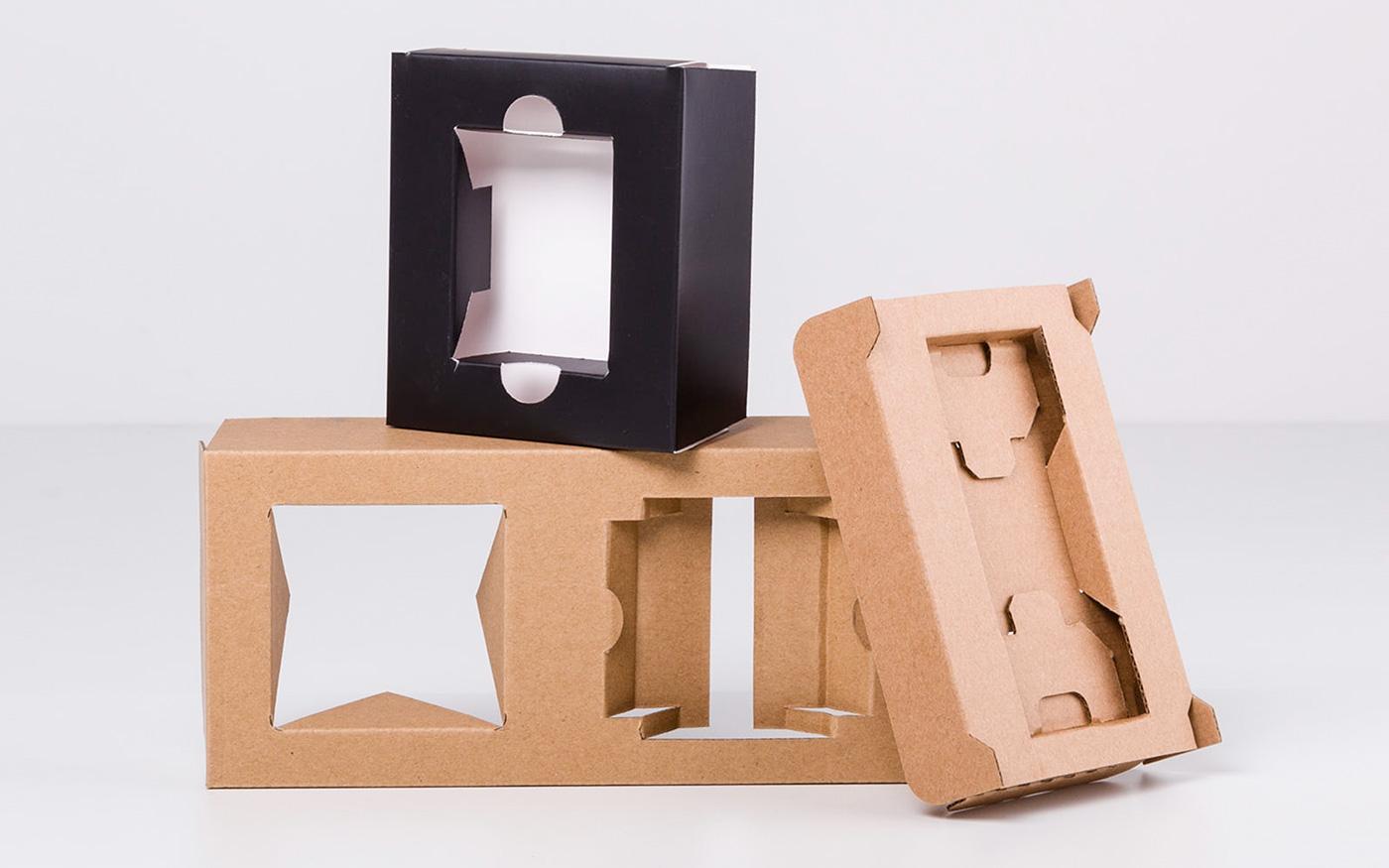
How Packaging Inserts Can Work With Automated Packing Systems
Packaging inserts are commonly handled by people, but some packing operations also use conveyors, robotic arms, pick-and-place equipment, cameras, and other automated systems. In these environments, the insert needs to interact consistently with both the product and the equipment. Different forms of internal packaging, including foam, cardboard, corrugated, molded pulp, and divider structures, are discussed at Inserts Hub as part of wider packaging design and product organization.
Automated equipment usually depends on repeatable positions. A person can often compensate when a component is slightly misaligned, but a machine follows programmed movements. This makes cavity position, product orientation, insert dimensions, and access points especially important.
Why Repeatability Matters in Automated Packing
Automation works best when each package arrives in a predictable condition.
If one insert sits differently from the next, a robot may not find the cavity where it expects it.
Similarly, if products can rotate before loading, the equipment may need additional vision or alignment steps.
Repeatable packaging reduces these variations.
The insert becomes part of the positioning system because it defines where the product should be placed.
Five Ways Insert Design Can Support Automation
Several aspects of an insert can influence automated packing:
-
Consistent cavity location
Each cavity should remain in the same position relative to the outside edges of the insert. -
Clear product orientation
Asymmetrical cavities can help ensure that a product enters in only one intended direction. -
Accessible gripping areas
Robots may need open areas where suction cups, grippers, or mechanical fingers can reach the product. -
Stable insert position
The insert should sit consistently inside the outer box without rotating or shifting before loading. -
Predictable insertion force
Products should not require widely varying levels of force to enter their cavities.
These features can help equipment repeat the same movement from one package to the next.
Robotic Grippers Need Physical Access
Automated systems use different methods to handle products.
Some machines use suction cups.
Others use two-sided grippers, mechanical fingers, or specialized end-effectors.
The insert layout should leave enough access for the selected handling method.
For example, a robot gripping a bottle from the sides needs clearance around those surfaces until the bottle has been placed.
If cavity walls rise too high, the gripper may contact the insert before releasing the product.
Details That Can Cause Automation Problems
Common issues can include:
-
Cavities positioned inconsistently between inserts.
-
Flexible walls that bend into the loading path.
-
Products that can enter the cavity in several unintended orientations.
-
Narrow openings that require excessive insertion pressure.
-
Insert surfaces that prevent the robot from releasing the product cleanly.
These issues may be manageable during manual packing but become more noticeable when the same motion is repeated automatically.
Insert Features for Automated Packing
| Feature | Automation Need | Insert Design Consideration | Possible Benefit |
|---|---|---|---|
| Fixed cavity position | Repeatable robot movement | Maintain consistent dimensions | Predictable placement |
| Open gripping area | Tool access | Leave sides or top accessible | Easier product release |
| Orientation control | Correct product direction | Use shaped cavities | Fewer alignment errors |
| Stable base | Consistent insert location | Prevent rotation inside box | Repeatable loading position |
Vision Systems May Depend on Clear Shapes
Some automated packing systems use cameras to identify products and packaging positions.
High-contrast edges and clearly defined cavity shapes can help the system recognize where an item belongs.
Visual complexity can make this process more difficult.
For example, loose flaps or flexible material extending over the cavity may change the appearance from one cycle to another.
A consistent visual profile can support machine vision where cameras are used for alignment.
Foam Inserts Need Dimensional Consistency
Foam can work with automated loading, but the material's flexibility needs consideration.
If cavity walls vary significantly in shape or compression, insertion force may change.
A robot programmed to lower a product to a fixed depth expects the cavity to respond within a predictable range.
A very tight opening may create resistance.
A cavity that is too loose may allow the product to settle in a different position.
Material density, cutting accuracy, and cavity dimensions therefore influence repeatability.
Cardboard Inserts Can Provide Mechanical Reference Points
Cardboard structures can create straight walls, platforms, slots, and corners that act as reference points.
These features can help position both the insert and the product.
However, flat-packed inserts need to be assembled consistently.
A locking tab that is not fully engaged can change the position of a wall.
For automated operations, small assembly differences can affect the loading path.
The completed insert should therefore maintain a stable geometry before it reaches the product-loading stage.
Product Orientation Is Often Critical
Many products have a front, back, top, or connection side.
A manual packer can recognize these features and rotate the product when necessary.
An automated system usually requires orientation to be controlled earlier.
The insert can help by using a cavity that accepts the product only in the intended direction.
A connector, handle, cap, or uneven product profile may provide a useful reference for the cavity shape.
This can reduce the number of possible positions after placement.
Insertion Force Should Remain Predictable
Robotic equipment performs programmed movements with controlled force.
An insert that sometimes accepts the product easily and sometimes grips it tightly can introduce variation.
This can happen if material thickness changes, cavity dimensions vary, or flexible sections move into the opening.
A predictable fit is therefore important.
The cavity does not necessarily need to be loose.
It needs to behave consistently enough for the equipment to repeat the placement process.
Outer Box Position Also Matters
The insert does not operate independently from the box.
If the outer carton arrives at different positions on a conveyor, the insert will also move relative to the loading equipment.
Some automated systems use guides or fixtures to position boxes before loading.
The insert should sit consistently against the expected reference surfaces.
Excessive space between the insert and box walls can allow the entire internal structure to shift before the product is placed.
Automated Inspection Can Use the Insert Layout
Some packing lines use cameras, sensors, or weight checks after products are loaded.
A structured insert can make these checks easier.
Each component has an expected position.
An empty cavity may be detected visually.
A product placed at the wrong angle may also appear different from the expected image.
This makes the insert part of the inspection process as well as the physical packaging.
Multi Product Kits Need Predictable Sequences
Automation becomes more complex when several products share one box.
Each component needs an assigned location and loading sequence.
The first item should not block the equipment from placing the second.
Grippers need enough room to enter and exit between products.
A larger component may be loaded before smaller accessories, or the sequence may be reversed depending on the layout.
The insert should support this order without requiring already-loaded products to be moved.
Prototype Testing Should Include the Equipment
An insert can work during manual testing and still cause issues on an automated line.
Where possible, the packaging sample should be evaluated using the same type of handling process expected during production.
Testing can reveal whether grippers have enough clearance, whether cavities are aligned, and whether the product releases cleanly.
It can also show whether flexible sections move when exposed to machine motion or conveyor vibration.
Insert Design Can Support Machine Consistency
Automated packaging depends on repeatable actions.
The product needs to arrive in a predictable orientation, the insert needs to remain in a consistent position, and the equipment needs unobstructed access to the loading area.
Packaging inserts can support these requirements through controlled cavity placement, stable geometry, accessible gripping areas, and predictable product fit.
In this context, the insert is not only a product holder. It also becomes a physical reference that helps connect the product, box, and automated packing process.
 English
Join our community to interact with posts!