
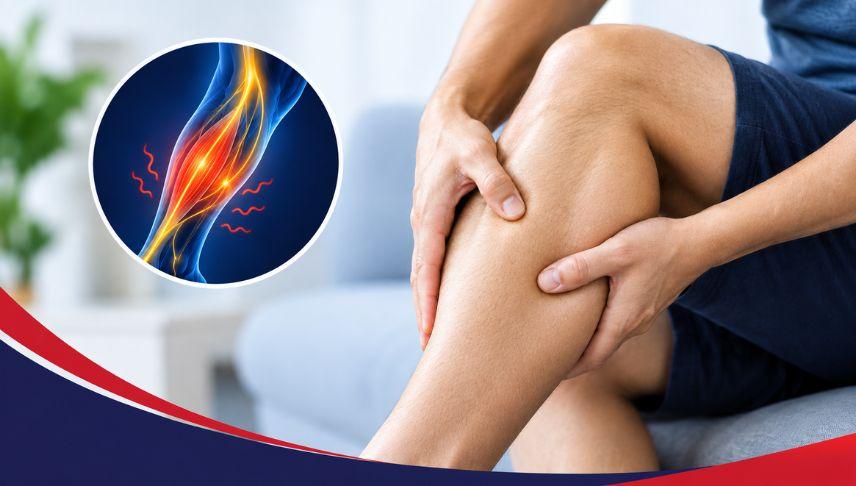
A swollen knee can make simple daily activities difficult. Walking, climbing stairs, bending the leg, or even standing for a long time may become painful. Persistent swelling can sometimes be a sign of an injury, arthritis, or another underlying joint condition. Learning about swollen knee treatment early can help reduce pain, improve movement, and prevent further damage.
Swelling often develops when excess fluid collects around the knee joint due to inflammation or injury. The exact cause can vary from minor strains to more complex medical conditions. Visiting a healthcare provider for swollen knee treatment in North Richland Hills can help identify the source of the problem and guide the most effective treatment plan.
What is a Swollen Knee?
A swollen knee occurs when fluid builds up inside or around the knee joint. This extra fluid causes the knee to look larger than normal and may make it feel stiff, warm, or painful. Swelling can happen suddenly after an injury or develop slowly over time because of conditions such as arthritis or inflammation.
The knee is one of the largest and most active joints in the body. It supports body weight during walking, running, and many everyday movements. When the joint becomes irritated or damaged, the body responds by sending fluid to protect the area
What Causes a Swollen Knee?
Many different conditions can lead to knee swelling. Some causes are temporary and improve with rest, while others require medical treatment to prevent ongoing joint damage. Understanding the cause helps doctors choose the right treatment plan.
- Sports injuries involving ligaments, tendons, or cartilage
- Meniscus tears
- Knee bursitis
- Osteoarthritis
- Rheumatoid arthritis
- Gout or pseudogout
- Joint infections
- Fractures around the knee
- Repetitive stress injuries
- Excess body weight increasing pressure on the joint
- Autoimmune disorders affecting the joints
- Overuse from physical work or exercise
Signs and Symptoms of a Swollen Knee
The symptoms of a swollen knee can vary depending on what is causing the problem. Some people develop swelling immediately after an injury, while others notice it gradually over several days. Along with swelling, the knee may become painful, feel tight, or be difficult to move. In some cases, knee swelling may be accompanied by redness, warmth, or a feeling that the joint is unstable.
Certain conditions, such as infections or inflammatory arthritis, can also cause fever or severe pain. If swelling continues for several days or keeps returning, it is important to seek medical care. Visiting a knee pain clinic in North Richland Hills allows healthcare providers to identify the underlying cause and recommend the most appropriate treatment before the condition becomes more serious.
How is a Swollen Knee Diagnosed?
Diagnosing the cause of a swollen knee begins with a detailed medical history and physical examination. Your healthcare provider will ask when the swelling started, whether an injury occurred, what activities make the pain worse, and if you have any history of arthritis or other joint conditions. During the examination, the knee is checked for tenderness, warmth, range of motion, stability, and signs of fluid buildup.
Additional tests may be recommended depending on your symptoms. Imaging studies such as X-rays, MRI scans, or ultrasound can help identify fractures, ligament injuries, cartilage damage, or arthritis. Blood tests may be used if an inflammatory condition or infection is suspected. In some cases, your doctor may remove a small sample of fluid from the knee for laboratory testing.
When Should You See a Doctor?
While mild swelling after minor activity may improve with rest, some symptoms should never be ignored. Persistent swelling or severe pain can indicate a more serious problem that requires medical attention. Early evaluation often leads to faster recovery and helps prevent complications that could affect long-term knee function.
- Swelling that does not improve after a few days
- Severe pain that makes walking difficult
- Inability to fully bend or straighten the knee
- Redness and warmth around the joint
- Fever along with knee swelling
- Swelling after a fall or sports injury
- A popping sound followed by immediate swelling
- Repeated episodes of knee swelling
- Difficulty bearing weight on the affected leg
- Visible deformity of the knee joint
Swollen Knee Treatment Options
The best swollen knee treatment depends on the underlying cause of the swelling. A minor strain may improve with conservative care, while arthritis, ligament injuries, or infections often require more advanced treatment. The goal is to reduce inflammation, relieve pain, restore movement, and help you return to your daily routine safely.
A personalized treatment plan provides the best chance of long-term improvement. Patients looking for swollen knee treatment in North Richland Hills can benefit from an individualized approach that focuses on treating the source of the problem instead of only managing the symptoms.
Conservative Treatments
Many people experience relief with non-surgical treatments, particularly when the swelling is caused by overuse, mild injuries, or the early stages of arthritis. These methods reduce inflammation and support the body’s natural healing process.
- Rest and activity modification
- Ice therapy several times a day
- Compression with a knee brace or elastic bandage
- Elevating the leg above heart level
- Anti-inflammatory medications as recommended by a doctor
- Physical therapy to improve strength and flexibility
- Weight management to reduce stress on the knee
- Gentle stretching and low-impact exercises
Advanced Treatment Options
When conservative treatments do not provide enough relief, advanced therapies may be recommended. The right option depends on the severity of the condition, your activity level, and the overall health of the knee joint.
- Corticosteroid injections to reduce inflammation
- Hyaluronic acid injections for joint lubrication
- Platelet-rich plasma (PRP) therapy in selected cases
- Aspiration to remove excess fluid from the knee
- Minimally invasive arthroscopic procedures
- Surgical repair for severe ligament or cartilage injuries
- Partial or total knee replacement for advanced joint damage
How Can You Help Prevent Knee Swelling?
Although not every case can be prevented, healthy habits can lower the risk of knee injuries and chronic joint problems. Protecting your knees during daily activities and exercise helps maintain joint health over time. Keeping the muscles around the knee strong improves stability and reduces stress on the joint.
Regular stretching, maintaining a healthy weight, and using proper techniques during sports or physical work can also reduce the chance of future swelling. Paying attention to early symptoms and seeking medical advice before the condition worsens may help prevent long-term complications.
Conclusion
A swollen knee should never be ignored, particularly if it affects your ability to walk, work, or enjoy everyday activities. Because knee swelling can result from injuries, arthritis, inflammation, or other medical conditions, obtaining an accurate diagnosis is the first step toward effective swollen knee treatment. Early care often leads to better outcomes and may reduce the risk of long-term joint damage. Prompt attention from the expert like Dr Rao K Ali can help to relieve pain, improve mobility, and help you return to your normal routine with greater confidence.
Frequently Asked Questions
Can a swollen knee heal without treatment?
A mildly swollen knee caused by overuse or a minor injury may improve with rest, ice, compression, and elevation. However, if the swelling lasts more than a few days, keeps returning, or is accompanied by severe pain, it is important to seek medical evaluation. Early swollen knee treatment can help prevent complications and support faster recovery.
What is the most common cause of a swollen knee?
The most common causes include ligament injuries, meniscus tears, osteoarthritis, bursitis, and overuse. In some cases, infections or inflammatory conditions such as rheumatoid arthritis or gout may also lead to swelling. A proper diagnosis helps identify the exact cause and guides the most effective treatment.
When should I worry about knee swelling?
You should seek medical attention if your knee becomes very swollen after an injury, you cannot bear weight, the joint is red or warm, you develop a fever, or the swelling does not improve within a few days. These symptoms may indicate a condition that requires prompt medical care.
Can walking make a swollen knee worse?
It depends on the cause of the swelling. Gentle movement may help some conditions, but walking on an injured or severely inflamed knee can increase pain and delay healing. A healthcare provider can advise you on the safest level of activity during recovery.
 English
Join our community to interact with posts!