
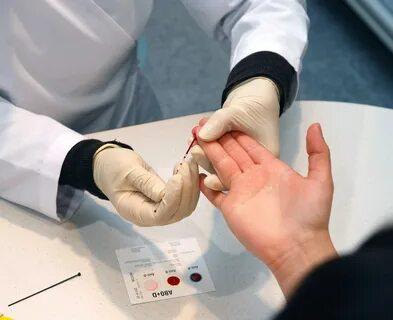
Knowing your blood type can be useful in situations ranging from routine medical care to pregnancy, surgery, blood donation, and transfusion planning. Yet many people are unsure whether their blood type is A, B, AB, or O, or whether they are Rh-positive or Rh-negative.
A Blood Group & Rh Test in Dubai is the standard laboratory method used to determine this information. The test identifies your ABO blood group and checks whether your red blood cells carry the RhD antigen. Together, these results produce familiar blood types such as A+, O-, B+, or AB+.
If you have never had your blood type tested, there are several ways to find out. The most reliable approach is laboratory blood typing, particularly when the information is needed for medical care.
What Exactly Does a Blood Type Test Find?
Your blood type has two main components: the ABO blood group and the Rh factor.
The ABO system classifies blood according to specific antigens found on the surface of red blood cells:
-
Type A has A antigens.
-
Type B has B antigens.
-
Type AB has both A and B antigens.
-
Type O has neither A nor B antigens.
The Rh system is usually based on the presence or absence of the RhD antigen:
-
Rh-positive (+): RhD antigen is present.
-
Rh-negative (-): RhD antigen is absent.
These two systems combine to form the eight common blood types: A+, A-, B+, B-, AB+, AB-, O+, and O-.
So, if a laboratory report says B positive, it means your ABO group is B and your Rh status is positive.
The Most Reliable Way to Find Out Your Blood Type
If you want a confirmed blood type, a laboratory ABO and Rh blood typing test is the most dependable method.
A healthcare professional usually collects a small blood sample from a vein in your arm. The laboratory then tests the red blood cells to identify the relevant ABO and Rh antigens.
The process is straightforward and generally takes only a short time for sample collection. Fasting is usually not required for blood group and Rh testing alone, although you may need to follow different preparation instructions if other laboratory tests are ordered at the same appointment.
Once testing is complete, your report can identify your ABO group and Rh factor.
Can Your Existing Medical Records Tell You Your Blood Type?
Sometimes you do not need a new test because your blood type may already be documented in your medical records.
Check previous laboratory reports, hospital records, prenatal records, surgical documentation, or transfusion-related paperwork. Some people also know their blood type from previous blood donation.
However, an old record should not automatically replace current laboratory confirmation when blood type information is needed for an important medical decision.
Before a blood transfusion, healthcare professionals perform appropriate compatibility testing rather than relying solely on a patient's recollection or an old card.
Can Blood Donation Help You Find Your Blood Type?
Blood donation may provide another opportunity to learn your blood group.
When donated blood is processed, blood centers determine relevant blood group information as part of donor and blood product management. Depending on the organization and its procedures, donors may be able to access their blood type information.
If you donate blood, ask the blood donation service how and when your blood type will be available.
Blood donation should not be used as a substitute for medically indicated blood testing. If your doctor specifically needs your ABO and Rh status, laboratory testing may be recommended.
What About Blood Type Test Kits?
Home blood type kits are available in some markets and may use a small finger-prick sample. These kits can appear convenient, but their reliability depends on the product, correct sample collection, storage, instructions, and interpretation.
A home result may be useful for personal information, but it should not be treated as a substitute for professional laboratory testing when blood type is important for medical care.
If a home test produces a result that conflicts with your medical records, speak with a healthcare professional and consider repeat laboratory testing.
Never use a self-tested blood type to make decisions about transfusion compatibility.
How Do Laboratories Determine ABO Blood Type?
ABO typing involves examining how your red blood cells react with specific laboratory reagents.
For example, testing may expose the cells to reagents containing antibodies that recognize A or B antigens. The pattern of reaction helps the laboratory determine whether A antigens, B antigens, both, or neither are present.
Laboratories may also perform reverse typing, which evaluates antibodies in the plasma to help confirm the ABO classification.
Using complementary testing methods helps reduce the risk of an incorrect blood group assignment.
How Is the Rh Factor Identified?
Rh typing primarily determines whether the RhD antigen is present on your red blood cells.
If the RhD antigen is detected, the result is reported as Rh-positive. If it is not detected under the laboratory's testing conditions, the result is generally reported as Rh-negative.
Some blood group situations can be more complex than a straightforward positive or negative result. Certain weak or variant RhD expressions may require additional laboratory investigation.
These uncommon situations are one reason professionally performed blood typing is important when accurate blood group information is medically necessary.
When Is Blood Group and Rh Testing Recommended?
You may have your blood type checked for several reasons.
Before a Blood Transfusion:
ABO and Rh typing helps healthcare professionals select compatible blood products. Additional testing, including an antibody screen and crossmatching when appropriate, may also be required.
During Pregnancy:
Blood group and Rh testing is commonly part of prenatal care. Knowing whether a pregnant person is Rh-negative helps healthcare professionals assess the possibility of Rh sensitization and determine whether additional monitoring or preventive treatment may be appropriate.
Before Certain Procedures:
Blood typing may be performed when there is a possibility that a patient could require blood products during surgery or another medical procedure.
For Blood Donation:
Blood group information is important when donated blood is collected, processed, and prepared for patients who need transfusions.
When Your Blood Type Is Unknown:
You may simply want to document your blood type for your personal medical records. A laboratory blood group test can provide this information.
Does Your Blood Type Stay the Same?
For most people, their inherited ABO and Rh blood type remains stable throughout life.
Your blood type is determined largely by genetic factors inherited from your biological parents. It does not normally change because of your diet, age, exercise routine, pregnancy, or everyday health changes.
Rare medical circumstances can make blood group testing more complicated. Certain blood disorders, treatments, or hematopoietic stem cell transplantation can affect how blood group results are interpreted.
If two blood type records disagree, healthcare professionals may repeat testing and investigate the discrepancy instead of assuming that your blood type has changed.
Can You Predict Your Blood Type From Your Parents?
Sometimes you can narrow down the possible blood types based on your parents' blood groups, because ABO and Rh characteristics are inherited.
However, knowing your parents' blood types does not always provide enough information to identify your exact blood type with certainty. Genetic inheritance involves combinations of alleles, and Rh inheritance can also vary.
For this reason, blood type inheritance can provide clues, but laboratory blood typing provides confirmation.
Why Knowing Your Blood Type Can Be Useful?
Your blood type is valuable medical information, but it is not a measure of your overall health.
It can help healthcare professionals understand your ABO and Rh status when managing situations such as:
-
Blood transfusion
-
Pregnancy and prenatal care
-
Blood donation
-
Surgery and procedures
-
Certain emergency medical situations
-
Documentation of personal medical information
Still, knowing your blood type does not eliminate the need for professional compatibility testing when transfusion is being considered.
What If Your Blood Type Result Conflicts With an Old Record?
Do not ignore a discrepancy.
For example, if an old document identifies you as O-positive but a newer laboratory report says A-positive, contact your healthcare professional or laboratory for clarification.
There can be several reasons for apparent discrepancies, including documentation errors, testing differences, unusual blood group variants, or rare medical circumstances.
When transfusion is involved, healthcare professionals can repeat blood typing and perform additional compatibility testing to establish the correct information.
Frequently Asked Questions:
Is a blood type test painful?
The test usually involves a standard blood draw. You may feel a brief pinch when the needle enters the vein, followed by mild temporary discomfort at the collection site.
Do I need to fast before an ABO and Rh test?
Usually not. Fasting is generally unnecessary when ABO and Rh typing is the only test being performed. If other blood tests are ordered at the same time, follow the preparation instructions provided by your healthcare professional.
Can I find my blood type without a blood test?
You may find it in existing medical or blood donation records, but a laboratory blood test is the most reliable way to confirm your ABO and Rh type.
Is O-negative the only blood type that matters in emergencies?
No. O-negative red blood cells are often used in specific emergency transfusion situations when the patient's blood type is not yet known, but transfusion decisions depend on the clinical circumstances, available blood products, and established blood bank protocols.
Does my blood type tell me whether I am healthy?
No. Blood type is a biological characteristic, not a general health assessment. It does not diagnose illness or provide a complete picture of your health.
Final Takeaway:
If you want to find out your blood type, an ABO and Rh blood Lab tests provides the most reliable answer. The test identifies your A, B, AB, or O blood group and determines whether you are Rh-positive or Rh-negative.
You may also find blood type information in previous medical or blood donation records, but important medical decisions should rely on appropriate laboratory confirmation and compatibility testing.
Knowing your blood type is useful information to keep in your health records, especially because ABO and Rh status can become important during pregnancy, blood donation, surgery, and transfusion care. Most importantly, remember that your blood type is simply one biological characteristic—it is not a diagnosis and does not determine how healthy you are.
 English
Join our community to interact with posts!