
A 99 OVR reliever can still surrender a lead when every two-strike pitch finishes in the same location. Ray Kerr's appeal in MLB The Show 26 is his ability to disrupt that pattern, not simply his rating. Before committing MLB 26 stubs to another bullpen upgrade, examine whether your current losses come from missing pitch options or predictable sequencing. Kerr rewards players who can separate those problems.
Build Your Sequence Around the Speed Gap
Kerr's listed 81 mph Slurve, 91 mph Cutter, and 94 mph Sinker create three timing windows without requiring constant pitch changes. The 13 mph difference between Slurve and Sinker matters most when both initially appear headed toward a similar area. Start by establishing a strike, then use the slower offering to challenge the hitter's timing.
Pitch tunneling is not simply alternating fast and slow. Choose targets that make consecutive pitches harder to distinguish early, while allowing their movement to separate later. Against an opponent consistently swinging early at the Slurve, return to a credible hard strike before expanding below the zone. Otherwise, patient hitters can ignore the breaking ball entirely.
Match Movement to the Batter's Position
Against a left-handed hitter, Kerr's Cutter can pressure the inside edge while the Slurve threatens the outer portion of the plate. That pairing forces the opponent to cover different locations as well as different speeds. Avoid repeating the inside Cutter after a well-timed foul; the hitter may already have adjusted to that release and velocity.
Right-handed hitters require a different location plan. A Sinker near the lower inside edge can establish pressure before a Cutter moves toward the outer edge. Treat those targets as starting points, not automatic answers. If the opponent repeatedly squares up low pitches, elevate a Four-Seam Fastball selectively rather than feeding the same comfortable swing path.
Choose the Inning Before Choosing the Finisher
Kerr's listed 125 Pitching Clutch makes pressure situations an obvious consideration, but ratings cannot rescue a pitch left over the middle. With a runner on third and fewer than two outs, avoid assuming that any contact is acceptable. Select locations around the hitter's demonstrated weaknesses instead of chasing a ground ball with a predictable low Sinker.
With two outs and first base open, a breaking pitch outside the zone can be a reasonable test if the opponent has already chased that shape. With the bases loaded, the same approach risks surrendering a run through poor count management. Establish a strike threat early, and keep another reliever ready if Kerr's stamina or command becomes unreliable.
Spend on Bullpen Coverage, Not Duplicate Roles
Kerr fits best beside relievers who offer a noticeably different delivery, movement profile, or velocity range. Adding another pitcher with nearly identical strengths may leave the same lineup problem unresolved. Before spending, review several late-inning losses: note batter handedness, count, pitch location, and whether the decisive swing beat your velocity or anticipated your breaking ball.
For efficient practice, use a short offline session to rehearse one left-handed sequence and one right-handed sequence before taking Kerr into competitive innings. Prioritize strike placement over collecting strikeouts against weaker opponents. Keep MLB stubs available for a genuinely missing bullpen role, and judge this setup by repeatable outs rather than a single dominant appearance.
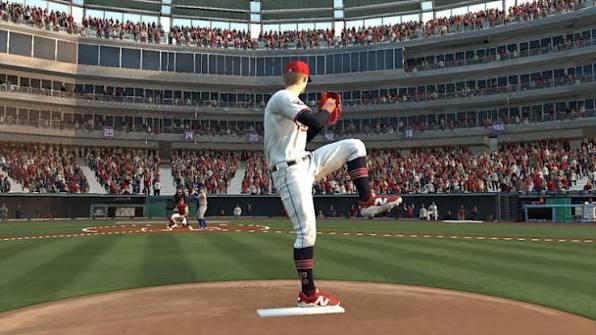
MLB The Show 26: How to Mix Kerr Pitches With U4GM
Vote
Comment
Share
- Arts
- Business
- Construction
- Current Events
- Earth
- Employment
- Fashion
- Financial
- Fitness
- Food & Beverages
- Geography
- Health
- History
- Human Rights
- Internet
- Language
- Math
- Medicine
- Movies
- Music
- Natural Medicine
- Outer Space
- Parenting
- Personal Development & Self Improvement
- Politics
- Religion
- Safety
- Spirituality and Awakening
- Sports
- Technology
- Theatre
© 2026 CS Factor, trademark, all rights reserved.
 English
Join our community to interact with posts!