
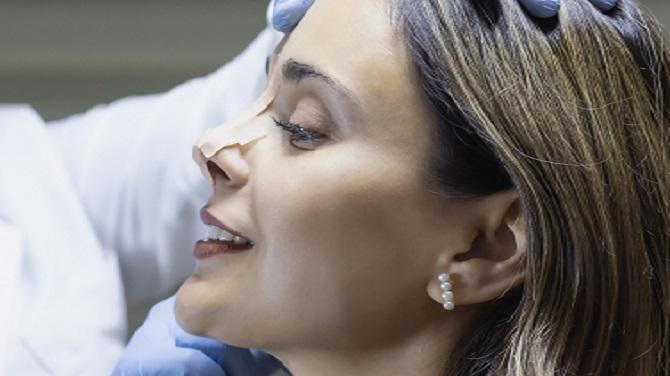
Rhinoplasty is a surgical procedure that reshapes the nose to improve its appearance, address certain structural concerns, or support breathing when medically appropriate. However, successful rhinoplasty is not simply about creating a smaller or straighter nose. It involves understanding how the nose relates to the forehead, cheeks, lips, chin, and overall facial structure.
When searching for a Rhinoplasty in Islamabad, patients should look for a provider who considers facial harmony rather than following a standard nose shape. Every face has different proportions, skin characteristics, and anatomical features, so treatment planning should be personalized.
A clinic that understands facial balance should explain how proposed changes may affect the overall appearance of the face while keeping realistic expectations and patient safety at the center of the process.
Why Facial Balance Matters When Choosing Rhinoplasty
The nose occupies a central position on the face, making its shape and proportions particularly noticeable. Even a small change to the nasal bridge, tip, or nostrils can influence the overall facial appearance.
A balanced rhinoplasty plan considers several factors:
-
Nasal proportions: The length, width, bridge, and tip should be assessed in relation to the patient's facial features.
-
Facial profile: The relationship between the nose, forehead, lips, and chin can influence the appearance of the side profile.
-
Nasal function: Breathing and internal nasal structures should be considered alongside cosmetic goals.
-
Skin thickness: Skin characteristics can affect how clearly underlying structural changes become visible.
-
Individual preferences: The patient's concerns and expectations should guide the consultation and treatment plan.
A responsible surgeon does not promise a universally perfect nose. Instead, the aim is to determine which changes may suit the patient's anatomy while maintaining appropriate nasal function.
Check the Surgeon’s Qualifications and Experience
One of the most important steps in selecting a rhinoplasty clinic is evaluating the surgeon who will perform the procedure. Clinic branding and attractive marketing materials cannot replace professional qualifications and relevant surgical experience.
Before making a decision, patients should ask about:
-
The surgeon's qualifications, registration, and specialist training.
-
Experience performing primary and revision rhinoplasty, where relevant.
-
Familiarity with different nasal structures and facial proportions.
-
The surgical setting, anesthesia arrangements, and emergency protocols.
-
The surgeon's approach to managing complications and postoperative concerns.
Patients should also confirm who will perform the surgery rather than assuming that the person conducting the initial consultation will necessarily be the operating surgeon.
A qualified professional should explain the benefits, limitations, risks, and recovery requirements of the proposed procedure in understandable language.
Review Before-and-After Results Carefully
Before-and-after photographs can help patients understand a surgeon's approach to nasal reshaping. However, these images should be reviewed critically rather than used as a guarantee of personal results.
Look for photographs that show multiple angles, including the front, side profile, and three-quarter view. Consistent lighting and positioning make comparisons more useful.
When reviewing a surgeon's portfolio, consider whether:
-
The results appear proportionate to each patient's facial features.
-
Different patients have individualized outcomes rather than identical-looking noses.
-
The nasal tip and bridge appear harmonious with the rest of the face.
-
The results look consistent across different angles.
-
The surgeon explains what may and may not be achievable in your case.
Remember that healing varies between individuals. Swelling can persist for months, and the final appearance may take a year or longer to develop, depending on the procedure and individual healing process.
Prioritize a Detailed Rhinoplasty Consultation
A comprehensive consultation allows the surgeon to assess your concerns, examine your nasal anatomy, and discuss appropriate treatment options. It should be a two-way conversation, not simply a sales appointment.
During the consultation, the surgeon may assess facial proportions, nasal structure, breathing concerns, medical history, and previous nasal procedures.
Patients should feel comfortable asking questions such as:
-
Which nasal changes would suit my facial proportions?
-
Could the proposed changes affect my breathing?
-
What are the possible risks and limitations?
-
What recovery period should I expect?
-
How will follow-up appointments and postoperative care be managed?
Digital imaging may help explain possible changes, but simulated photographs are not guarantees of surgical outcomes.
Evaluate Patient Safety and Aftercare
Facial balance is important, but it should never take priority over surgical safety. Rhinoplasty involves risks, including bleeding, infection, persistent swelling, breathing difficulties, asymmetry, changes in sensation, and the possibility of revision surgery.
A trustworthy clinic should provide clear information about preparation, anesthesia, recovery, follow-up visits, and warning signs that require medical attention.
Before proceeding, confirm that the procedure will take place in an appropriately equipped surgical facility with suitable anesthesia and emergency support. You should also receive clear instructions about medications, activity restrictions, wound care, and follow-up.
Avoid choosing a clinic solely because it offers a low price or promises dramatic results. A careful assessment of professional credentials, safety standards, and aftercare is more valuable than promotional claims.
Choosing a Rhinoplasty Clinic in Islamabad
Patients considering rhinoplasty in Islamabad can compare clinics by reviewing surgeon qualifications, consultation quality, surgical experience, patient communication, and postoperative support.
SKN Cosmetics in Islamabad is one option patients may consider when researching aesthetic and cosmetic procedures. Before choosing any clinic, prospective patients should arrange a consultation to understand the available treatment approach, confirm the operating surgeon's qualifications, discuss facial proportions, and review safety arrangements. Patients should also ask for a personalized assessment rather than relying solely on general promotional information.
The right clinic should listen carefully to your goals and explain whether your expectations are realistic. It should also discuss alternatives when surgery may not be necessary or appropriate.
Ultimately, choosing a rhinoplasty provider is a personal decision that deserves time and careful research. A clinic that values natural-looking proportions, functional outcomes, transparent communication, and patient safety can help you make a more informed decision.
Frequently Asked Questions
Q1: How do I choose the best rhinoplasty clinic in Islamabad?
Answer: Check the surgeon's qualifications, rhinoplasty experience, safety standards, patient reviews, and consultation process.
Q2: Why is facial balance important in rhinoplasty?
Answer: It helps ensure that nasal changes complement the patient's overall facial proportions.
Q3: Does rhinoplasty improve breathing?
Answer: It may improve breathing when appropriate structural problems are treated, but results depend on the individual's condition.
Q4: How long does rhinoplasty recovery take?
Answer: Initial recovery often takes a few weeks, while swelling and final refinement may continue for a year or longer.
Q5: Can a surgeon guarantee perfect rhinoplasty results?
Answer: No. Outcomes vary, and a responsible surgeon explains realistic expectations, limitations, and potential risks.
 English
Join our community to interact with posts!