
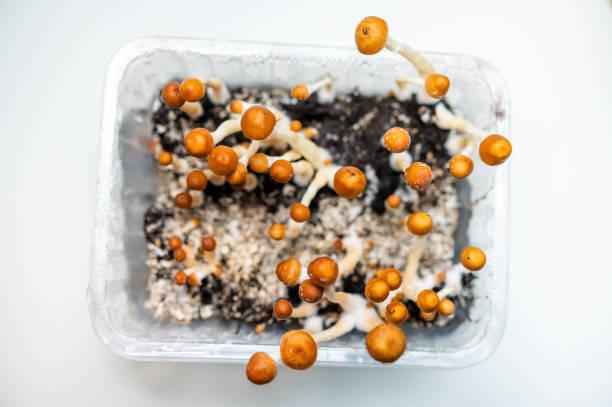
Why Psychedelic Mushroom Cultivation Isn’t As Complicated As People Pretend
Let’s be real—psychedelic mushroom cultivation has been wrapped in this weird mystique for years. Folks talk like you need a secret lab in the woods and a decade of experience to grow a single healthy flush. Truth is, you don’t. What you do need is a little patience, decent mycology supplies, and the willingness to learn from the messes you’re absolutely going to make. Mistakes are part of the trip. Literally and figuratively. Once you accept that, the whole thing gets much easier to handle.
Getting Your Hands Dirty: What Beginners Always Miss
A lot of beginners think they can skip steps and still get perfect mushrooms. Spores straight into grain. No sterilization. Half-baked technique. And then they wonder why everything turns green. Look, contamination is merciless. It doesn’t care how excited you are. If your equipment isn’t clean, you’re screwed. And if you don’t understand why each step matters, you’ll waste a lot of time. Good mycology supplies don’t make you a master grower, but they keep you from fighting battles you shouldn’t have to fight.
The Sterile Game: Your Real Enemy Isn’t the Mushroom
Everyone loves talking about strains, genetics, exotic cultures, all of that fun stuff. But the silent killer of almost every psychedelic mushroom cultivation project? Dirty work. Bacteria sneaks in. Molds creep up. Your jars start smelling like something crawled into them and died. Sterility isn’t glamorous, but it’s necessary. A solid pressure cooker, proper filters, good lids, clean air flow—these aren’t optional. They’re the difference between watching your mushrooms thrive and watching green fuzz eat your entire stash.

Spores vs. Liquid Culture: Choosing Your Starting Point
This topic gets people all fired up. Spores are great, especially for variety and exploration. But they aren’t clean—ever. They’re genetic dice rolls. If you want reliability, liquid culture is the move. It’s faster, more predictable, and just smoother to work with. But you still need to trust the source. Dirty LC is worse than dirty spores because it spreads quicker. So don’t cheap out. Buy from reputable suppliers (yeah, like Full Canopy Genetics). Saves you headaches and time—both of which have value.
Grain Prep: The Part Everyone Overthinks
Grain prep looks simple. Hydrate grain. Load jars. Sterilize. But there’s nuance here that separates a clean grow from a contaminated disaster. Too wet? Bacteria heaven. Too dry? Slow colonization and sad-looking mycelium. Your grain should have that perfect bounce—hydrated on the inside, dry-ish on the outside, no pools, no mush. This takes practice, and honestly, you’ll screw it up a few times. That’s fine. Mycology rewards patience, not perfection.
Substrates That Actually Work
Every grower eventually experiments too much. Someone online says “try coffee grounds, bro” or “coco coir doesn’t need sterilization” (it does, by the way—pasteurization isn’t magic). For psychedelic mushroom cultivation, the classics stick around because they work: CVG, manure-based mixes, or supplemented hardwood substrates depending on species. You don’t need to reinvent the wheel. You just need to build one that doesn’t fall off on the first spin.
Fruiting Conditions: Where Most Habits Crash and Burn
Fresh air. Light. Humidity. Three simple things, yet growers manage to mess them up constantly. Too much misting? You drown your pins. Too little? They dry out. No airflow? Bacterial blotch. Too much airflow? They get crusty. You want balance, not chaos. A monotub, Martha tent, or greenhouse setup can work beautifully if you understand why it works. Mushrooms want consistency. Give them a stable environment and they’ll reward you with canopies so thick you can barely see the substrate.
The Hard Truth About Genetics
People say genetics don’t matter. That’s a lie, plain and simple. Genetics matter more than almost anything else. You can have perfect technique and still get weak fruits if the genetics are junk. Strong lines make all the difference—fast colonization, thick pinsets, heavy flushes. Good genetics don’t just produce better mushrooms; they make the whole cultivation process smoother. When you start with quality cultures from trusted vendors, you’re already halfway to success.

Mycology Supplies Worth the Money
Let’s cut the fluff. You don’t need a $2,000 flow hood to get started. A still air box works fine. A pressure cooker is a must—not negotiable. Good jars, proper filters, a scalpel, and either pre-made substrates or ingredients to make your own. That’s it. Everything else is optional or at least upgrade-only-once-you’re-obsessed. And trust me, many growers get obsessed. But don’t let gear obsession distract you from the fact that technique beats equipment every day of the week.
Common Mistakes Nobody Warns You About
Here’s the stuff beginners always learn the hard way:
You can’t rush colonization. You can’t save a contaminated jar. You can’t “hope” mold away. You shouldn’t keep handling your jars every day like they’re newborn puppies. And you absolutely shouldn’t skip labeling anything. Also, for the love of everything, stop opening lids “just to check.” Every time you do, microscopic organisms cheer and jump in. Learn basic discipline and half your problems disappear.
Troubleshooting Without Losing Your Mind
When something goes wrong—and it will—the worst thing you can do is panic. Don’t throw everything out because one jar turned green. Don’t assume your whole tub failed just because pins are slow. Mycology is weird. It’s unpredictable. Sometimes a tub looks awful and still produces a decent flush. Sometimes a perfect-looking tub collapses overnight. Learn to analyze, adjust, and move forward. It’s more mindset than skill after a point.
The Real Joy: Why People Stick With Mushroom Cultivation
The truth is, psychedelic mushroom cultivation hooks people because it’s deeply rewarding. You take something microscopic, nurture it, fight off competing life, and in the end, you get these gorgeous, alien-looking fruits. It’s science. It’s art. It’s weirdly therapeutic. And once you get your rhythm, the whole process becomes this steady, satisfying cycle. Grow, harvest, repeat. And with solid genetics and quality mycology supplies, the sky really isn’t the limit—it’s just the beginning.
Final
If you’re ready to step deeper into psychedelic mushroom cultivation—whether you’re starting fresh or leveling up your grow—get your cultures and mycology supplies from people who actually care about quality.
Visit Full Canopy Genetics to start.
FAQs About Psychedelic Mushroom Cultivation & Mycology Supplies
How long does psychedelic mushroom cultivation actually take?
Most grows take 4–8 weeks from spore to harvest, depending on genetics, technique, and your environmental setup. Some species run even faster once you dial in conditions.
What mycology supplies do I really need to get started?
Bare minimum: pressure cooker, jars, filters, grain, substrate, still air box, scalpel, alcohol, and a clean workspace. Everything else is optional upgrades.
Are spores or liquid culture better for beginners?
LC is easier if it’s clean. Spores are safer in terms of contamination risk (since you expect them), but slower and less predictable.
Why does contamination happen so often?
Because bacteria and mold outnumber you by millions. If you cut corners—sterility, airflow, cleaning—you lose. Simple as that.
Where can I get reliable genetics and supplies?
From trusted vendors who actually test and maintain clean cultures. If you want a place that doesn’t cut corners, visit Full Canopy Genetics to start.
 English
Join our community to interact with posts!