

If you’ve ever thought about building a deck, you know it’s not just a weekend DIY project. It’s a commitment. A place for summer BBQs, late-night drinks, and just sitting out watching the sun set. But here’s the thing—choosing the right wood can make or break your deck. Literally. You don’t want to pour time and money into something that rots or warps after a year.
Two materials people often debate over are pressure treated deck boards and rough cedar lumber. Both have their pros and cons, and it’s worth taking a good hard look before you buy.
Why People Love Pressure Treated Deck Boards
Pressure treated deck boards are everywhere. You see them at hardware stores, on online ads, heck—your neighbor probably has them. The big selling point? Longevity. These boards get infused with chemicals to resist rot, insects, and the general wear-and-tear that outdoor wood faces.
Here’s the reality though: they’re not exactly pretty out of the box. They can be a bit… greenish, sometimes uneven, and smell kinda strong. But if you’re practical and care more about durability than looking fancy, they’re a solid bet.
Quick tip: Even though they’re treated to resist decay, you still need to seal and stain them if you want your deck to keep looking nice. The chemicals keep rot away, but they won’t stop UV sun damage or fading.
Rough Cedar Lumber: Rustic Charm with a Price
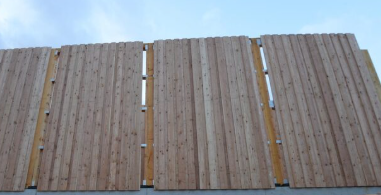
Now, rough cedar lumber—that’s a whole different beast. First off, it looks amazing. That natural grain, the slightly rough feel under your fingers, it screams outdoor charm. If you’re building a deck to impress, cedar boards do that job beautifully.
Cedar is naturally resistant to decay and insects, but it’s softer than treated wood. That means dents, scratches, and splinters happen more easily. If you’ve got kids or pets running around, you’ll see wear quicker than pressure treated wood. But here’s the tradeoff: cedar ages beautifully. It turns a soft gray over time and keeps that natural vibe, which some people love way more than the “plasticky” feel of treated boards.
Cost Comparison: What You’re Really Paying For
Let’s talk numbers, because we all know that matters. Pressure treated deck boards are generally cheaper. You get more bang for your buck upfront, which is why DIYers and contractors love them. But remember: you might need extra stain or sealant to keep them looking good. Over 5-10 years, that can add up.
Rough cedar lumber costs more initially. That’s the tradeoff for beauty and that natural resistance. But sometimes paying a little extra upfront saves hassle later. Plus, if you don’t like maintaining a deck all the time, cedar might be worth it because it can last decades with the right care, even if it’s not chemically treated.
Installation: Things People Don’t Tell You
Here’s the part no one really talks about: installation quirks.
Pressure treated boards can be tricky if you’re not used to working with wet wood. Freshly treated boards are often heavier, slightly warped, and need time to dry. If you nail them down immediately, expect some shrinkage and warping.
Cedar is lighter and easier to work with, but it can splinter. You need to be careful with cutting and handling. And if you’re attaching it to a frame, make sure your screws or nails are rust-resistant, because cedar’s natural oils can react with metals over time.
Longevity and Maintenance
Let’s cut to the chase: if you want long life with minimal fuss, pressure treated deck boards win. Rot? Less likely. Bugs? Fewer problems. But maintenance still matters. A yearly wash and occasional resealing keeps things looking decent.
Cedar is lower maintenance in terms of chemicals—no toxic treatments—but you’ll still want to clean it, maybe stain it, and keep an eye on cracks or splinters. Think of cedar like a beautiful vintage car: looks great, but a little upkeep keeps it running smoothly.
Which One Fits Your Lifestyle?
Honestly, it boils down to your priorities. If you want a rugged, low-cost, low-hassle deck, pressure treated deck boards are your friend. If you’re going for aesthetics, charm, and that natural vibe, rough cedar lumber is the way to go—even if it costs a bit more.
Also, think about the climate. Wet, humid areas can accelerate rot in cedar if it’s not properly maintained. Dry climates? Cedar shines there.
Mixing It Up: The Hybrid Approach
Some smart folks don’t pick just one. They mix boards. Maybe the frame is pressure treated for strength and longevity, while the top deck surface is cedar for looks and feel. This gives you a balance of durability and style. It’s not for everyone, but it’s worth considering if you want the best of both worlds.
Environmental Considerations
Pressure treated wood has chemicals. If that bothers you, cedar is a more natural option. However, cedar harvesting has its environmental impact too. Look for sustainable sources if that’s a concern.
Also, disposal is different. You can burn or compost cedar scraps safely, but pressure treated boards need careful handling because of the chemicals. Something to keep in mind if you ever redo your deck.
Common Mistakes People Make
A lot of folks jump into decking thinking “all wood is the same.” Nope. Here’s what trips people up:
-
Skipping sealing on pressure treated wood. It lasts longer, yes, but will still fade if untreated.
-
Using cedar without proper ventilation underneath. Moisture builds up fast, leading to rot.
-
Buying the cheapest boards without checking grade or quality. Cheap wood can be a nightmare no matter the type.
Quick Tips for a Deck That Lasts
-
Measure twice, cut once. Sounds cliché, but true.
-
Choose screws over nails—they hold better.
-
Clean your deck yearly, regardless of wood type.
-
Consider adding a waterproof sealant, even on cedar, to prevent stains.
Bottom Line
Both pressure treated deck boards and rough cedar lumber have a place in decking. It’s all about what matters to you: budget, aesthetics, and maintenance tolerance. There’s no one-size-fits-all answer. But knowing the strengths and quirks of each helps you make the call.
FAQs
Q1: Are pressure treated deck boards safe for families and pets?
Yes, they are generally safe once installed and dried. Just don’t burn scraps, and wash hands after handling fresh boards.
Q2: How long does rough cedar lumber last outdoors?
With proper care, cedar can last 20-30 years, sometimes more. Its natural oils help resist decay.
Q3: Can I mix pressure treated wood with cedar?
Absolutely. Many builders use treated wood for the frame and cedar for the deck surface—strong, durable, and attractive.
Q4: Do I need to seal cedar decks?
Not strictly, but sealing helps protect against stains and extends the wood’s natural beauty.
 English
Join our community to interact with posts!