

When Impacted Canine Teeth Stop Playing Nice
Let’s just start real. Impacted canine teeth aren’t some cute little “oh it’ll work itself out” problem. They’re the stubborn ones. The teeth that decide to stay buried, sideways, hiding in the jaw like they’re avoiding responsibility. And when they don’t erupt on time, it throws everything off. Your bite, your smile, sometimes even how you feel when you talk. It’s wild how one tooth can hijack the whole system.
Truth is, most people don’t notice anything wrong until the pressure builds or their orthodontist says, “hey, something’s stuck.” And by then it’s already been stuck for months… sometimes years. Impacted canine surgery isn’t just a cosmetic fix. It’s a functional rescue mission. Because if that tooth stays trapped, it can damage roots, shift teeth, and mess with jaw balance. Nobody wants that. Not now, not later.
The short answer? When a canine refuses to erupt, you need a plan. And usually, that plan includes exposing the tooth surgically to guide it into place. Or, if it’s too far gone, prepping the jaw for an implant. It’s not dramatic—it’s just reality.
Why These Canines Get Stuck In The First Place
People always want to know, “Did I cause this?” No. You didn’t. Impacted canine teeth usually come down to genetics, timing, or just plain bad luck. The jaw sometimes doesn’t leave enough space. Or the baby tooth hangs on like it refuses to retire. Sometimes the canine decides to grow sideways, pushing into bone or neighboring roots. Nature doesn’t always follow the rulebook.
Canines are supposed to be the leaders, the anchor points of your bite. But when one gets trapped, it loses that guiding job. The whole front row of teeth can shift. Angles change. Pressure points change. And you start noticing weird things—crowding, delayed eruption, or a little bump in the gum that just shouldn’t be there.
This isn’t a “pretty smile” issue. It’s structural. That’s why ignoring it never works. The longer the tooth stays stuck, the harder it becomes to move. In many cases, the only solution is surgery for impacted canine teeth, and sometimes, if delayed too long, a jaw bone implant becomes necessary instead of saving the natural tooth.
What Impacted Canine Surgery Actually Does
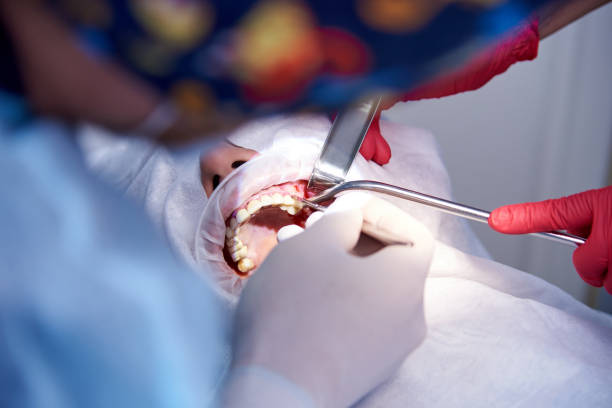
Let’s keep it simple. Impacted canine surgery is all about access. The surgeon uncovers the tooth, clears a path, and gives it a way out. Sometimes they attach a small bracket so the orthodontist can guide the tooth down slowly. Sometimes they reposition gum tissue so the tooth can erupt more naturally. But the goal stays the same—get that tooth where it belongs.
Every case is different. Some teeth sit high near the nose. Some lie horizontal like they’re taking a nap. A few even wedge behind the front teeth. So the surgical plan needs to match the tooth’s position. That’s why you want someone who does this often, not occasionally.
Without surgery, the tooth stays trapped in bone, causing more problems than you can see. With surgery, the entire bite starts shifting in the right direction, one small movement at a time. It’s not glamorous, but it works.
When Jaw Bone Implants Become Part Of The Story
Now here’s where people get nervous—jaw bone implants. The phrase sounds intense. But let’s be real: sometimes it’s the smartest fix. If an impacted canine tooth can’t be saved—wrong angle, wrong root shape, or fused into the bone—then you need a replacement. You can’t just leave an empty space. That gap throws your bite into chaos.
A jaw bone implant gives you structure. It fills the space where the natural root should’ve been. It supports a new tooth long-term. And it solves the functional problems that would show up if you tried to pretend the missing tooth didn’t matter. These implants look natural, function naturally, and feel stable once healed.
Not every case needs one. Most impacted canines can be saved with surgery and guided eruption. But when they can’t, an implant isn’t a failure. It’s just a different route to the same goal—stability, strength, balance.
What The Procedure Actually Feels Like
People picture this huge, dramatic surgery. It’s really not. Impacted canine surgery feels more like deep pressure than pain. With numbness and sedation, most folks don’t remember much. The surgeon lifts gum tissue, exposes bone, clears the area, and works with precision that honestly surprises most patients. It’s smoother than expected. Faster too.
Afterward? Yeah, you’ll feel sore. Mild swelling. Talking feels off for a day or two. Eating soft foods becomes your new routine. Nothing outrageous though. Most people get back to work or school pretty quickly. The body adapts. It always does.
It’s not a walk in the park, but it’s not the horror story people imagine. And the relief afterward—finally tackling the thing that’s been quietly messing up your bite—is huge.
Timing Matters More Than Most People Think
Canine teeth should erupt around 11–13 years old. When they don’t show up, that’s your sign something’s stuck. Early intervention is gold. Younger bone responds faster. Teeth move easier. Healing tends to be smoother. That said, adults absolutely get impacted canine surgery too—just with a little more planning.
Timing isn’t about fear. It’s about options. The earlier someone evaluates that hidden tooth, the more choices you have. Sometimes they can guide the tooth without surgery. Sometimes they can prevent root damage to nearby teeth.
Wait too long, and the tooth may become unsalvageable. Then the conversation shifts from “let’s try to bring it down” to “we need a jaw bone implant to replace it.” Both solutions work. But saving the natural tooth is always the first choices if it makes sense.
How Jaw Bone Implants Restore Balance When A Tooth Can’t Be Saved
There’s a reason bone implants exist. When a tooth is gone—or never erupted properly—the jaw loses stimulation in that spot. Bone starts shrinking. The bite shifts unevenly. And chewing pressure redistributes weirdly. It’s not just cosmetic. It’s mechanical.
A jaw bone implant fills the missing structure. It integrates into your bone, becoming part of the foundation that supports a new replacement tooth. This keeps the other teeth from drifting and keeps your bite stable. Think of it as reinforcing the framework before something collapses.
If the impacted canine tooth is too damaged or in a terrible position, the implant becomes the hero of the story. It’s a reliable, long-term fix. Not a patch job. Something made to last decades.
What A Real Consultation Should Feel Like
A proper consultation isn’t a quick look and a printed sheet. It’s a conversation—one where the surgeon studies scans, checks bone density, evaluates gum health, and looks at the entire bite. Not just the one tooth. Because nothing works in isolation.
You should leave with a plan that makes sense. A timeline. A clear explanation of whether the impacted canine is savable. And if not, why a jaw bone implant is the better move. You shouldn’t walk out confused or overwhelmed. Good surgeons explain things in real words, not medical jargon that makes your head spin.If something feels rushed or vague? That’s a sign to walk away.
The Recovery Period—The Part No One Talks About Honestly
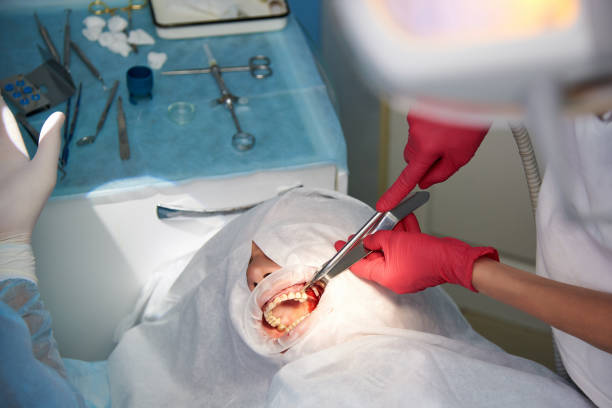
Recovery is more annoying than painful. Swelling comes first, then tightness. Talking feels weird. Eating feels different. But you adapt. Your body knows what to do. Cold packs help a lot. And so does keeping the area clean. Most people go back to work or school before they expect to.
What surprises most is how quickly things settle. That first week feels long. Then suddenly you’re back to your normal routine, only this time with the comfort of knowing that tooth is finally handled.
The biggest relief isn’t physical—it’s knowing the problem isn’t silently worsening anymore.
The Bite Needs Balance, And Impacted Canines Matter More Than You Think
Canines aren’t optional. They guide the jaw. They help you chew, speak, smile naturally. When one is missing—or stuck—the rest of the teeth compensate. They shift. They twist. The bite gets uneven. Wear patterns form. It snowballs.
Surgery puts things back on track. And if the tooth can’t be saved, the jaw bone implant keeps the structure stable so you don’t end up with long-term bite issues. The goal isn’t just “fix the tooth.” It’s fix the system. That’s what real treatment is about.
FAQs About Impacted Canine Teeth & Jaw Bone Implants
Q: How long does impacted canine surgery usually take?
Most procedures finish in under an hour, depending on how deep the tooth is and how much bone needs exposing.
Q: Does surgery hurt afterward?
Not really. Some soreness, pressure, and swelling—nothing extreme. Most manage it with mild medication.
Q: Can adults fix impacted canines too?
Absolutely. It just takes more planning since the bone’s no longer growing.
Q: When do you need a jaw bone implant?
When the canine can’t be saved—poor position, fused root, or too much damage to bring it down safely.
Q: What happens if I ignore an impacted canine tooth?
Teeth shift, roots get damaged, bone can shrink, and future treatment becomes harder—sometimes impossible without implants.
When You’re Finally Ready To Fix This For Good
If you’ve been living with an impacted canine tooth, thinking it’ll magically fix itself—it won’t. If you’re dealing with jaw bone loss or planning for an implant, now’s the time to take control. Real solutions exist. Modern surgery is targeted, efficient, and built around long-term stability, not quick patches.
When you want a straight answer, a clear plan, and a team that handles impacted canine teeth and jaw bone implants every single day—visit New York Oral Facial & Surgery. They do this work right. And they’ll get you back to balance.
 English
Join our community to interact with posts!