
Let’s just get this out of the way. Tiny house regulations are messy. They’re not neat. They don’t live in one clean rulebook. Anyone telling you otherwise is either selling something or hasn’t actually tried to build or live in a tiny house.
On paper, tiny homes sound simple. Smaller footprint. Less stuff. Lower costs. But the minute you try to park one, build one, or hook it up to utilities, regulations show up like an uninvited guest who refuses to leave. Zoning laws, building codes, minimum square footage rules, sanitation requirements. All of it stacked together, and rarely explained in plain English.
Most regulations weren’t written with tiny living in mind. They were designed decades ago for standard houses, suburbs, and tax structures that assume bigger equals better. Tiny homes break that model. That’s why you’ll hear one city welcome them and the next city shut them down without blinking.
This is where people get stuck. They Google “tiny house regulations,” skim a few articles, and think they’ve got it figured out. Then the permit office says no. Or worse, yes… until they say no later. Regulations change by city, by county, sometimes by neighborhood. That’s not drama. That’s reality.
Tiny house experts exist for a reason. Because guessing your way through regulations is expensive. And exhausting.
Zoning Laws: Where Most Tiny House Dreams Hit a Wall
If tiny house regulations had a boss level, zoning laws would be it. This is the part that kills more projects than budget overruns or bad builders. Zoning decides what kind of structure can exist on a piece of land, and how it can be used.
Residential zones sound friendly. They aren’t always. Many residential zones require minimum house sizes that automatically disqualify tiny homes. Others prohibit accessory dwelling units, which is how many tiny homes legally exist, tucked behind a primary residence. Some zones don’t allow full-time living in anything classified as temporary or movable.
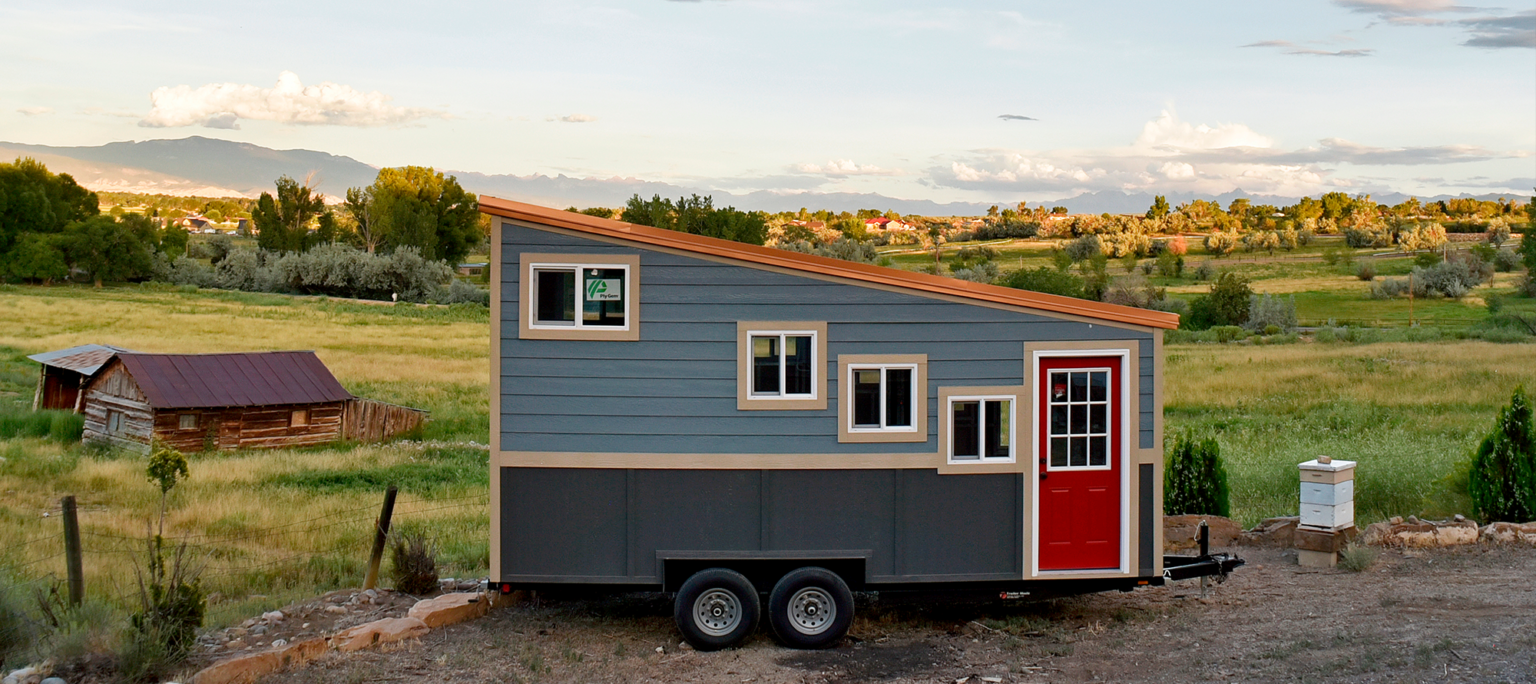
And yes, tiny houses on wheels complicate everything. Once you add wheels, many jurisdictions stop calling it a house at all. Now it’s an RV. Or a trailer. Or something they don’t quite know what to do with, which usually ends badly for you.
This is why you’ll hear wildly different experiences from tiny homeowners. One person parks legally on private land. Another gets fined within weeks. Same state. Different zoning codes.
Tiny house experts don’t rely on assumptions. They read zoning maps, municipal codes, and planning commission notes. Not fun reading. But necessary. Zoning is local politics disguised as paperwork, and you can’t outsmart it with optimism alone.
Building Codes and Why Square Footage Isn’t the Only Issue
A lot of people fixate on square footage, and sure, that’s part of tiny house regulations. But building codes go deeper. Much deeper.
Ceiling heights. Stair dimensions. Emergency egress windows. Insulation values. Electrical load requirements. Plumbing venting. Fire separation. These codes weren’t written for creative floor plans or loft ladders. They were written for conventional homes with predictable layouts.
You can build the most beautiful tiny house in the world and still fail inspection because a loft ceiling is six inches too low. Or because the staircase doesn’t meet rise and run requirements. Or because your bathroom doesn’t meet minimum clearances.
Here’s the part people don’t like hearing. Cutting corners to “make it work” often creates bigger problems later. Failed inspections. Insurance denials. Resale nightmares. Tiny house experts know where flexibility exists and where it absolutely does not. That knowledge matters.
Some regions adopt the International Residential Code appendix specifically for tiny homes. Others ignore it entirely. Again, location decides your fate more than your intentions.
Tiny Houses on Wheels: Legal Gray Area or Practical Solution?
Tiny houses on wheels sound like freedom. And sometimes they are. But legally, they’re a headache wrapped in good intentions.
Most jurisdictions treat them as RVs. That means restrictions on where you can live, how long you can stay parked, and whether utilities can be permanently connected. Some areas allow them only in RV parks. Others limit occupancy duration. Some don’t allow full-time living at all.
The irony is that many tiny homes on wheels are built better than actual RVs. Stronger materials. Better insulation. Thoughtful layouts. But regulations don’t care about craftsmanship. They care about classification.
Tiny house experts understand how to navigate this gray area. Sometimes that means choosing a foundation instead of wheels. Sometimes it means finding a jurisdiction that’s already tiny-friendly. Sometimes it means adjusting expectations, which isn’t fun, but it’s honest.
If you want mobility, you’ll trade off permanence. If you want stability, you’ll trade off freedom. Tiny house regulations force that choice, whether you like it or not.
Utilities, Septic, and the Stuff Nobody Brags About
Nobody posts photos of their septic permit on Instagram. But utilities are where many tiny house plans quietly die.
Water access. Waste disposal. Electrical hookups. These aren’t optional. And they’re heavily regulated. Composting toilets might sound eco-friendly, but many health departments don’t accept them as a sole waste solution. Greywater systems are often restricted or outright banned without engineered approval.
Connecting to city utilities usually requires the structure to meet full residential code. Off-grid setups sound rebellious until you meet the health inspector. Tiny house regulations don’t care about lifestyle branding. They care about safety, sanitation, and liability.
Tiny house experts often work backwards from utilities. Not because it’s exciting, but because it’s realistic. If the land can’t support legal water and waste systems, everything else becomes irrelevant.
This is where DIY enthusiasm meets institutional resistance. And institutions usually win.
Why Tiny House Regulations Change Faster Than You Think
Here’s something people miss. Tiny house regulations are evolving. Slowly, yes. But they are changing.
Cities facing housing shortages are rethinking minimum sizes. Rural counties are experimenting with alternative dwellings. Some states are updating codes to recognize tiny homes as legitimate housing. Others are tightening rules after bad implementations.
This creates opportunity and risk at the same time. What was illegal three years ago might be allowed today. What was allowed last year might be restricted now. That’s not paranoia. That’s policy.
Tiny house experts track these shifts. They attend planning meetings. They talk to zoning officers. They understand how enforcement actually works, not just how it’s written.
Trying to navigate this landscape alone is like driving without headlights and hoping for the best.
The Real Value of Tiny House Experts (It’s Not Just Knowledge)
People assume tiny house experts are just walking rulebooks. They’re not. The real value is interpretation. Strategy. Knowing which battles to fight and which ones to avoid entirely.
Experts help you choose land that won’t fight you back. They help design homes that pass inspection without killing creativity. They prevent expensive rebuilds and legal dead ends. They also tell you hard truths early, which is uncomfortable but cheaper.
Tiny living is already a departure from the norm. Adding regulatory chaos on top of that is a recipe for burnout. Experts don’t eliminate obstacles, but they reduce the guesswork. And that matters more than most people realize.
This isn’t about outsourcing responsibility. It’s about respecting complexity.
Final Word: Build Smart or Prepare to Pay for It Later
Tiny houses promise simplicity. Tiny house regulations deliver complexity. Both things can exist at the same time, but only if you’re realistic.
If you’re serious about tiny living, stop treating regulations like an afterthought. They’re the framework whether you like it or not. Learn them. Respect them. Or work with tiny house experts who already have the scars.
Doing it right costs time and planning. Doing it wrong costs more. Money, energy, and momentum.
If you’re ready to move forward, do it with clarity. Get informed. Get help. And build something that lasts, not something that barely survives inspection.
That’s the real tiny house win.
 English
Join our community to interact with posts!