
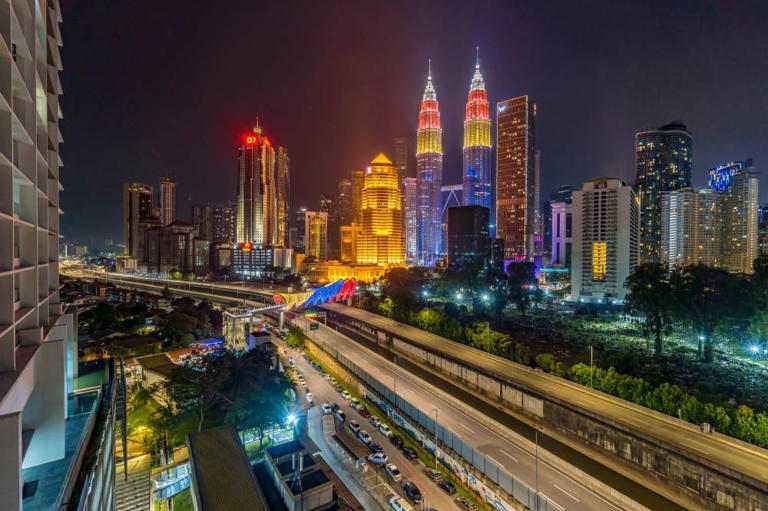
Selecting an Asian convention centre for a global event is a significant strategic decision, as rental costs account for a substantial portion of the overall budget. However, framing this expense merely as a "rental fee" is a profound oversimplification. In reality, the cost is a variable investment in infrastructure, prestige, and operational support, reflective of a venue's location, caliber, and the value it delivers. From the soaring towers of Kuala Lumpur to the bustling hubs of Singapore and Shanghai, the price of accessing Asia's premier stages is dictated by a complex matrix of factors, with centres like the Kuala Lumpur Convention Centre (KLCC) offering a compelling value proposition within this competitive landscape.
The pricing structure for renting an international convention centre in Asia is rarely a simple per-square-meter rate. It is typically a customized quotation built around a "Space Rental" core, which can be calculated by day, by square meter, or as a package for the entire event duration. This base fee grants access to the bare hall, but the true cost—and value—is revealed in the ancillary components.
Key Factors Influencing Cost:
-
Location and City Tier: The city's global status is the primary cost driver. A premier centre in Singapore or Hong Kong commands a premium reflecting its status as an international financial hub, superior connectivity, and perceived prestige. A venue in a major but more cost-competitive city like Kuala Lumpur or Bangkok offers analogous world-class facilities at a notably lower base cost, providing significant value.
-
Scale and Specification of Space: A 5,000 sqm pillar-less hall costs exponentially more than a 500 sqm meeting room. Furthermore, specialized spaces such as tiered auditoriums, grand ballrooms, or outdoor areas have different price points. The technical specification of the space—power load, floor strength, ceiling height—also impacts cost.
-
Event Duration and Timing: Standard rental periods are often based on a 24-hour or 8-hour "event day." Move-in and move-out days are usually charged at a discounted rate. Timing is crucial; peak season (typically aligned with favourable weather and major industry calendars) commands top rates, while concessions can be negotiated during off-peak periods.
-
Included Services and Utilities: The base rental may or may not involve critical utilities. "Shell Scheme" pricing often consists of a bare space with basic lighting and air conditioning. "Full Turnkey" costs include advanced utilities such as heavy power, water, drainage, compressed air, internet trunking, and standard cleaning. These "hidden" infrastructure costs must be budgeted explicitly.
-
Mandatory In-House Services: Most top-tier centres have exclusive or preferred vendor agreements for essential services, with costs passed directly to the client. These can include:
-
Security: Mandatory for all events, priced per guard per shift.
-
Cleaning: Post-event cleaning and daily waste removal.
-
Rigging & Technical Labour: Costs for in-house technicians to handle any overhead rigging, a non-negotiable safety requirement.
-
Catering: Most centres retain exclusive in-house catering rights, with food and beverage (F&B) minimum spends often attached to large hall rentals.
-
The Asian Cost Spectrum: Where KLCC Fits
A broad, illustrative cost spectrum for major Asian centres (pre-negotiation) might look like this, per square meter per day for a standard exhibition hall:
-
Premium Tier (e.g., Singapore, Hong Kong): $25 - $45+ SGD/HKD
-
Mid-Tier / High-Value (e.g., Kuala Lumpur (KLCC), Bangkok, Shanghai): $15 - $28 USD/MYR/THB
-
Budget-Conscious Tier (e.g., Jakarta, Manila, emerging Indian cities): $8 - $18 USD
KLCC positions itself strategically in the mid-to-high-value bracket. Its rental costs are notably more competitive than those in Singapore, while offering a comparable level of integrated service, technological infrastructure, and iconic prestige. The centre’s key financial advantage is its integrated precinct, which can reduce overall event costs. Savings are realized through minimized external transport needs for delegates and easier logistics, offsetting the rental investment.
Negotiation and Value-Adds: Costs are always negotiable, especially for large, recurring, or high-profile events. Concessions can include discounted rental during off-peak periods, waiver of certain service fees, or value-adds like complimentary use of a smaller meeting room or enhanced marketing support. The most critical step is transparent budgeting: request a detailed, line-item quotation from the venue that separates space rental, mandatory services, and optional extras.
Ultimately, the cost of renting an international convention centre in Asia is an investment in the event's success. It purchases more than space; it buys global accessibility, operational reliability, brand enhancement, and a seamless delegate experience. For organizers balancing global ambition with fiscal responsibility, venues like KLCC represent a powerful equilibrium, delivering world-class impact at a point of value that is increasingly defining Asia’s next generation of convention destinations.
5 FAQs on the Cost of Renting an International Convention Centre in Asia
1. What are the most common "hidden costs" beyond the basic hall rental?
Organizers must budget explicitly for mandatory in-house services, which are often the most surprising line items. These typically include:
-
Security personnel (a venue-mandated number per attendee).
-
Rigging labour (for any overhead hanging points - you cannot do this yourself).
-
Post-event cleaning and waste removal (charged by weight or volume).
-
Basic utilities beyond standard lighting/AC (e.g., dedicated power feeds, water, internet backbone connections).
-
Administrative/Service Fees (a percentage surcharge on certain services).
2. How negotiable are the published rates, and what leverage do I have?
Rates are highly negotiable, particularly for large events, long-term bookings, or repeat business. Your leverage increases with:
-
Event Scale: A multi-hall, multi-day event has significant negotiating power.
-
Timing: Booking during the venue's low or shoulder season.
-
Profile: A high-profile event that enhances the venue's own prestige.
-
Spend: Guaranteeing high ancillary spend on catering and other services.
Always negotiate on the total package, not just the square-meter rate.
3. How does the cost of KLCC specifically compare to similar centres in Singapore or Bangkok?
KLCC typically offers a cost position that is 20-35% more affordable than premier Singaporean venues, while being competitive with, or slightly premium to, top Bangkok centres like the new QSNCC. This positions KLCC as a high-value proposition. You are paying for an iconic, fully integrated venue (connected to hotels, mall, park) at a cost closer to a standalone facility elsewhere. The total cost of operation (TCO) for your event at KLCC can be lower when savings on delegate transport and logistics are factored in.
4. Are there significant cost savings for booking during certain times of the year?
Yes. Most Asian centres have peak, shoulder, and low seasons aligned with weather and regional holiday calendars. For Southeast Asia, the peak often coincides with the dry, cooler months (Q4 and Q1). The hotter or monsoon months (e.g., mid-year) can present significant savings. Venues are far more willing to offer discounted rental rates, waived fees, or generous value-add packages during these periods to secure business.
5. Do venues offer "all-inclusive" packages, and are they good value?
Many venues, including KLCC, offer CMP (Complete Meeting Package) rates for smaller conferences or corporate meetings. These bundle space, basic AV, standard F&B (breaks and lunch), and sometimes even internet into a per-person, per-day rate. For straightforward events, these can provide excellent budget predictability and value. For large, complex exhibitions, however, a custom, line-item quote is essential, as a package will not cover specialized needs like heavy power, rigging, or exhibition cleaning. Always compare the package components and cost against an à la carte estimate.
 English
Join our community to interact with posts!